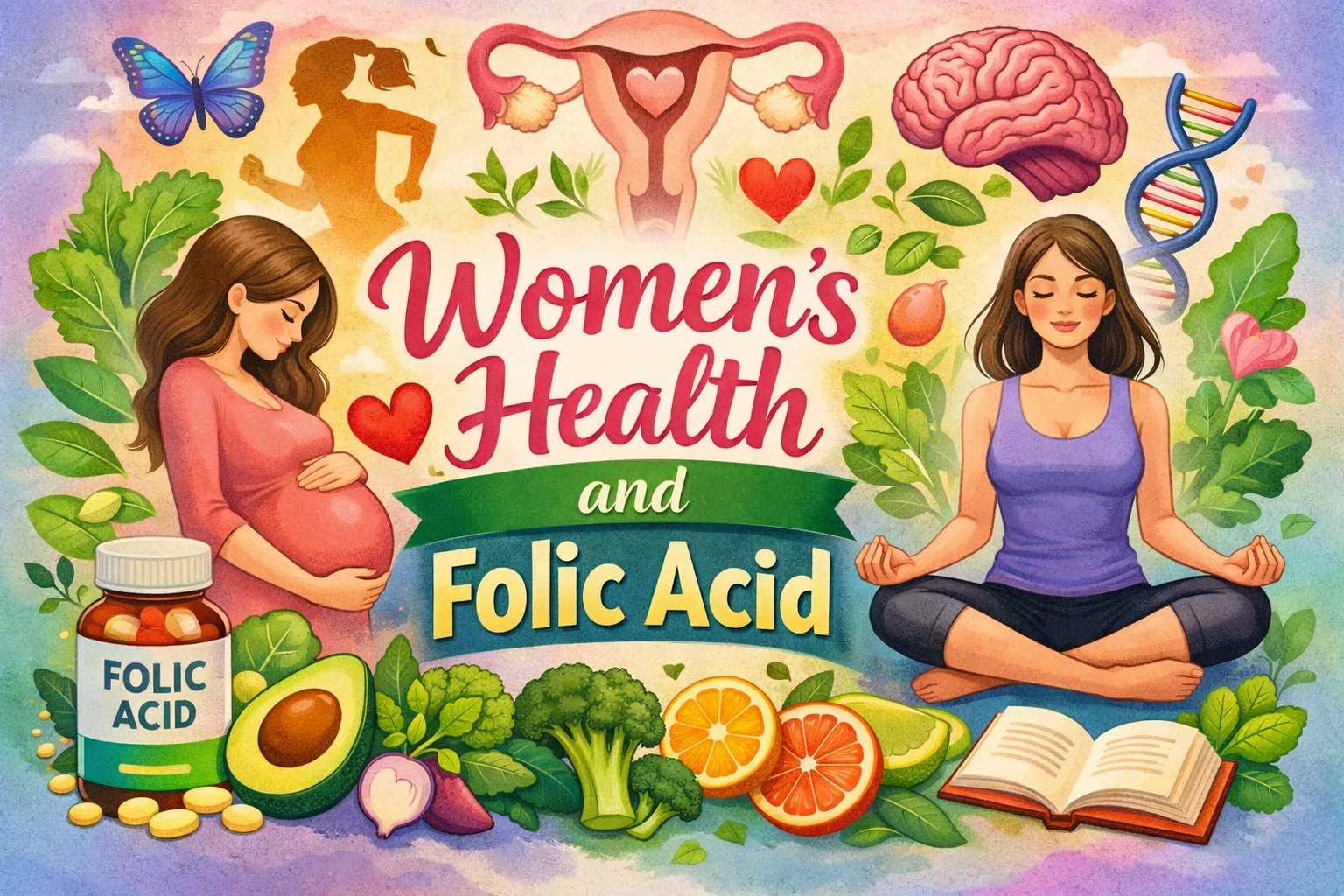
Women’s Health and Folic Acid
Women’s health and folic acid are closely connected, yet many women only hear about folic acid during pregnancy.
In reality, the relationship between women’s health this important nutrient extends far beyond those nine months.
From energy production and red blood cell formation to nervous system balance and cellular repair, folic acid plays a steady, foundational role in overall wellbeing.
If you care about long-term vitality, hormone balance, and resilience, understanding women’s health and folic acid is a smart place to start.
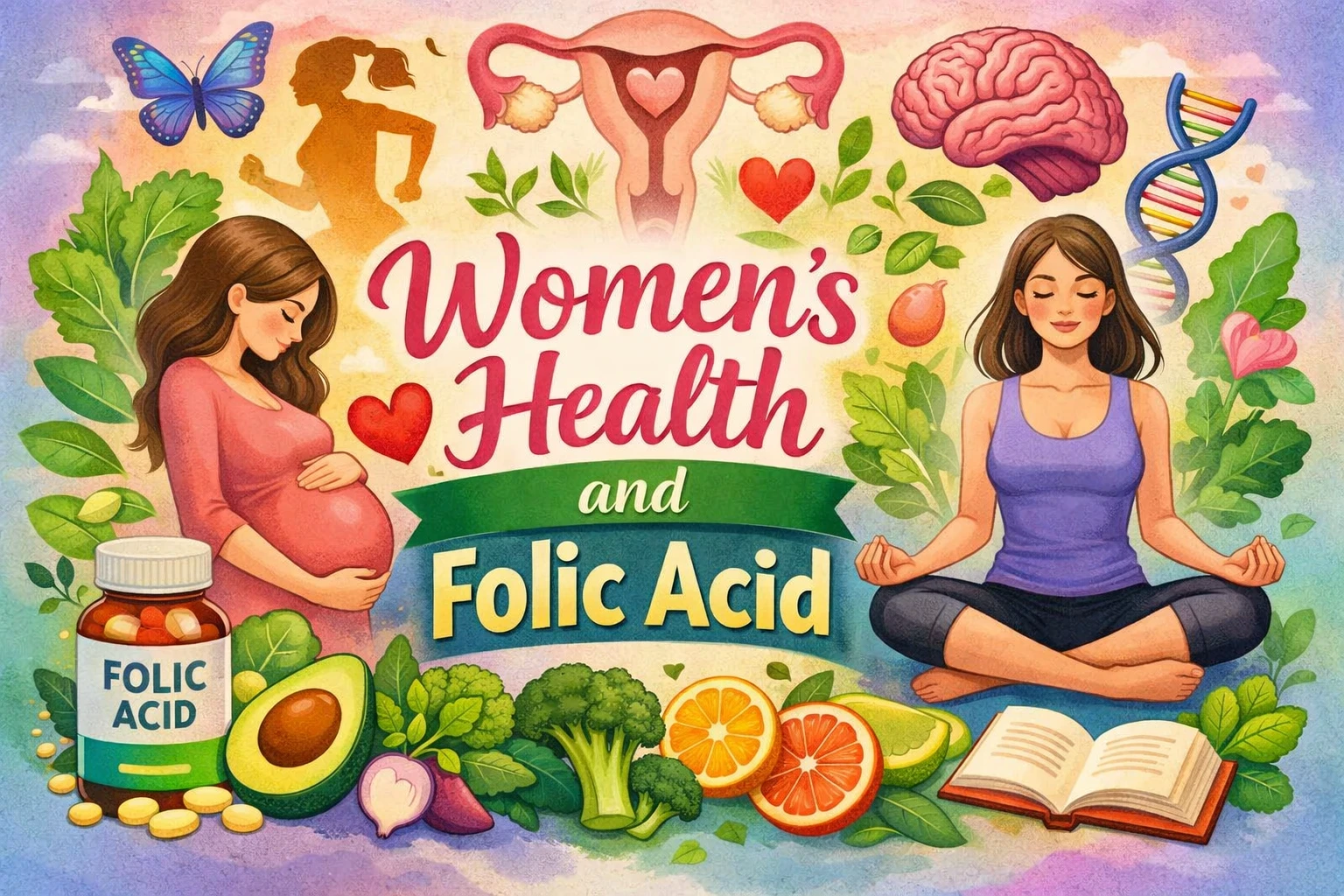
Folic Acid What is it?
Folic acid is the synthetic form of folate, a B-vitamin (vitamin B9) that helps the body create and repair DNA.
It also supports the formation of healthy red blood cells and assists in methylation, a biochemical process involved in detoxification and neurological function.
Because these processes influence everything from mood to immune function, women’s health and folic acid remain interconnected throughout adolescence, reproductive years, and menopause.
Why Women’s Health and Folic Acid Are Linked
Women experience unique hormonal shifts during puberty, menstruation, pregnancy, and menopause.
Each stage increases nutritional demands. Folic acid supports:
• Healthy cell division
• Red blood cell production
• Brain and nerve function
• Cardiovascular health
• Hormonal balance
Without adequate intake, women may experience fatigue, brain fog, low mood, or anemia.
In fact, when exploring root causes of persistent discomfort or fatigue, it’s helpful to look at nutritional foundations alongside factors discussed in what causes chronic joint pain, since systemic inflammation and nutrient gaps often overlap.
Women’s health and this important nutrient are not isolated topics — they’re part of a bigger physiological picture.
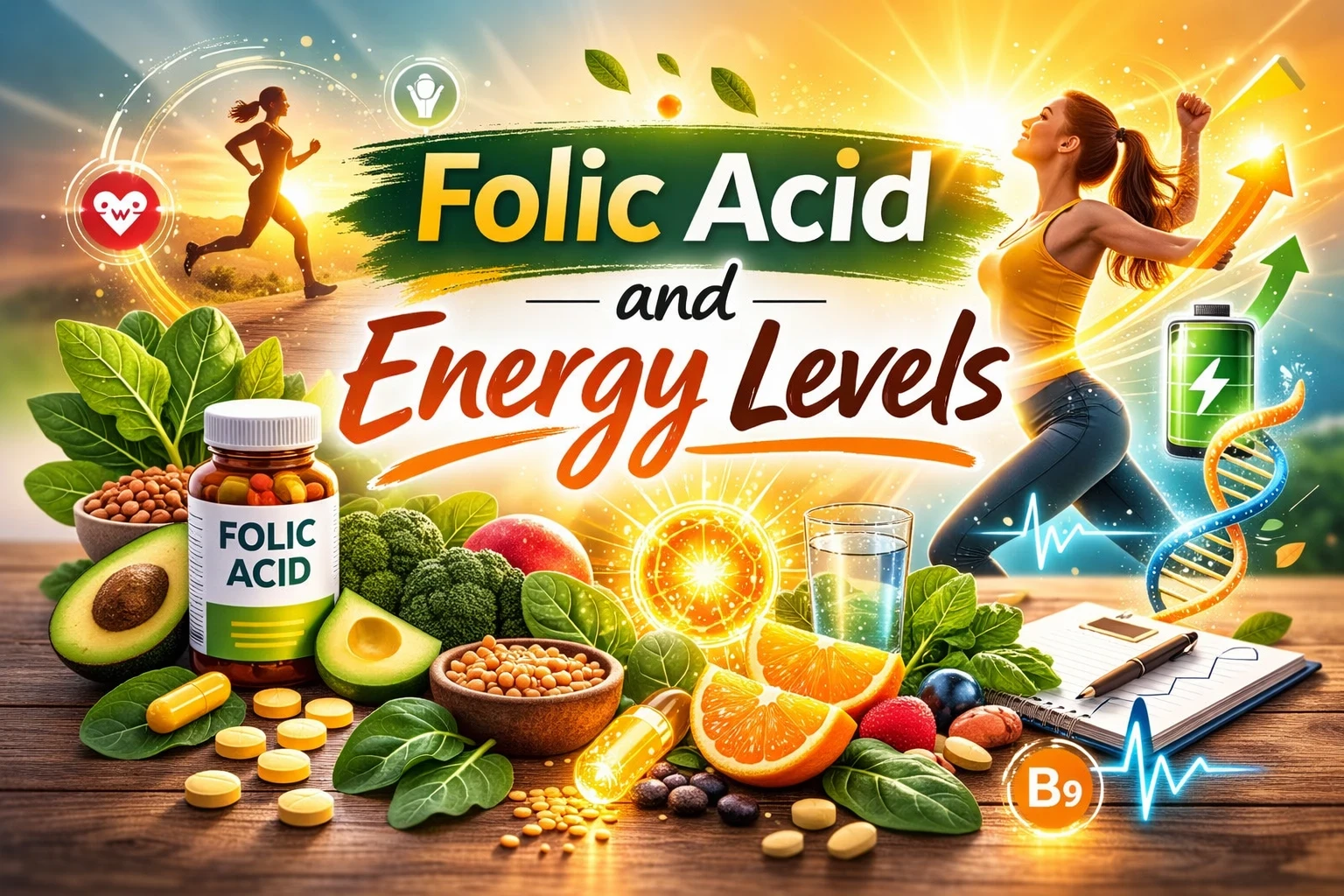
Folic Acid and Energy Levels
One overlooked area where women’s health and folic acid intersect is energy production.
Folate helps convert food into usable energy and supports red blood cell function.
If levels drop, oxygen delivery to tissues can decline, leaving you feeling drained even when sleep seems adequate.
This is particularly relevant for women dealing with chronic fatigue patterns or those trying to improve sleep hygiene.
Foundational strategies like those outlined in sleep hygiene tips practical habits that improve sleep quality work best when nutritional status is also addressed.
The Role of Folic Acid During Pregnancy
The strongest research connecting women’s health and folic acid focuses on pregnancy.
Adequate folic acid intake before and during early pregnancy significantly reduces the risk of neural tube defects in babies.
For this reason, health authorities recommend women of childbearing age consume at least 400 micrograms daily — even if pregnancy is not planned.
Neural tube development happens very early, often before a woman knows she is pregnant.
Women’s health and folic acid therefore intersect not only during pregnancy, but before conception as well.
Mental and Emotional Wellbeing
Folate participates in neurotransmitter production, including serotonin and dopamine.
Low levels have been associated with mood changes and depressive symptoms.
If you’re exploring natural approaches to improve mental clarity and emotional balance, it may be helpful to consider how women’s health and folic acid interact alongside strategies like those discussed in movement load and pain sensitivity, where nervous system regulation plays a key role.
Nutritional support and nervous system regulation often work together rather than separately.
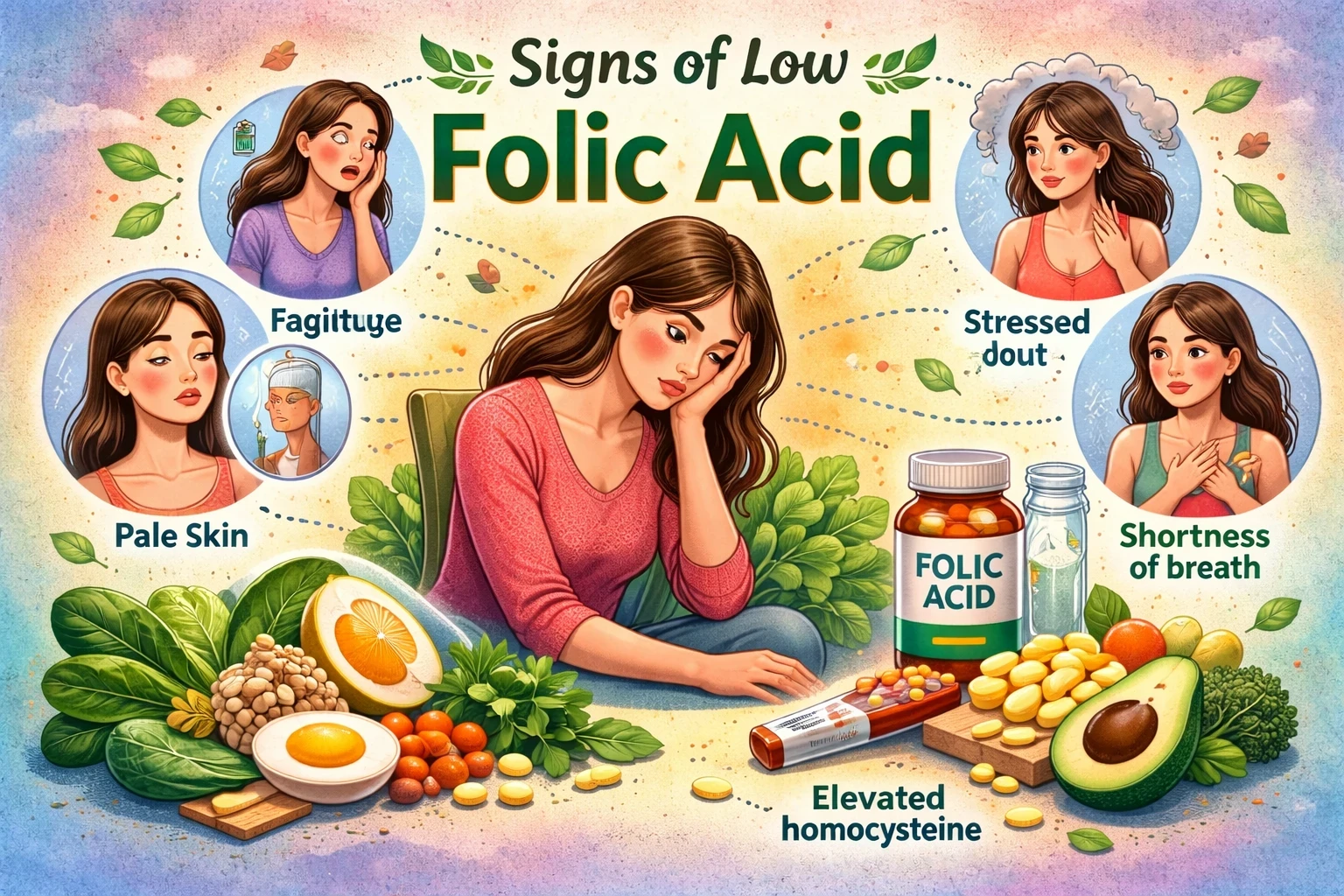
Signs of Low Folic Acid
Because women’s health and folic acid are so closely connected, deficiency symptoms can appear in multiple systems.
These may include:
• Persistent fatigue
• Pale skin
• Shortness of breath
• Brain fog
• Irritability
• Mouth sores
• Elevated homocysteine levels
Some women are at greater risk, including those with digestive disorders, high alcohol intake, certain genetic variations affecting methylation, or restrictive diets.
If symptoms persist, testing and professional guidance are important.
Food Sources That Support Women’s Health and Folic Acid Intake
While supplements are common, food remains a powerful foundation.
Natural folate is found in:
• Dark leafy greens (spinach, kale)
• Lentils and chickpeas
• Asparagus
• Avocados
• Broccoli
• Citrus fruits
Eating a variety of whole foods supports broader nutritional synergy, which benefits women’s health and folic acid metabolism.
However, because natural folate can be sensitive to heat and cooking, some women still require supplementation.

Folic Acid vs. Methylfolate
Not all supplements are the same. Folic acid is the synthetic form, while methylfolate (5-MTHF) is the bioactive form the body uses directly.
Some women — particularly those with MTHFR gene variations — may benefit from methylfolate instead of standard folic acid.
This is another reason why women’s health and folic acid discussions should include personalized considerations rather than one-size-fits-all advice.
How Much Is Enough?
General recommendations for adult women are around 400 micrograms daily, increasing to 600 micrograms during pregnancy and 500 micrograms while breastfeeding.
More is not always better. Extremely high doses over long periods may mask vitamin B12 deficiency.
Balance matters.
When thinking your overall health and folic acid, the goal is adequacy — not excess.
A Balanced Perspective
Folic acid is not a miracle nutrient, but it is foundational.
If your sleep, stress levels, inflammation, or movement patterns are off, correcting folate alone won’t fix everything.
But when nutritional gaps exist, they can quietly undermine other health strategies.
Women’s health and folic acid are part of a layered model of wellbeing — nutrition, movement, nervous system regulation, sleep quality, and emotional balance all interact.
Paying attention to these basics creates a stable platform for long-term resilience.
If you’ve been feeling “off” without a clear explanation, it might be worth reviewing your nutritional status alongside your broader lifestyle habits.
Small corrections often create noticeable shifts over time.
Go to HerbsPro for more on folic acid supplementation.
Women’s health and this important nutrient may seem like a simple pairing — but together, they influence energy, mood, reproductive health, and long-term vitality in ways that are both subtle and powerful.
Scientific Studies:
https://pubmed.ncbi.nlm.nih.gov/18779526/
https://pubmed.ncbi.nlm.nih.gov/23449538/