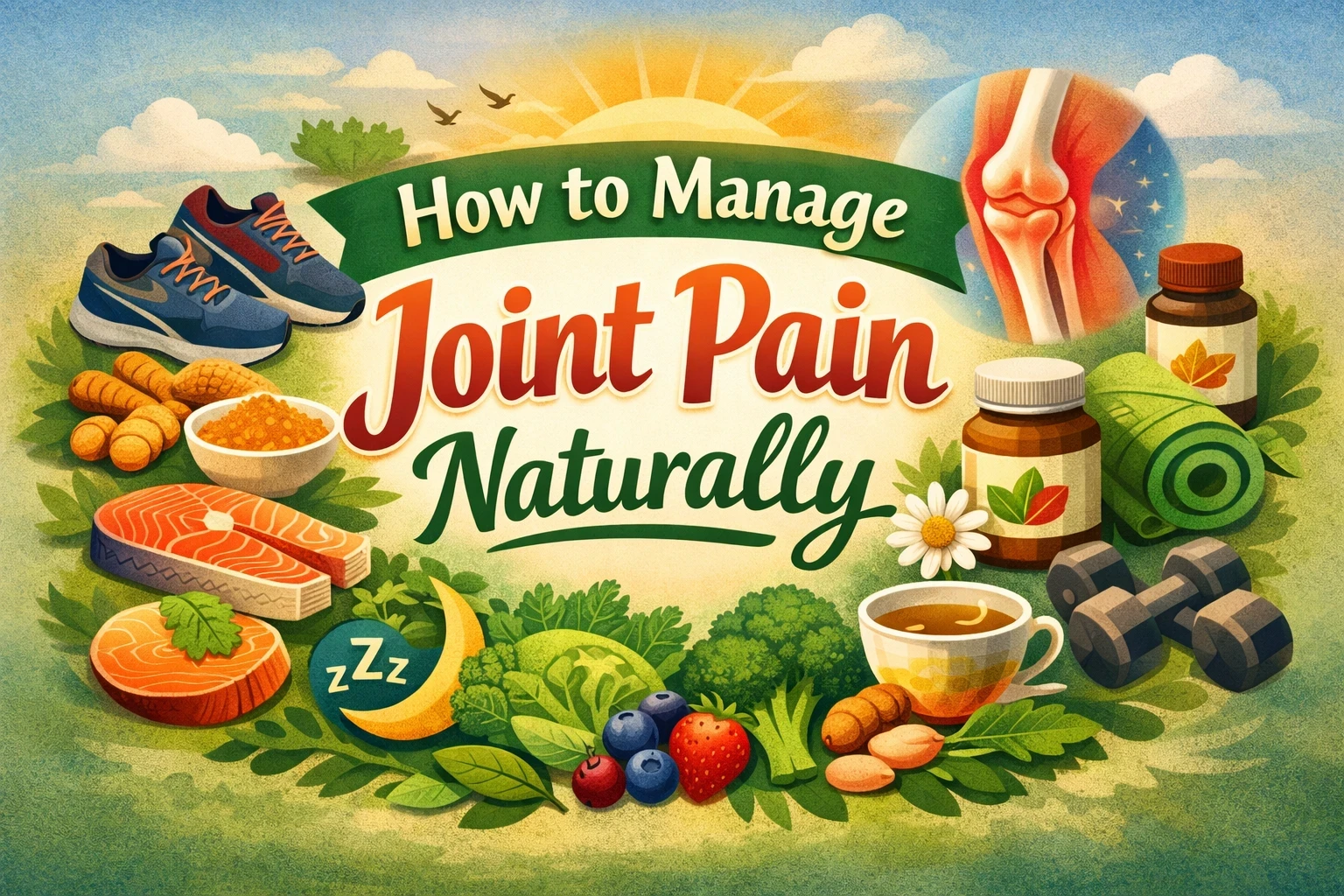
How To Manage Joint Pain Naturally Based on Scientific Research
How to Manage Joint Pain Naturally
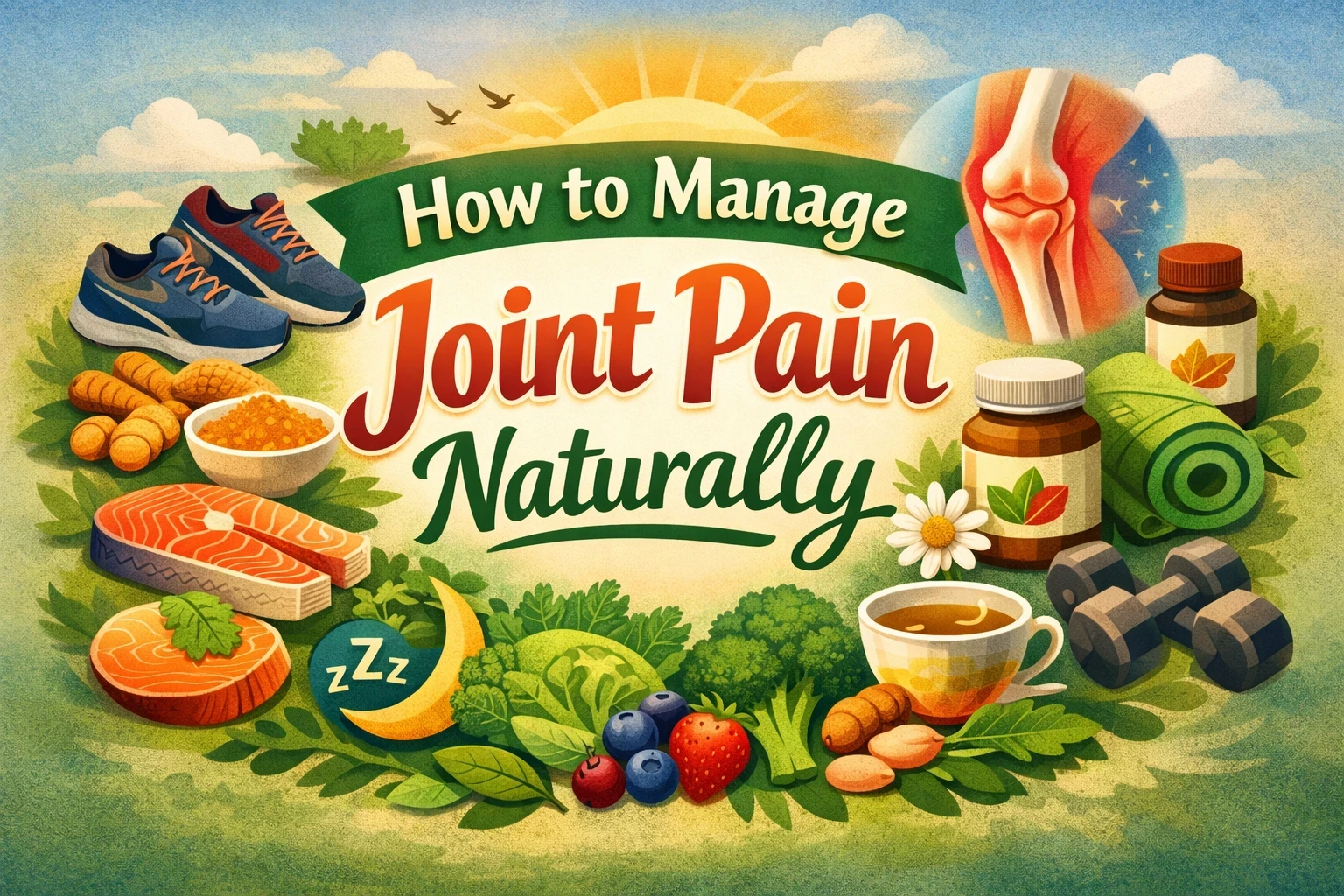
How to manage joint pain naturally is a question many people ask when stiffness, swelling, or aching joints start interfering with daily life.
Whether the discomfort is in your knees, hips, shoulders, or hands, joint pain often reflects a mix of inflammation, movement habits, past injuries, and overall lifestyle stress.
The good news is that there are practical, evidence-informed ways to manage joint pain naturally without relying solely on medication.
Step 1: Understand What Your Joint Pain Is Telling You
Before you decide how to manage joint pain naturally, it helps to understand what might be driving it. Joint discomfort is not always just “wear and tear.”
It can be influenced by nervous system sensitivity, load tolerance, muscle weakness, and even stress levels.
If you haven’t already, it’s worth reading: https://beyond-pain-relief.com/what-causes-chronic-joint-pain/
That article explains how pain can persist even when tissue damage is minimal.
This perspective matters because managing joint pain naturally often involves calming the system, not just “fixing” a joint.
Step 2: Adjust Movement, Don’t Avoid It
One of the biggest mistakes people make when trying to manage joint pain naturally is complete rest.
While short-term rest can help during flare-ups, long-term avoidance usually leads to weaker muscles and stiffer joints.
Instead, focus on graded, tolerable movement:
• Gentle range-of-motion exercises
• Low-impact walking
• Cycling or swimming
• Light strength training
Movement improves circulation, supports cartilage health, and reduces stiffness. The key is finding your “just right” level — enough to stimulate adaptation but not so much that you flare up.
You may find this helpful: https://beyond-pain-relief.com/movement-load-and-pain-sensitivity/
It explains how load and pain sensitivity interact, which is essential when learning how to manage joint pain naturally.

Step 3: Support Inflammation Through Nutrition
Inflammation is often part of the joint pain picture. Managing it naturally involves consistent dietary habits rather than quick fixes.
Helpful strategies include: • Increasing omega-3 fatty acids (fatty fish, flaxseed, walnuts)
• Adding turmeric and ginger regularly
• Reducing ultra-processed foods and added sugars
• Eating colourful vegetables and berries
Magnesium can also play a role in muscle relaxation and nervous system balance.
If you’re exploring that angle, you may find: https://beyond-pain-relief.com/magnesium-for-sleep-improvement/
While it focuses on sleep, magnesium’s broader calming effects can support recovery and tension reduction, which indirectly helps joint comfort.
Learning how to manage joint pain naturally often means looking beyond the joint itself and supporting the whole system.
Step 4: Improve Sleep Quality
Poor sleep increases pain sensitivity. When you’re sleep deprived, your nervous system becomes more reactive, and joint pain can feel worse.
Simple sleep upgrades:
• Keep consistent sleep and wake times
• Limit screens 60–90 minutes before bed
• Keep your bedroom cool and dark
• Reduce late caffeine
Better sleep enhances tissue repair and reduces inflammatory markers. Managing joint pain naturally is much harder without restorative sleep.
Step 5: Use Supportive Tools Thoughtfully
Natural management does not mean doing nothing. Supportive tools can reduce load and irritation while your system calms down.
Options include: • Compression sleeves
• Knee or wrist supports
• Heat packs for stiffness
• Cold packs for swelling
These tools should complement movement, not replace it.
When used strategically, they can make it easier to stay active — which is central to how to manage joint pain naturally long term.
Compression sleeves available here on The Wright Stuff
Step 6: Address Stress and Nervous System Tension
Chronic stress increases muscle tension and amplifies pain perception.
Breathing practices, mindfulness, and simple down-regulation strategies can lower overall sensitivity.
Try:
• Slow nasal breathing (4–6 breaths per minute)
• Short daily mindfulness sessions
• Gentle stretching before bed
If nerve sensitivity is part of your joint discomfort, this may also be relevant: https://beyond-pain-relief.com/why-nerve-pain-ooccurs/
Understanding how nerves amplify signals can shift how you approach recovery.
Step 7: Maintain a Healthy Body Weight
Excess body weight increases load on weight-bearing joints like the knees and hips.
Even modest weight reduction can significantly reduce joint stress.
However, weight management should be approached sustainably — through improved food quality, consistent movement, and realistic expectations. Quick crash diets tend to increase stress, which works against joint comfort.
Step 8: Consider Evidence-Based Supplements
Some people exploring how to manage joint pain naturally consider supplements such as: • Omega-3 fatty acids
• Curcumin (turmeric extract)
• Magnesium
• Collagen peptides
These are not magic solutions, but in certain cases they may support inflammatory balance or tissue recovery.
Check out natural supplements for joint pain here.
Always review medications and consult a professional if needed.
External research: https://pubmed.ncbi.nlm.nih.gov/25255727/
https://pubmed.ncbi.nlm.nih.gov/19594223/
A Realistic Perspective
Learning how to manage joint pain naturally is rarely about one single intervention. It’s about layering consistent habits:
• Smart movement
• Anti-inflammatory nutrition
• Quality sleep
• Stress reduction
• Supportive tools when needed
Joint pain often improves gradually rather than overnight. The body responds to steady input over time. Small daily changes compound into meaningful improvements.
If you’re dealing with persistent discomfort, think long term. The goal isn’t to eliminate every sensation instantly. The goal is to build resilience, reduce sensitivity, and improve function.
That’s what managing joint pain naturally really looks like in practice.