Can Damaged Nerves Heal? Understanding Nerve Pain And Recovery
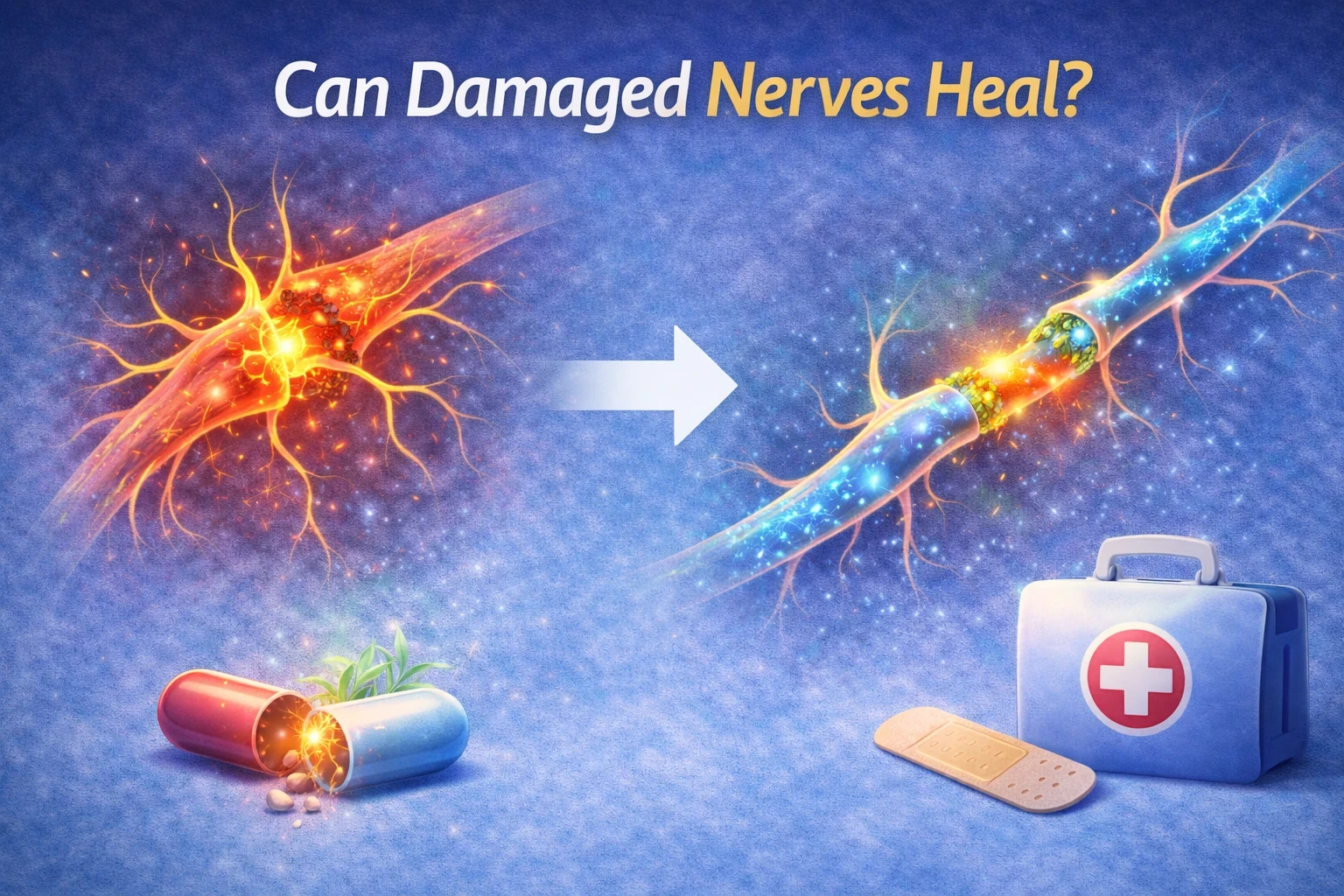
Can Damaged Nerves Heal?
Can damaged nerves heal is a question many people ask when they experience symptoms such as burning pain, tingling, numbness, or electric shock sensations.
These symptoms often indicate that a nerve has become irritated, compressed, or injured.
Because nerves are responsible for transmitting signals between the brain and the body, damage to these structures can significantly affect sensation, movement, and overall comfort.
The good news is that nerves do have the ability to repair themselves in some situations.
However, nerve recovery can be slow and depends on several factors, including the type of injury, the severity of the damage, and the overall health of the nervous system.
Understanding how nerve pain develops is an important starting point. The guide on why nerve pain occurs explains how inflammation, compression, and nerve irritation can lead to nerve pain symptoms.
How Nerves Work
To understand whether damaged nerves can heal, it helps to understand how nerves function.
Nerves act like communication cables within the body. They carry electrical signals between the brain, spinal cord, muscles, and organs.
These signals allow us to feel sensations such as temperature, pressure, and pain.
Each nerve fiber is protected by a specialized covering called the myelin sheath.
This protective layer helps electrical signals travel quickly and efficiently along the nerve.
When nerves become damaged, these signals may become disrupted.
As a result, the brain may interpret abnormal signals as pain, tingling, or numbness.
The article on understanding pain mechanisms explains how the nervous system processes these signals and why nerve pain can persist even after tissues appear healed.
Types of Nerve Damage
Not all nerve injuries are the same. The potential for recovery depends largely on the type and severity of the damage.
Mild Nerve Irritation
When a nerve becomes mildly irritated or compressed, recovery is often possible once the pressure on the nerve is relieved.
Examples include temporary nerve compression caused by poor posture or inflammation.
Moderate Nerve Injury
Moderate nerve injuries may involve damage to the protective myelin sheath surrounding the nerve.
In these cases, the nerve may recover gradually as the protective layer regenerates.
Severe Nerve Damage
Severe nerve injuries occur when the nerve fiber itself is significantly damaged or severed.
In these situations, recovery may be slower and sometimes incomplete.
How Nerves Heal
When nerve tissue becomes damaged, the body may attempt to repair the affected area.
Peripheral nerves (nerves outside the brain and spinal cord) have a greater ability to regenerate than nerves within the central nervous system.
Nerve healing often occurs slowly, sometimes at a rate of approximately one millimeter per day.
During this process, the body rebuilds the structures that allow nerve signals to travel properly.
Understanding the brain’s role in interpreting pain signals is explained further in the article on pain education and how pain works in the human body.
Learning about these processes can help people understand why nerve pain sometimes persists during recovery.
Factors That Influence Nerve Healing
Several factors may influence whether damaged nerves can heal.
Cause of the Injury
If nerve compression or inflammation is relieved, recovery may occur more quickly.
Overall Health
Conditions such as diabetes, vitamin deficiencies, or chronic inflammation may slow nerve repair.
Age
Younger individuals may recover more quickly because their tissues often regenerate more efficiently.
Early Treatment
Addressing nerve compression or irritation early may improve recovery outcomes.
These factors often guide treatment decisions when managing nerve pain treatment strategies.
Strategies That May Support Nerve Recovery
While nerve healing takes time, several strategies may support the recovery process.
Gentle Movement
Movement helps maintain circulation and mobility in tissues surrounding nerves.
Gentle exercise may also help reduce stiffness and improve nerve function.
Nutrition
Certain nutrients support nerve repair.
Examples include:
• vitamin B12
• omega-3 fatty acids
• magnesium
• antioxidants
These nutrients help support the health of nerve cells and surrounding tissues.
HerbsPro have the Best Quality Assured Nutrition for Nerve Pain. Go here.
Reducing Inflammation
Inflammation around nerves may worsen nerve pain.
Lifestyle strategies such as balanced nutrition, stress management, and adequate sleep may help reduce inflammation.
Physical Therapy
Physical therapy may help relieve pressure on nerves and restore healthy movement patterns.
Exercises that improve posture and strengthen supporting muscles may reduce nerve compression.
When Nerve Pain Persists
In some cases, nerve pain may persist even after the original injury has healed.
This can occur when the nervous system becomes overly sensitive.
When pain signals repeatedly travel through the nervous system, the brain may become more responsive to these signals.
This phenomenon is sometimes referred to as central sensitization.
Understanding how the brain processes pain signals can help people adopt strategies that calm the nervous system and reduce pain sensitivity.
When to Seek Medical Advice
Medical evaluation is recommended if nerve pain is accompanied by:
• persistent numbness
• muscle weakness
• loss of coordination
• worsening pain
• bowel or bladder problems
These symptoms may indicate significant nerve damage that requires professional care.
Early diagnosis can help prevent further nerve injury.
A Balanced Perspective on Nerve Healing
So, can damaged nerves heal? In many cases, the answer is yes. Nerves have the ability to regenerate and recover, especially when the underlying cause of irritation is addressed.
However, nerve healing often occurs slowly and may require a combination of approaches.
Combining movement, proper nutrition, medical guidance, and pain education often produces the best outcomes for managing nerve pain and supporting nerve recovery.
Understanding the biological mechanisms behind nerve pain can help people make informed decisions about their health and recovery strategies.
Scientific Studies
https://pubmed.ncbi.nlm.nih.gov/20345238/
https://pubmed.ncbi.nlm.nih.gov/24789306/
https://pubmed.ncbi.nlm.nih.gov/30888504/