Foot Pain Causes and Treatments: A Clear Guide to Lasting Relief
Foot pain causes and treatments are something many people search for when daily movement becomes uncomfortable. Whether it starts suddenly or builds over time, understanding what is behind your discomfort is the first step toward real relief.
Your feet carry your entire body weight, absorb impact, and help you stay active. When something goes wrong, even simple tasks can feel difficult. The good news is that most cases improve with the right approach, especially when you match the cause with the correct treatment.
Common Foot Pain Causes and Treatments Explained
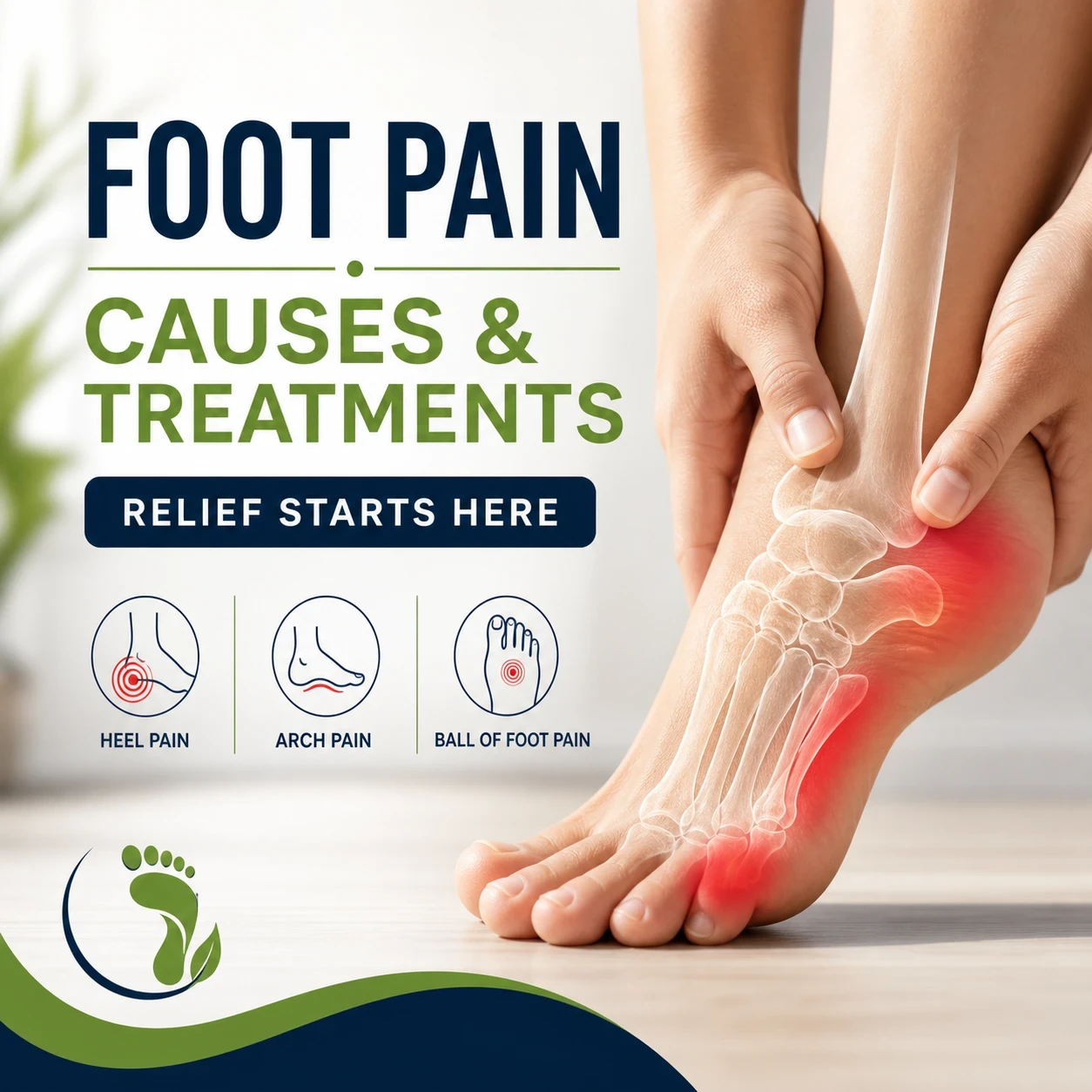
There is no single reason for foot discomfort. In fact, most cases come from a mix of stress, movement patterns, and underlying conditions.
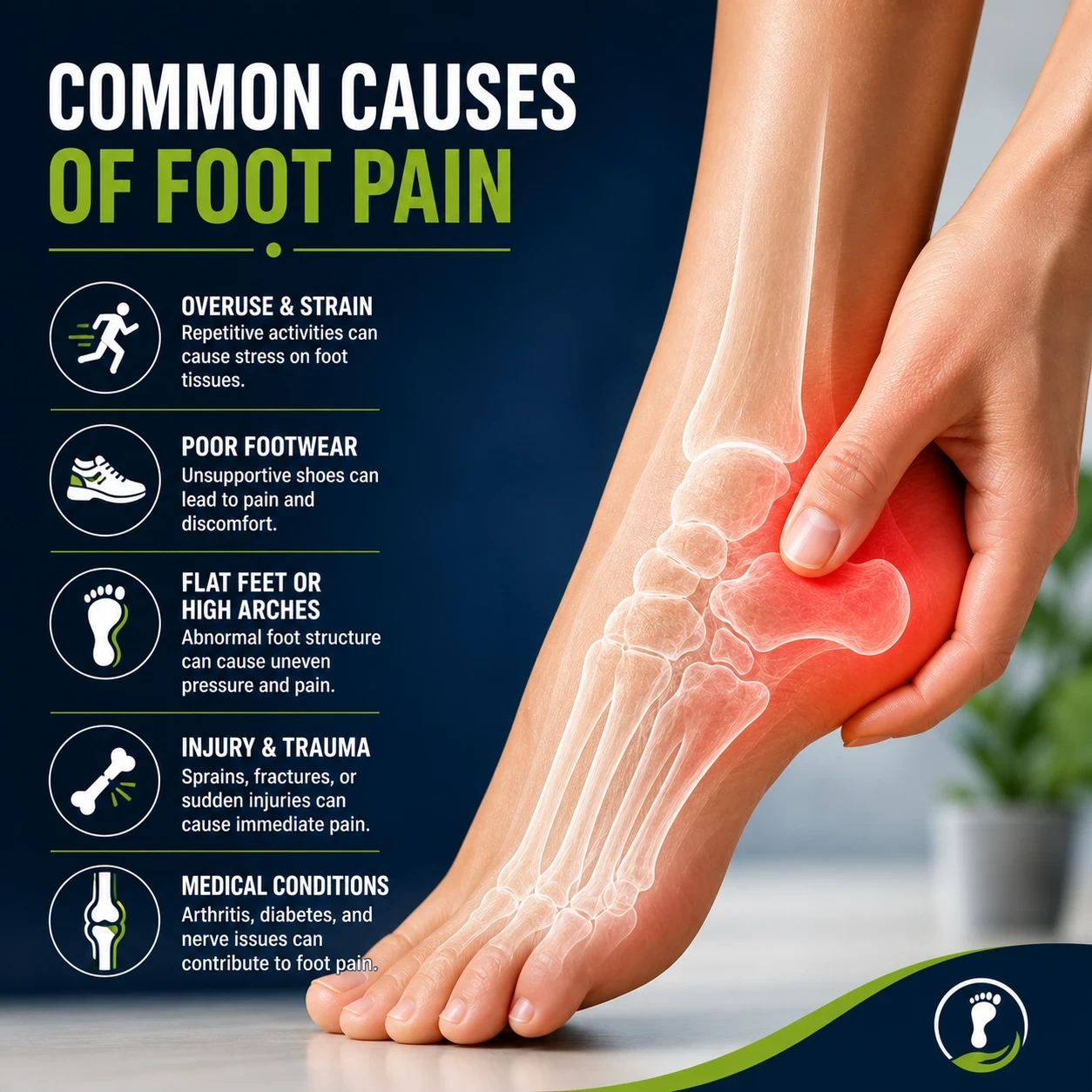
One of the most frequent causes is overuse. Long periods of standing, walking, or running can irritate soft tissues. This often leads to soreness in the heel, arch, or ball of the foot.
Another common issue is poor footwear. Shoes that lack support or cushioning can place extra strain on ligaments and joints. Over time, this may lead to conditions like plantar fasciitis or general arch pain.
In addition, injuries such as sprains or small tears can trigger sharp or lingering pain. Even minor strains, if ignored, can become ongoing problems.
Medical conditions also play a role. Arthritis, nerve irritation, and circulation issues can all contribute to persistent symptoms. That is why identifying foot pain causes and treatments early is so important.
Read more on foot pain remedies.
Plantar Fasciitis: A Leading Cause of Heel Pain
Plantar fasciitis is one of the most well-known foot conditions. It affects the thick band of tissue that runs along the bottom of your foot.
People often notice a sharp pain in the heel, especially first thing in the morning. This happens because the tissue tightens overnight and becomes irritated when you step down.
Treatment usually involves rest, stretching, and supportive footwear. Gradual loading of the foot is also important, rather than complete inactivity.
If you want a deeper understanding of how movement affects pain, you can explore this guide on movement, load, and pain sensitivity.
Flat Feet and High Arches
Your foot structure can strongly influence how pressure is distributed. Flat feet may cause the arch to collapse, while high arches can increase pressure on the heel and forefoot.
Both patterns can lead to discomfort if not supported properly. Over time, this may affect the ankles, knees, and even the lower back.
Supportive insoles, strengthening exercises, and better footwear choices can make a noticeable difference. These adjustments help spread load more evenly across the foot.
Nerve Pain and Circulation Issues
Sometimes foot pain is not purely mechanical. Burning, tingling, or numb sensations may point to nerve involvement.
Conditions like nerve compression or irritation can cause symptoms that feel different from muscle or joint pain. Circulation problems can also reduce oxygen supply to tissues, leading to discomfort.
If symptoms feel unusual or persistent, it is worth understanding how nerve-related issues behave. This article on nerve pain relief explains it in simple terms.

Effective Foot Pain Treatments That Actually Work
When it comes to foot pain causes and treatments, the goal is not just to mask symptoms but to support recovery.
Rest is often the first step. Reducing excessive strain gives irritated tissues a chance to settle. However, complete rest for too long can slow recovery, so balance is key.
Stretching and mobility work are highly effective. Gentle calf stretches and foot exercises can reduce tension and improve movement.
Strengthening is just as important. Stronger muscles help support the foot and reduce pressure on sensitive areas.
Footwear changes can have a huge impact. Shoes with proper support and cushioning can immediately reduce stress on painful areas.
For many people, combining these approaches leads to steady improvement.
Heat, Cold, and Recovery Strategies
Simple recovery methods can make a big difference when used correctly.
Cold therapy is helpful for reducing inflammation, especially after activity. It can calm irritated tissues and reduce swelling.
Heat therapy, on the other hand, helps relax muscles and improve circulation. This can be useful for stiffness or chronic discomfort.
Go Here to find out more.
Using both approaches at the right time can support recovery without overcomplicating things.
Joint pain massage oils can help. Go here.
Daily Ways to Reduce Foot Pain
1. Rest and Load Management
One of the most overlooked ways to reduce discomfort is simply lowering strain. Avoid long periods of standing or walking when pain flares up. Short rest periods allow tissues to recover and reduce inflammation.
2. Heat Therapy for Stiffness
Heat improves circulation and relaxes tight muscles in the foot. Using heat regularly is one of the easiest ways to ease stiffness and ongoing discomfort.
For deeper relief, you can explore targeted infrared options like this infrared foot therapy device, designed to deliver consistent warmth directly to painful areas.
3. Gentle Stretching
Stretching the plantar fascia and calf muscles helps reduce tension. Simple exercises done daily are highly effective, especially for heel pain.
4. Supportive Footwear
Shoes with proper arch support and cushioning are essential. Many foot issues worsen because of flat or worn-out footwear. Switching to supportive options is one of the most reliable long-term solutions.
For a broader look at managing ongoing discomfort, this guide on chronic pain treatment options provides helpful context.
When to Take Foot Pain Seriously
Most cases of foot discomfort improve with simple changes. However, some signs should not be ignored.
Persistent swelling, severe pain, or difficulty putting weight on your foot may indicate a more serious issue. Likewise, symptoms that worsen over time instead of improving should be checked.
Early action often prevents small problems from becoming long-term conditions.

Daily Habits That Support Long-Term Foot Health
Prevention plays a big role in managing foot pain causes and treatments. Small daily habits can reduce the risk of recurring issues.
Wearing supportive shoes is one of the simplest and most effective steps. Avoiding prolonged standing without breaks also helps.
Regular movement keeps tissues healthy. Gentle walking, stretching, and strengthening exercises all contribute to better foot function.
Listening to your body is just as important. Pain is often a signal that something needs to change, not something to ignore.
Frequently Asked Questions
What is the most common cause of foot pain?
Plantar fasciitis is one of the most common causes, especially for heel pain. However, overuse and poor footwear are also major factors.
How long does foot pain take to heal?
This depends on the cause. Mild cases may improve within days, while more persistent conditions can take weeks with proper care.
Can foot pain go away on its own?
Some cases do improve naturally, especially if caused by temporary strain. However, ongoing pain usually needs targeted treatment.
Are exercises helpful for foot pain?
Yes, gentle stretching and strengthening exercises are often one of the most effective long-term solutions.
Balanced Perspective on Foot Pain Causes and Treatments
Foot pain causes and treatments vary widely, which is why a one-size-fits-all approach rarely works. What helps one person may not suit another.
Simple strategies like better footwear, movement, and gradual strengthening often provide the best results. At the same time, more persistent symptoms may need a deeper approach.
Understanding your body, adjusting your habits, and staying consistent usually leads to the most reliable improvement.
Scientific Study
https://pubmed.ncbi.nlm.nih.gov/19468961/