Can CBD Help With Back Pain?
Can CBD help with back pain.?
Back pain is one of the most common reasons people struggle with movement, sleep, and daily comfort.
Some people experience occasional stiffness, while others deal with ongoing discomfort that affects work, exercise, and overall quality of life.
As more people look beyond traditional pain relief options, interest in CBD for back pain continues to grow.
Many people ask whether CBD can actually help with back pain or whether it is simply another wellness trend.
The answer is more balanced than many headlines suggest. CBD may help some people manage inflammation, muscle tension, and pain sensitivity, but results can vary depending on the type of back pain involved.
Understanding back pain is important before choosing any treatment approach. Pain linked to muscle strain may respond differently than pain connected to irritated nerves, inflammation, or long-term sensitivity in the nervous system.
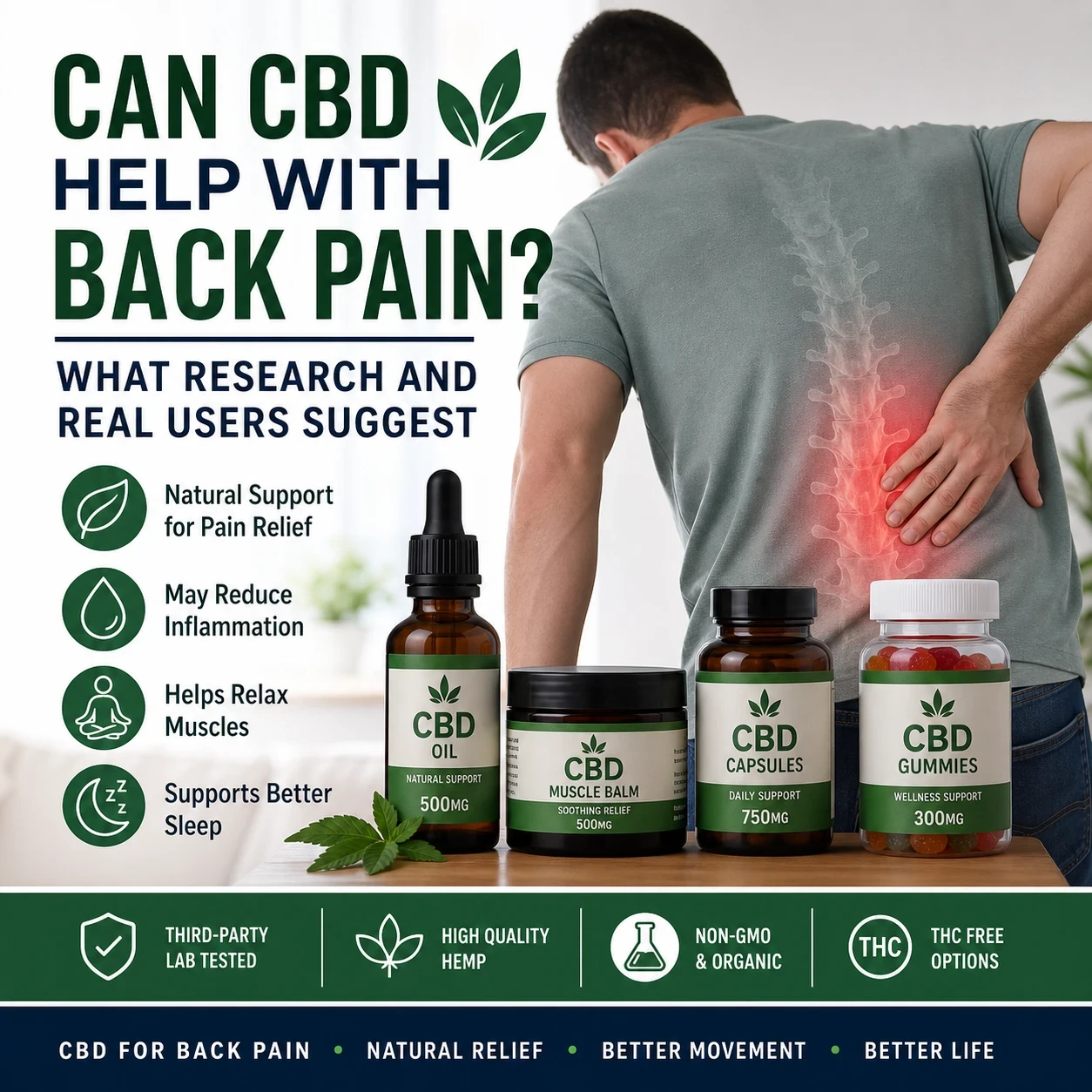
What Is CBD?
CBD, short for cannabidiol, is a natural compound found in hemp plants. Unlike THC, CBD does not create a “high.” Instead, researchers believe it may influence pain signaling, inflammation, stress responses, and sleep regulation.
CBD products are now available in several forms including oils, capsules, gummies, creams, balms, and topical roll-ons. Many people use CBD alongside other strategies such as stretching, movement, heat therapy, massage, and posture correction.
People exploring chronic pain management often turn to CBD because they want a more gradual and supportive approach rather than relying entirely on stronger short-term solutions.
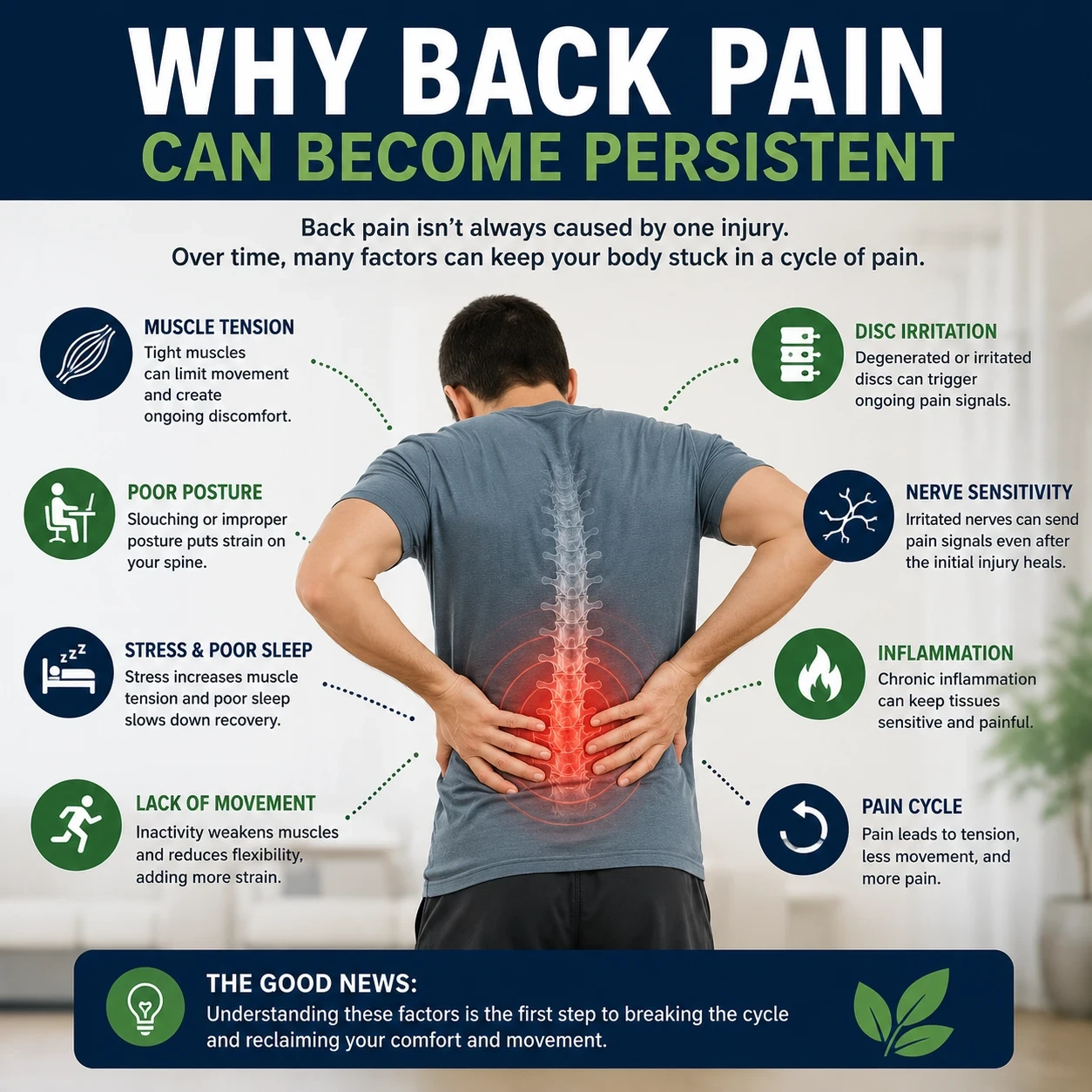
Why Back Pain Can Become Persistent
Back pain is not always caused by one injury. In many cases, the body becomes more sensitive over time. Muscles tighten, movement decreases, stress increases, and the nervous system may stay in a protective state.
Common causes of back pain include:
- Muscle strain
- Poor posture
- Disc irritation
- Nerve compression
- Inflammation
- Reduced mobility
- Stress-related muscle tension
- Long periods of sitting
People living with nerve pain sometimes notice burning, tingling, sharp pain, or pain that travels into the legs. In these situations, reducing nervous system irritation may become just as important as reducing inflammation.
How CBD May Help With Back Pain
Researchers are still studying exactly how CBD works, but early evidence suggests it may affect receptors linked to inflammation, pain perception, and stress responses.
Some people report that CBD helps them:
- Relax tight muscles
- Sleep more comfortably
- Reduce stress-related tension
- Manage flare-ups more calmly
- Support recovery after activity
- Improve overall comfort levels
CBD may not “cure” back pain, but some users feel it helps reduce the intensity or frequency of symptoms enough to stay more active and consistent with healthy movement.
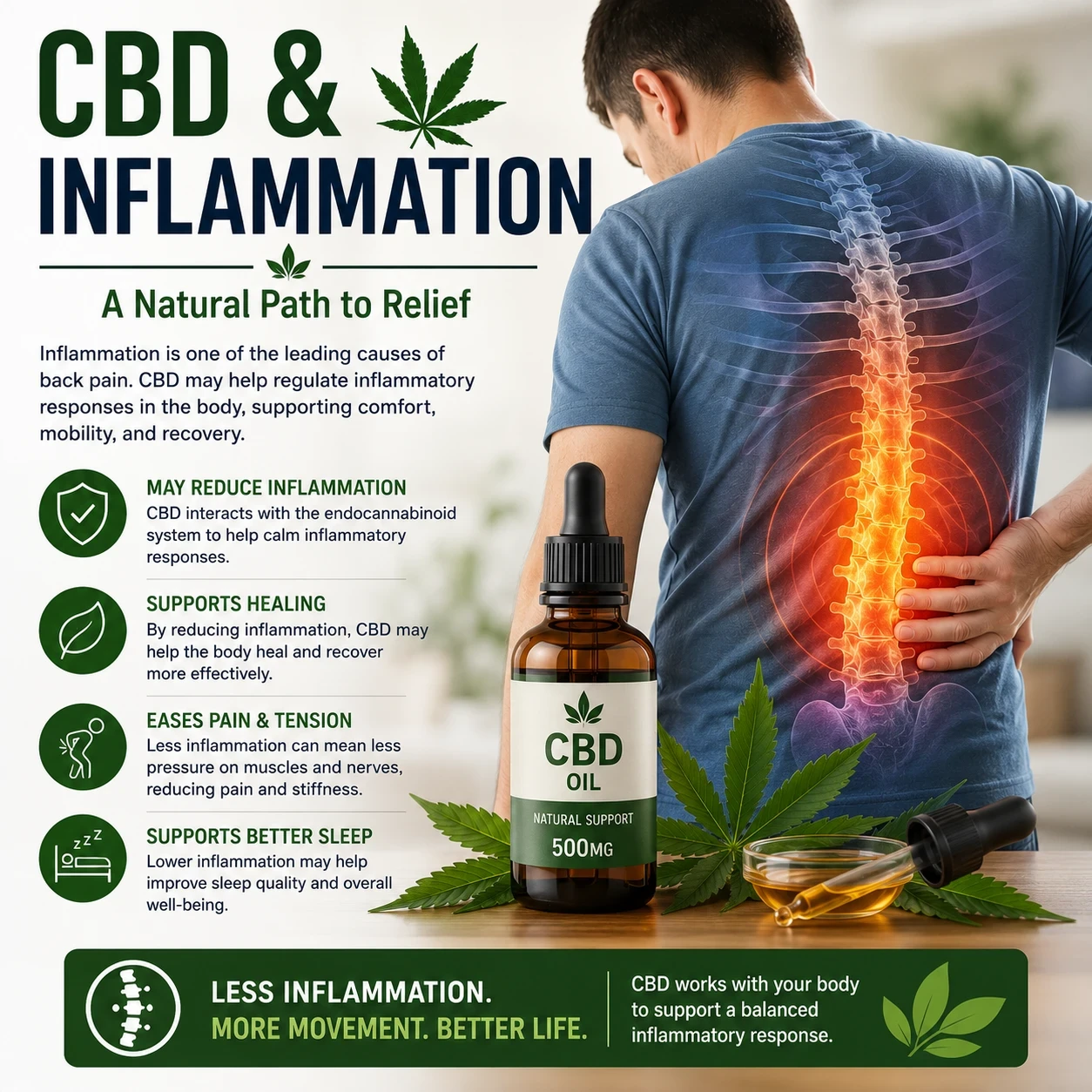
CBD and Inflammation
Inflammation is often linked to ongoing back pain, especially after injury or repeated strain. Some research suggests CBD may influence inflammatory responses in the body.
When inflammation settles, people may notice:
- Less stiffness
- Improved movement
- Reduced muscle guarding
- Better recovery after physical activity
This is one reason CBD is commonly combined with heat therapy, stretching, walking programs, and mobility exercises.
Can CBD Help With Lower Back Pain?
Lower back pain is one of the most searched forms of back pain online. This area experiences significant pressure during lifting, sitting, twisting, and repetitive movement.
Some people use CBD oils or topicals before bed because lower back pain often feels worse at night. Others apply CBD creams after exercise or long work shifts.
CBD may be most useful when lower back pain involves:
- Muscle tightness
- Inflammation
- Stress-related tension
- Poor sleep from discomfort
- Recovery after activity
However, severe pain, numbness, weakness, or loss of bladder or bowel control should always be assessed by a medical professional.
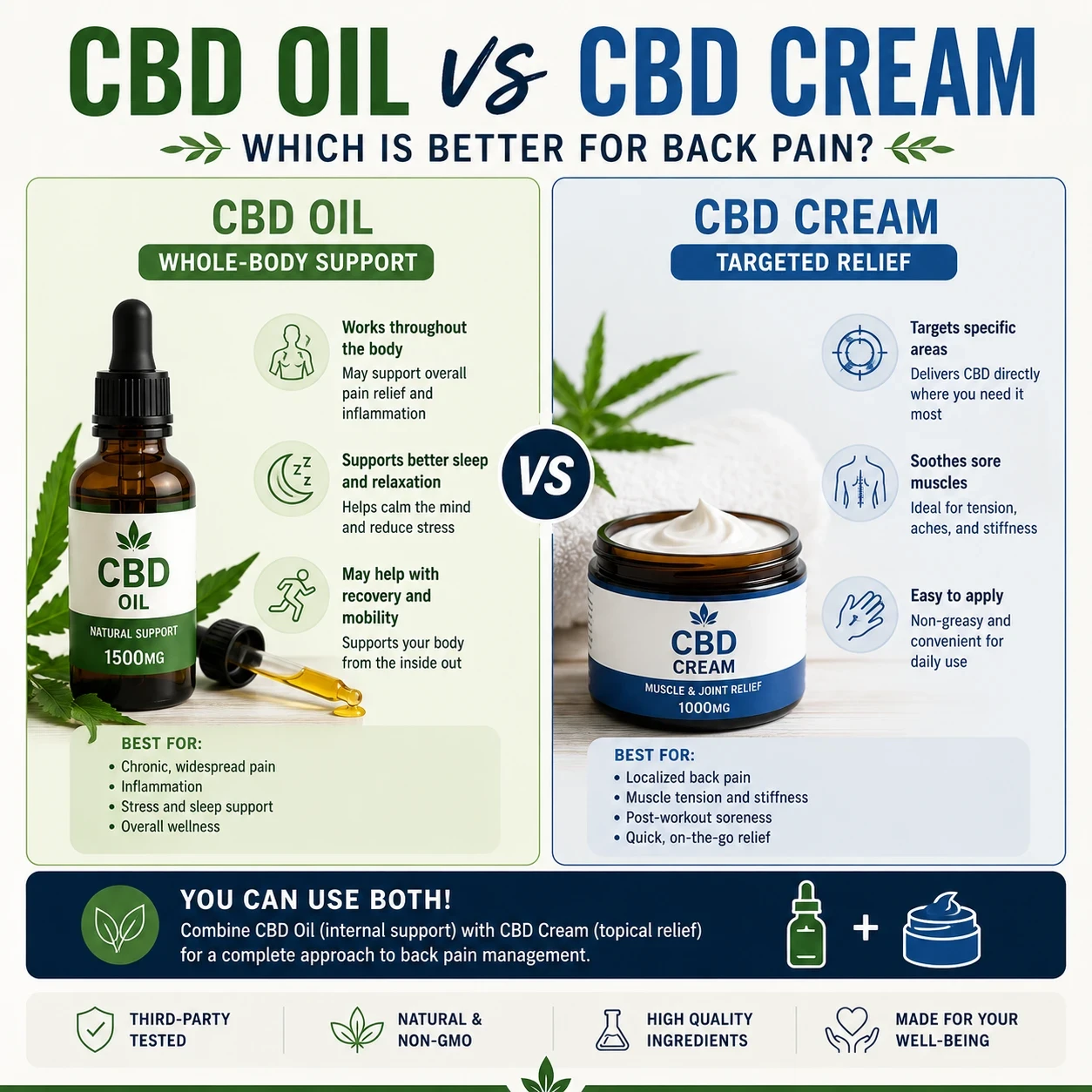
CBD Oil vs CBD Cream for Back Pain
Different CBD products work in different ways.
CBD Oil
CBD oil is usually placed under the tongue for faster absorption. Many people prefer oils because dosage adjustments are easier.
CBD oil may support:
- Whole-body relaxation
- Sleep support
- Stress reduction
- General pain management
CBD Creams and Balms
CBD topicals are applied directly to the painful area. These products are popular for muscle tension and localized discomfort.
Some people combine both approaches by using a topical during the day and CBD oil at night.
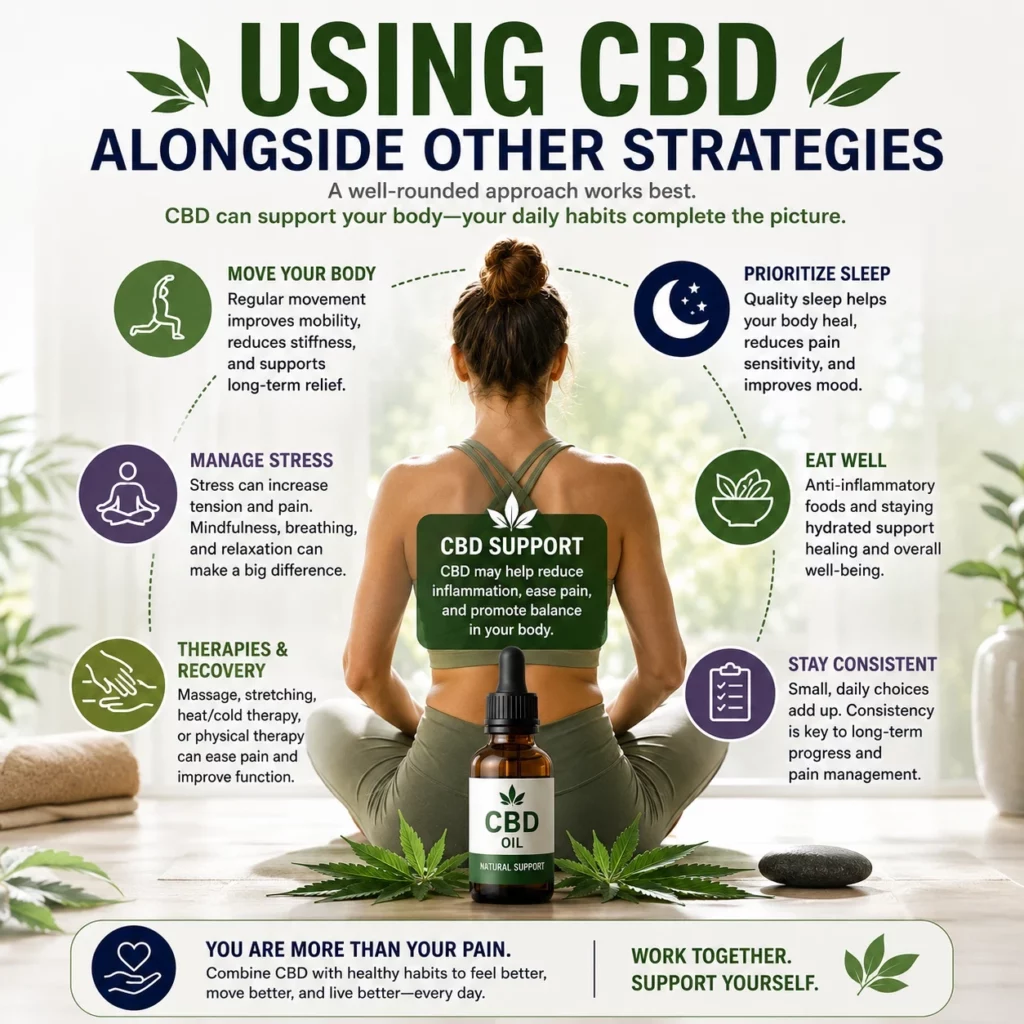
Using CBD Alongside Other Back Pain Strategies
CBD often works best as part of a broader approach rather than a standalone solution.
Helpful combinations may include:
- Walking regularly
- Gentle stretching
- Improving posture
- Better sleep habits
- Heat therapy
- TENS therapy
- Stress management
- Strengthening exercises
Many people with back pain become trapped in a cycle of fear, tension, and reduced movement. Gradually restoring confidence in movement is often one of the most important parts of recovery.
Heat Therapy and CBD for Back Pain
Heat therapy is commonly used to relax muscles and improve circulation around painful areas. Some people combine CBD with heating pads or infrared heat products to create a more calming recovery routine.
Heat may help:
- Reduce stiffness
- Relax tight muscles
- Improve mobility
- Prepare the body for stretching
CBD and heat therapy are often used together because they target different aspects of discomfort.
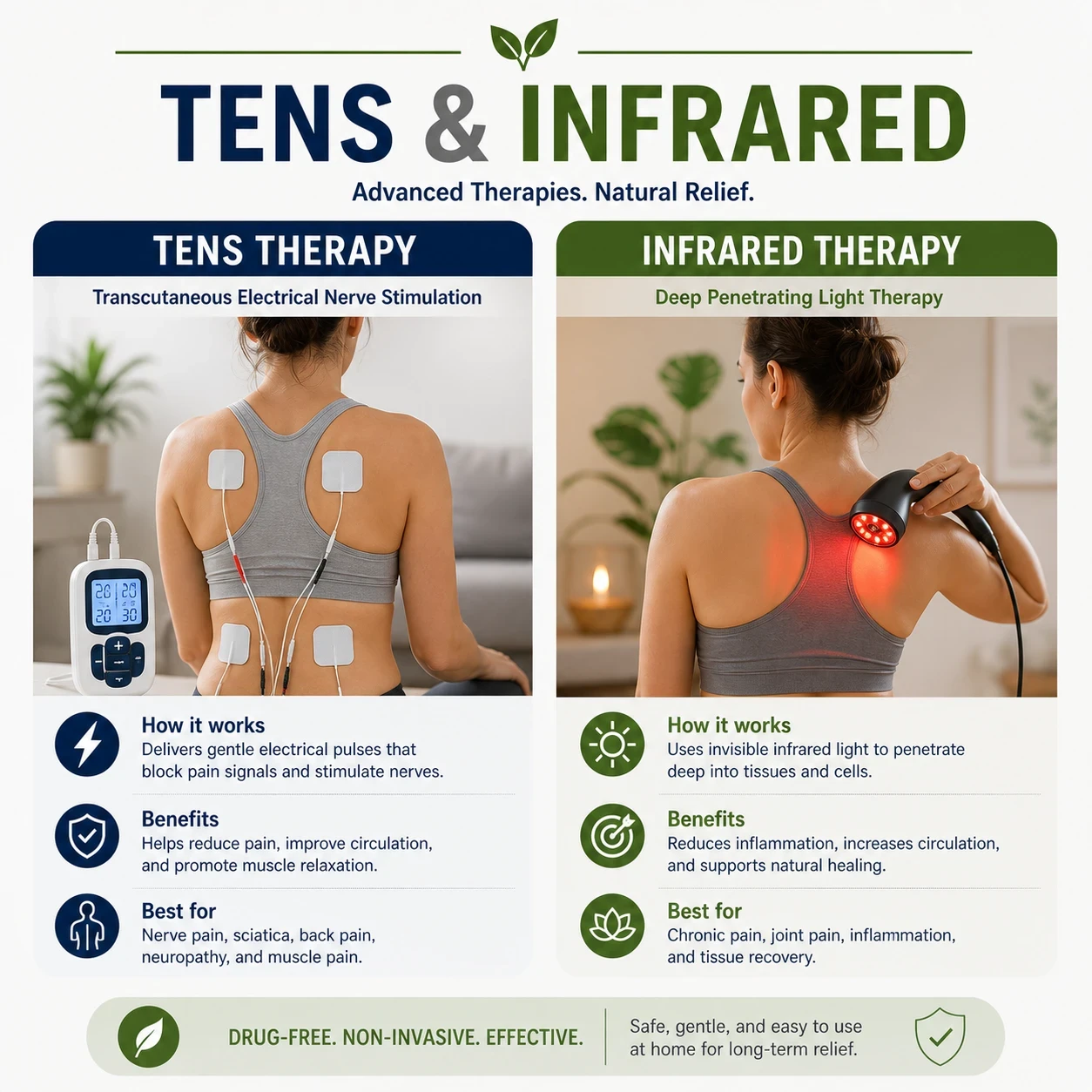
TENS Therapy and CBD
TENS therapy uses gentle electrical stimulation to influence pain signals. Some people find that combining TENS therapy with CBD helps them stay more active during flare-ups.
The goal is not simply masking pain but helping the body feel safe enough to move more normally again.
Choosing a High-Quality CBD Product
Not all CBD products are equal. Quality matters greatly when choosing CBD for back pain.
Look for products that provide:
- Third-party testing
- Clear ingredient lists
- Transparent CBD strength
- Reliable customer reviews
- Minimal unnecessary additives
Some people prefer full-spectrum CBD, while others choose broad-spectrum or CBD isolate depending on personal preference and sensitivity.
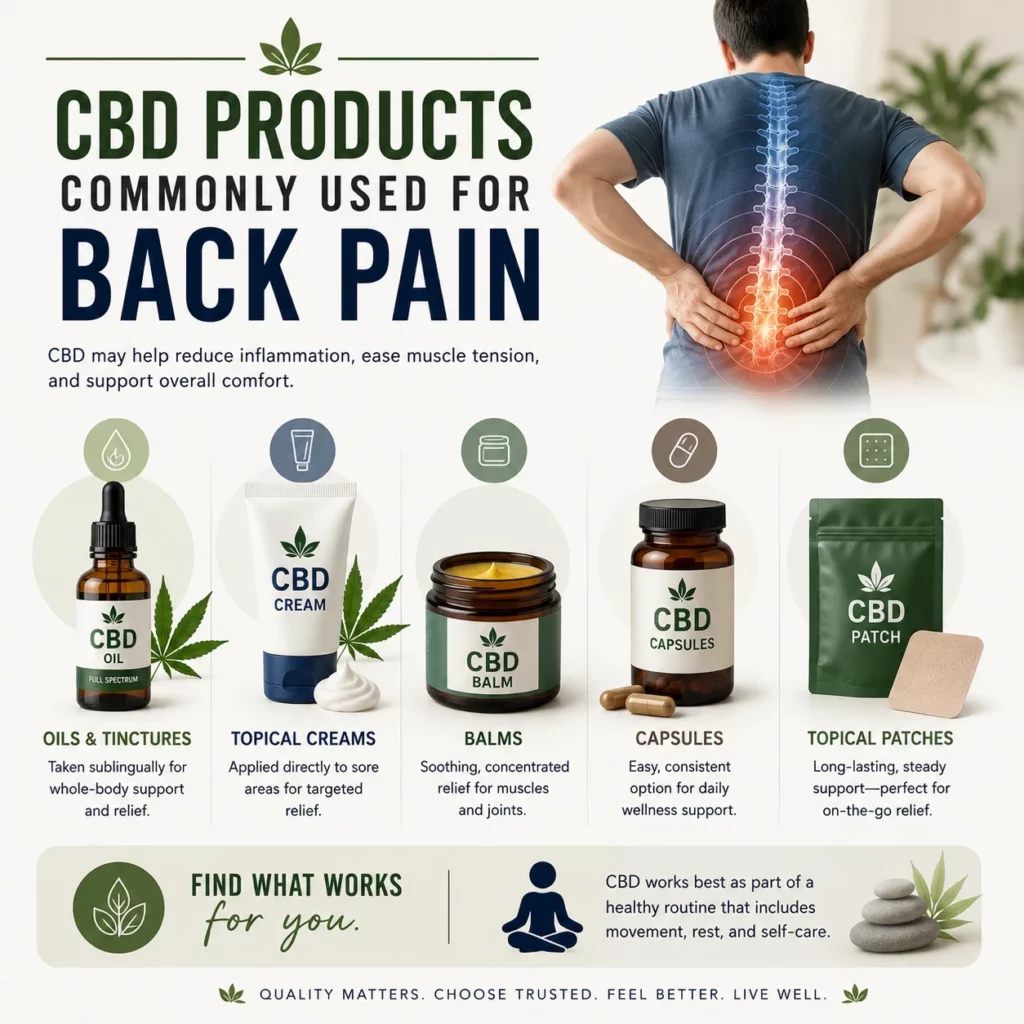
CBD Products Commonly Used for Back Pain
Many people explore CBD oils, muscle balms, and recovery products as part of a broader back pain management routine. Choosing high-quality products with clear ingredients and third-party testing can make a significant difference.
Explore CBD oils for back pain support
Browse supportive pain relief products
Explore natural recovery solutions for back pain
Shop additional back pain support products
Many people combine CBD with heat therapy, stretching, walking, and posture improvements to create a more complete recovery approach. Small daily improvements in movement and sleep quality can often build into better long-term back pain management.
What Research Currently Suggests
Research into CBD and pain management is still developing. Early studies suggest CBD may influence pain pathways, inflammation, and sleep quality, but more large-scale human studies are needed.
Current evidence appears most promising when CBD is used as part of a broader lifestyle and recovery approach rather than as a single standalone treatment.
Many experts now recognize that long-term back pain often involves the nervous system, stress responses, movement habits, and inflammation all interacting together.
Possible Side Effects of CBD
CBD is generally considered well tolerated, but some people may experience side effects.
Possible side effects include:
- Drowsiness
- Dry mouth
- Digestive upset
- Changes in appetite
- Interaction with certain medications
Anyone taking medication or managing a health condition should speak with a healthcare professional before using CBD regularly.
Can CBD Completely Eliminate Back Pain?
CBD is unlikely to completely eliminate back pain on its own. However, many people report that it helps reduce the intensity of symptoms enough to improve sleep, movement, and daily comfort.
Small improvements often build over time. Better sleep can improve recovery. Reduced tension can support movement. Improved movement can help reduce stiffness and fear around activity.
This gradual process is often more realistic than expecting one product to solve every aspect of back pain immediately.
When to Seek Professional Help
Back pain should always be professionally assessed if symptoms include:
- Severe weakness
- Numbness
- Loss of coordination
- Fever
- Pain after major trauma
- Loss of bladder or bowel control
- Pain that continues worsening
Persistent back pain often improves most when physical, emotional, and lifestyle factors are addressed together.
Frequently Asked Questions
Can CBD help with chronic back pain?
Some people report that CBD helps reduce discomfort, improve sleep, and ease muscle tension linked to chronic back pain. Results vary between individuals.
What type of CBD is best for back pain?
CBD oils and topical creams are the most commonly used options for back pain. Oils may support whole-body relaxation, while creams target localized discomfort.
How long does CBD take to work for back pain?
Some people notice effects within an hour, while others may need more consistent use over several days or weeks.
Can CBD replace exercise or physical therapy?
No. CBD is usually most effective when combined with movement, stretching, posture improvement, and other healthy recovery strategies.
Is CBD legal?
CBD laws vary depending on location, so it is important to check local regulations before purchasing products.
Final Thoughts
CBD may help some people manage back pain by supporting relaxation, improving sleep, reducing inflammation, and easing muscle tension. While research is still developing, many users now include CBD as part of a broader recovery approach that also includes movement, heat therapy, stress reduction, and lifestyle changes.
Back pain rarely has one simple cause or one instant solution. Consistency, movement, and finding supportive tools that work for your body often matter more than chasing quick fixes.
https://pubmed.ncbi.nlm.nih.gov/33571787/
https://www.ncbi.nlm.nih.gov/books/NBK425767/