Raised ALP in Pregnancy:
Raised ALP in pregnancy is a common laboratory finding during routine antenatal blood testing. ALP, or alkaline phosphatase, is an enzyme produced mainly by the liver, bones, intestines, and the placenta.
Because pregnancy introduces major physiological changes, enzyme levels in the bloodstream can shift.
In many cases, raised ALP in pregnancy reflects normal biological changes rather than disease.
The placenta produces its own form of alkaline phosphatase, and this production increases as pregnancy progresses.
However, doctors still evaluate abnormal blood results carefully.
Understanding the possible causes of increased ALP can help expectant mothers feel reassured while remaining aware of situations that may require medical attention.

What Is Alkaline Phosphatase?
Alkaline phosphatase is an enzyme involved in important metabolic processes, especially those related to bone growth and liver function.
It helps regulate cellular activity and supports the breakdown of certain proteins.
Small amounts of ALP circulate in the bloodstream naturally. Higher levels may appear when specific organs produce more of the enzyme.
ALP mainly originates from:
Liver cells
Bone-forming cells
The placenta
Intestinal tissue
Kidney tissue
Because several organs release ALP, doctors usually interpret this enzyme together with other blood markers.
Readers who want a deeper understanding of how the body interprets biological signals may find it helpful to explore understanding pain mechanisms, which explains how different systems communicate inside the body.
Why Raised ALP in Pregnancy Happens
The most common explanation for raised ALP in pregnancy is placental enzyme production.
The placenta produces a specific form of alkaline phosphatase that gradually enters the maternal bloodstream.
As pregnancy progresses, particularly in the third trimester, this placental enzyme can significantly increase ALP levels.
Several natural processes contribute to this rise.
Placental Development
The placenta plays a vital role in supplying oxygen and nutrients to the developing baby.
As the placenta grows and becomes more metabolically active, it produces more ALP.
This is considered a normal biological adaptation.
Increased Bone Turnover
Pregnancy also influences calcium metabolism.
Because the baby requires calcium for bone development, the mother’s body adjusts bone remodeling activity.
Bone cells release alkaline phosphatase during this process, which can slightly increase circulating levels.
Hormonal Changes
Hormones such as estrogen and progesterone influence liver metabolism and overall biochemical activity.
These hormonal changes may contribute to mild enzyme fluctuations during pregnancy.
Typical ALP Levels During Pregnancy
Laboratory reference ranges vary slightly, but raised ALP in pregnancy is expected during later stages of gestation.
Typical patterns include:
First trimester: Mild increase
Second trimester: Moderate rise
Third trimester: Levels may reach two to four times normal non-pregnant ranges
These increases are usually harmless when other liver enzymes remain within normal limits.
Doctors typically evaluate ALT, AST, bilirubin, and bile acids to confirm whether the increase is pregnancy-related.
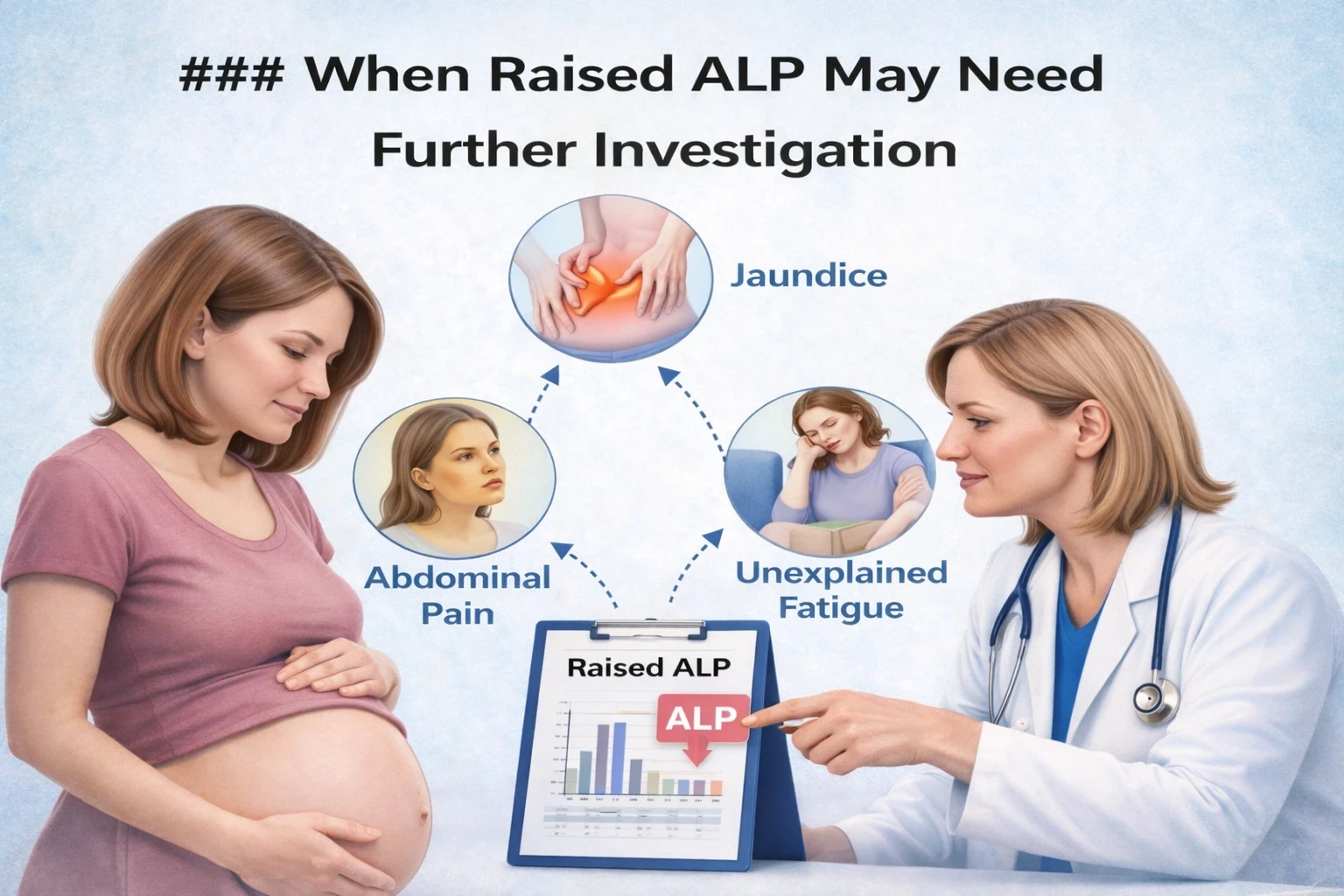
When Raised ALP May Need Further Investigation
Although raised ALP in pregnancy is often normal, doctors may investigate further if levels are unusually high or if symptoms appear.
Possible medical causes include:
Liver Conditions
Pregnancy can occasionally affect bile flow or liver function.
One example is intrahepatic cholestasis of pregnancy, which may cause itching and abnormal bile acid levels.
Gallbladder Problems
Gallstones and gallbladder inflammation can also influence liver-related blood markers.
Bone Disorders
Because bone cells produce alkaline phosphatase, certain bone conditions can elevate ALP. These causes are uncommon but may be considered if blood patterns are unusual.
For readers interested in how biological signals influence symptoms throughout the body, how pain signals are generated provides useful context.
Symptoms That May Require Medical Review
Many women with raised ALP in pregnancy have no symptoms at all. The elevated enzyme is often discovered during routine antenatal testing.
However, certain symptoms should be discussed with a healthcare professional.
These include:
persistent itching
yellowing of the skin or eyes
upper abdominal discomfort
nausea or fatigue
unusually dark urine
pale-colored stools
These symptoms do not necessarily mean a serious condition is present, but they can help doctors determine whether additional tests are required.
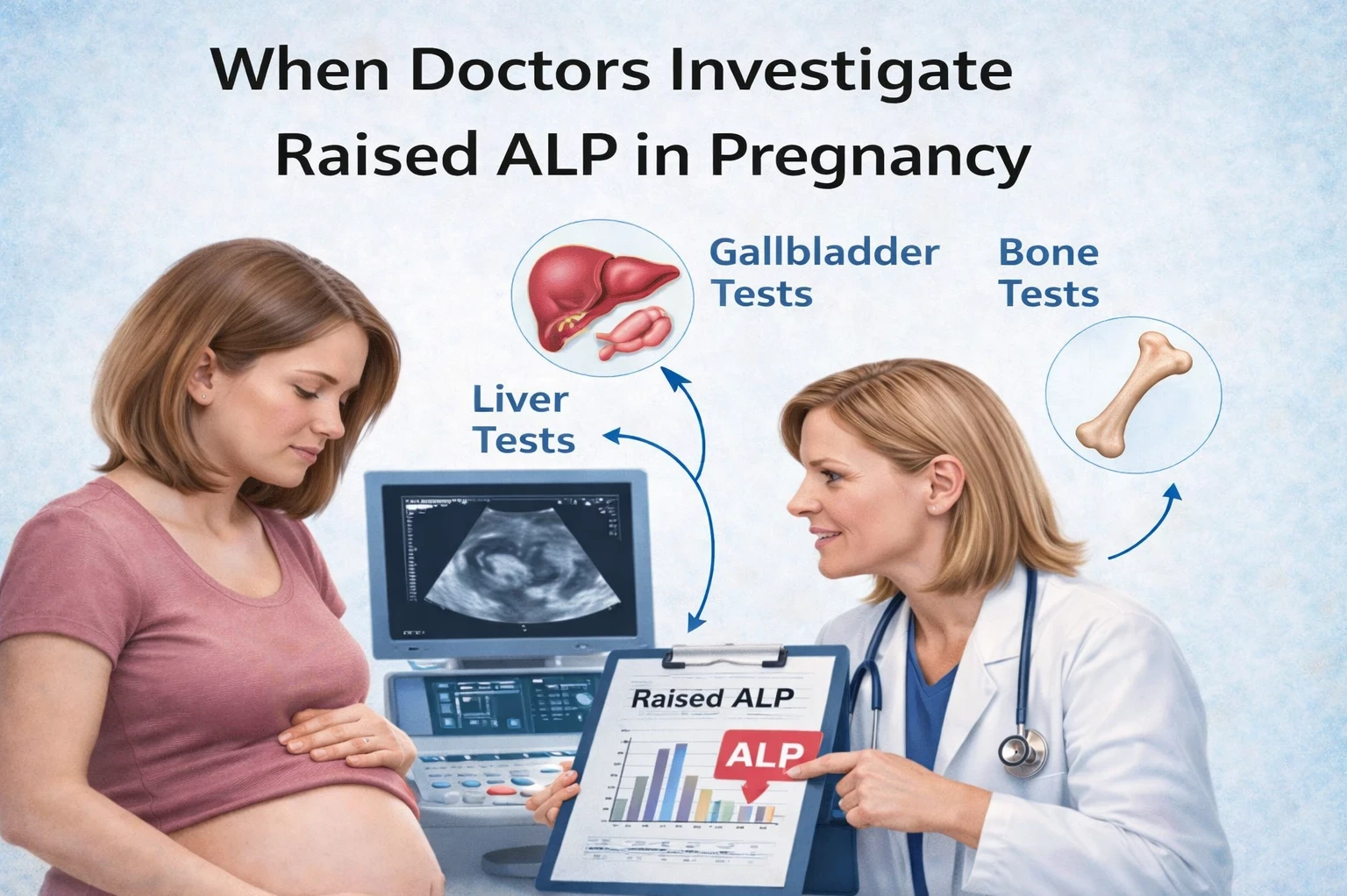
How Doctors Assess Raised ALP in Pregnancy
When blood tests show raised ALP in pregnancy, healthcare providers usually consider several factors before deciding on further evaluation.
These may include:
gestational stage
other liver enzyme levels
presence of itching or abdominal symptoms
bile acid testing
ultrasound imaging if needed
fetal growth monitoring
By assessing these factors together, clinicians can determine whether the enzyme increase is part of normal pregnancy physiology.
Lifestyle habits can also influence overall health during pregnancy.
Topics such as sleep, nutrition, and stress are explored further in lifestyle factors that influence pain.
Supporting General Health During Pregnancy
A raised ALP in pregnancy caused by placental production usually cannot be lowered directly.
Nevertheless, maintaining healthy habits can support liver and metabolic health.
Helpful strategies may include:
- eating balanced meals rich in whole foods
- staying well hydrated
- maintaining moderate physical activity
- attending regular prenatal check-ups
- avoiding alcohol and unnecessary medications
For broader wellness strategies, managing pain and emotional wellbeing highlights how lifestyle factors influence overall health.
A Balanced Perspective
In most cases, raised ALP in pregnancy reflects normal physiological changes associated with placental development and increased metabolic activity. Enzyme levels typically return to normal after childbirth.
However, symptoms and accompanying blood test abnormalities should always be evaluated by a healthcare professional.
Understanding how pregnancy changes laboratory values can help expectant mothers feel more confident discussing results with their medical team.
Scientific Studies and Medical References
NCBI – Liver Disease in Pregnancy
Merck Manual – Physiology of Pregnancy
RCOG – Obstetric Cholestasis Guideline
Placental Alkaline Phosphatase in Pregnancy Research