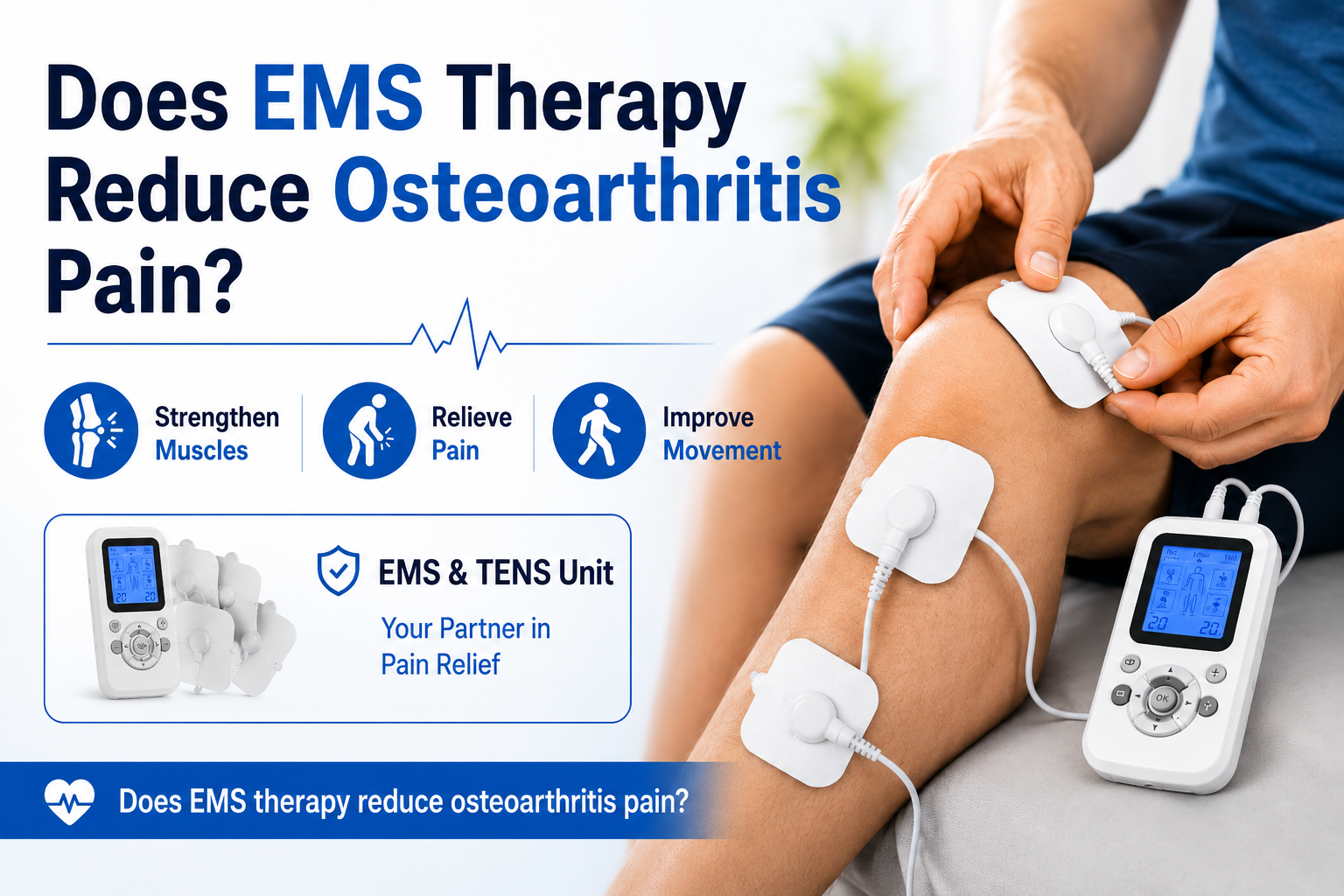
Does EMS Therapy Reduce Osteoarthritis Pain? It can certainly help
Does EMS Therapy Reduce Osteoarthritis Pain?
Does EMS therapy reduce osteoarthritis pain is a question many people are now asking as interest grows in non-invasive pain relief options. Osteoarthritis can affect movement, stiffness, and everyday comfort, especially in the knees, hips, hands, and lower back. While medications and exercise remain common approaches, EMS therapy is increasingly being explored as another way to support joint function and reduce discomfort.
Electrical muscle stimulation, often shortened to EMS, works by sending gentle electrical impulses into muscles. These impulses create controlled muscle contractions that may help improve muscle strength, circulation, and joint support. Some researchers now believe that better muscle activation around affected joints may reduce pressure and improve osteoarthritis symptoms over time.
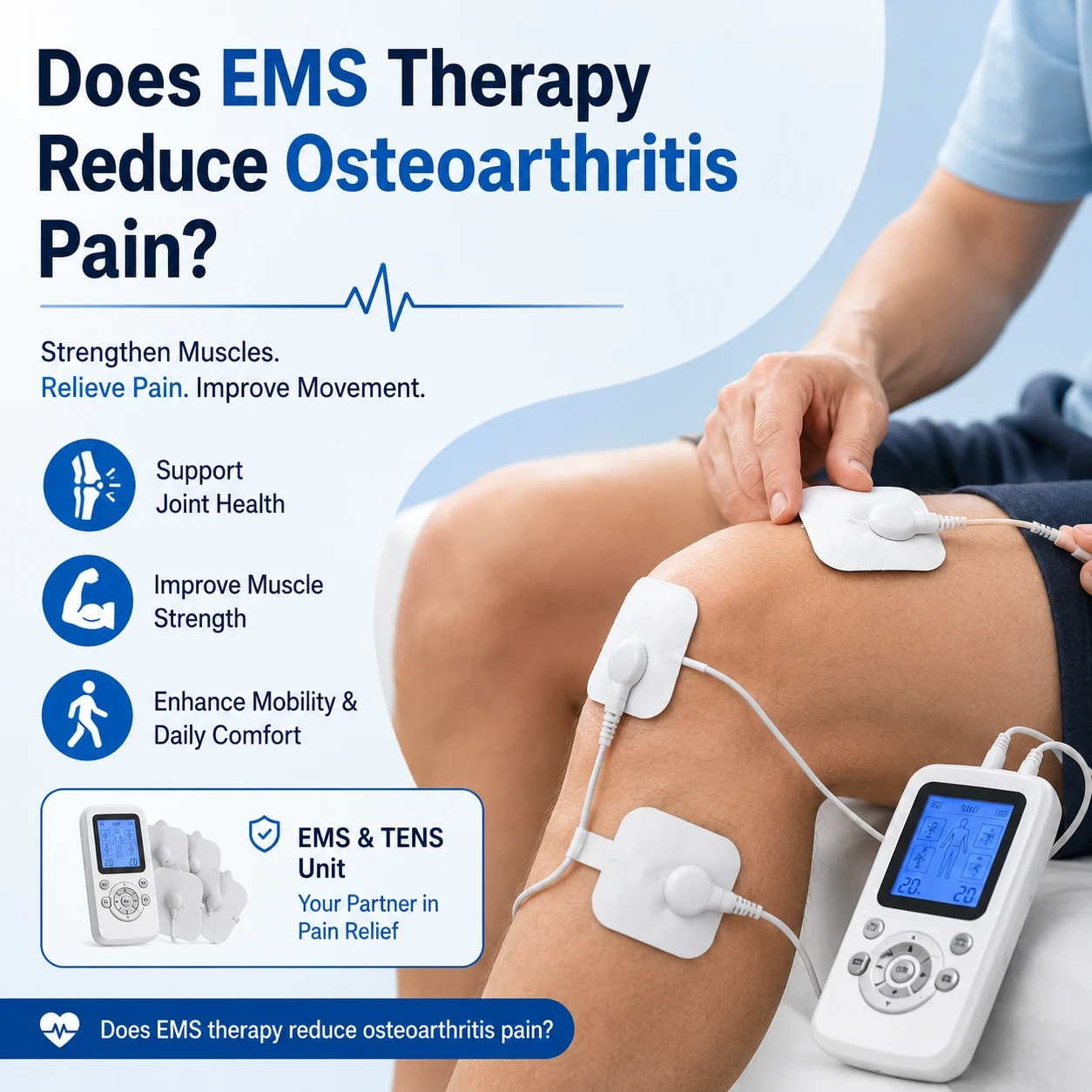
What Is EMS Therapy?
EMS therapy uses small electrical pulses delivered through pads placed on the skin. Unlike TENS therapy, which mainly targets pain signals, EMS focuses more on stimulating muscles directly.
The muscle contractions created during EMS therapy are designed to mimic natural movement and activation.
People using EMS therapy for osteoarthritis pain often place the pads around weak or stiff joints such as the knees or hips.
Supporting nearby muscles may help improve stability and movement, especially when muscle weakness contributes to joint stress.
Some people combine EMS with other approaches such as osteoarthritis treatment options, gentle stretching, and daily movement routines to create a broader pain management strategy.
How Does EMS Therapy Reduce Osteoarthritis Pain?
Research into whether EMS therapy reduces osteoarthritis pain is still developing, but early findings appear promising. Scientists are increasingly interested in how muscle stimulation may influence inflammation, movement quality, and pain sensitivity.
A recent report discussed emerging technology involving electrical stimulation for osteoarthritis support.
Researchers observed that targeted stimulation may help improve muscle activity around affected joints while potentially lowering pain levels over time. External coverage of this research can be found through ScienceAlert’s report on EMS and osteoarthritis research.
Many people with osteoarthritis experience reduced activity because movement becomes painful. Unfortunately, less movement can weaken muscles further, placing even more strain on joints. EMS therapy may help interrupt this cycle by encouraging muscle activation even when normal exercise feels difficult.
EMS Therapy vs TENS Therapy
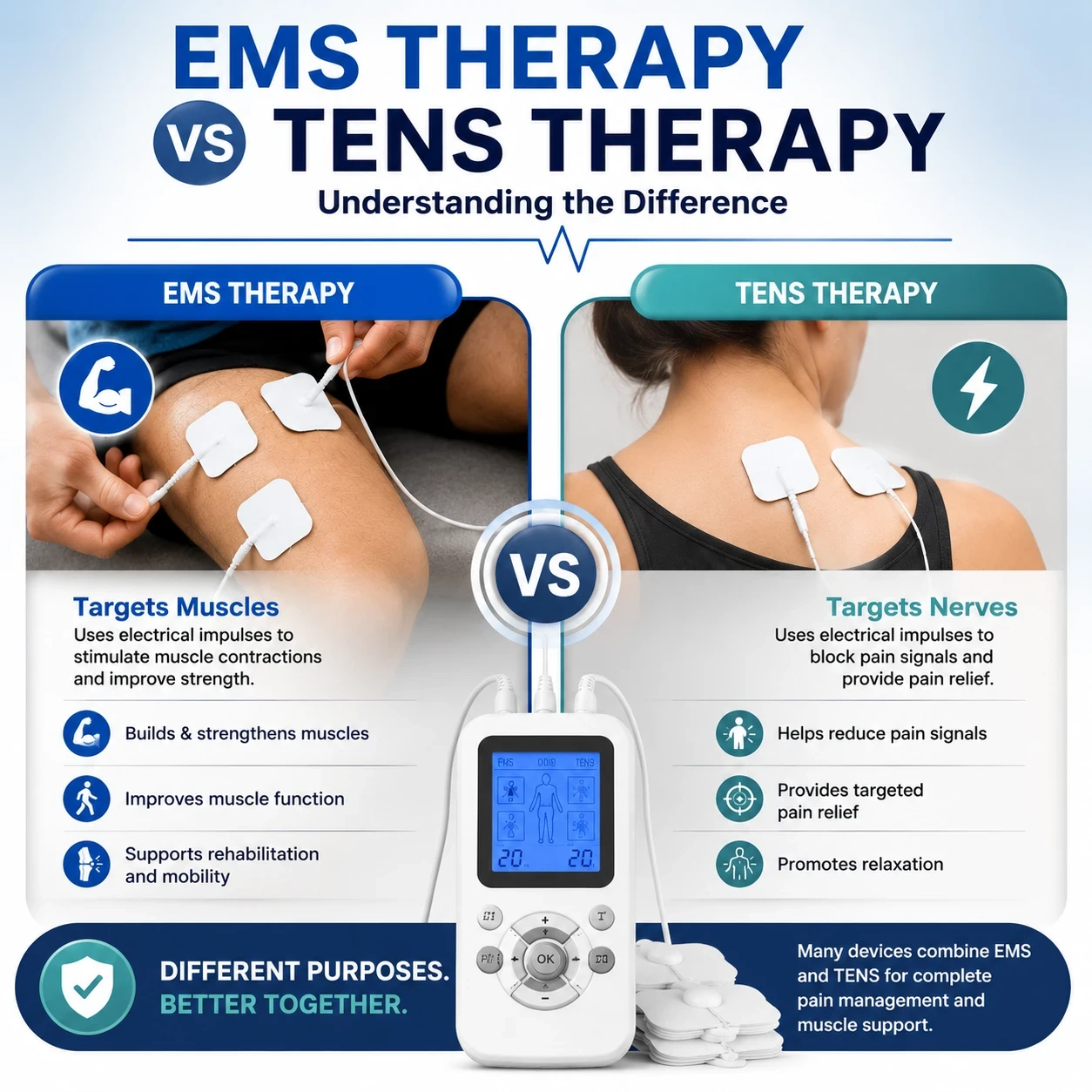
People often confuse EMS and TENS because both use electrical stimulation pads. However, they work differently.
- TENS therapy mainly targets nerve pathways to help reduce pain signals
- EMS therapy mainly targets muscles to create contractions and support strength
- TENS is commonly used for short-term pain relief
- EMS is often used for muscle activation and rehabilitation
Many modern devices now combine both functions into one unit. This allows users to switch between pain relief modes and muscle stimulation depending on their needs.
People looking into TENS therapy for arthritis pain relief may notice that some combined EMS and TENS devices offer broader support for movement and pain management.
How EMS May Help Osteoarthritis Symptoms
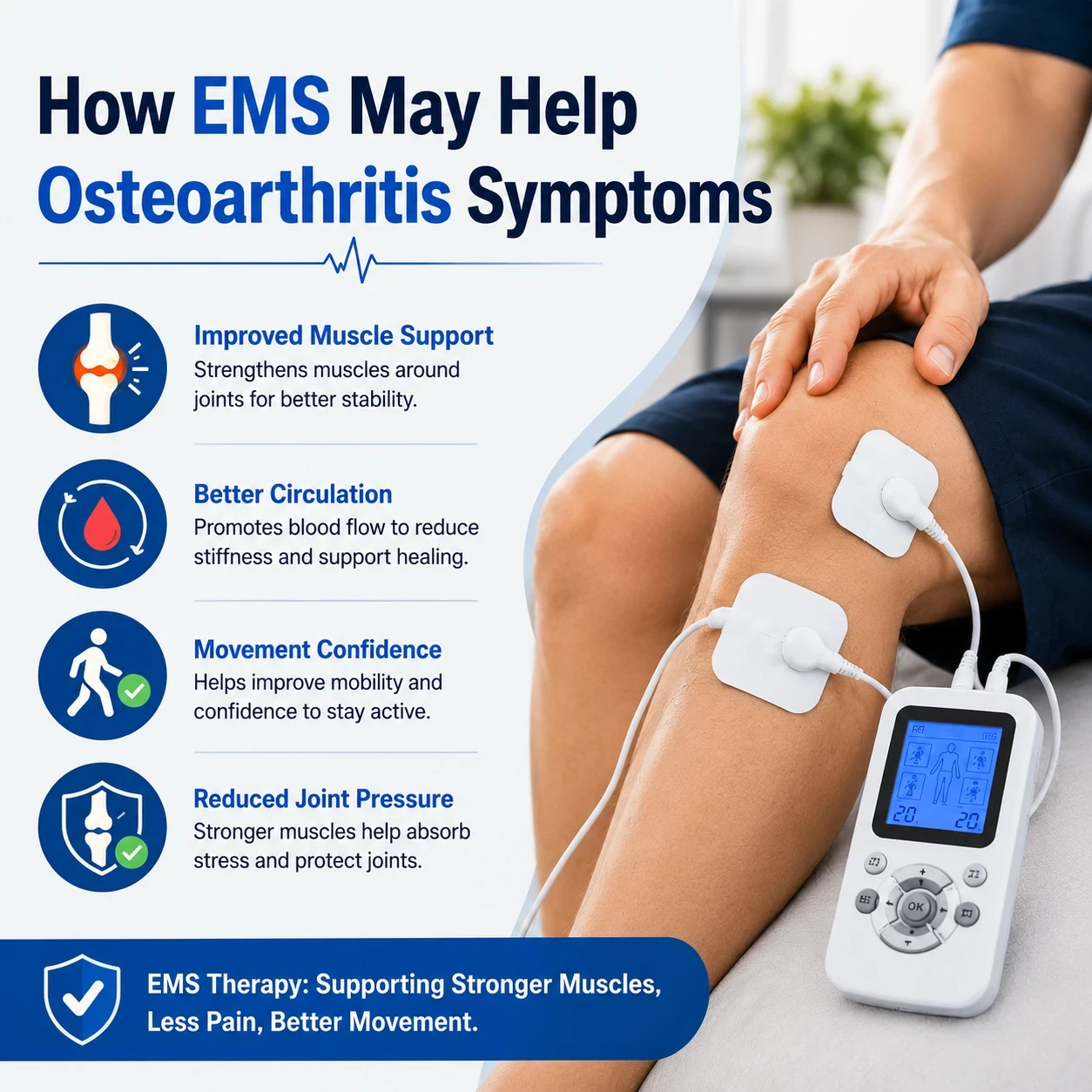
Several possible reasons explain why EMS therapy may help reduce osteoarthritis pain.
Improved Muscle Support
Weak muscles around joints can increase stress and instability. EMS therapy may help activate muscles that have become underused because of pain or inactivity.
Better Circulation
The gentle contractions created during EMS therapy may encourage blood flow around stiff joints and nearby tissues. Better circulation may support recovery and reduce feelings of stiffness.
Movement Confidence
Many people with osteoarthritis become fearful of movement because they expect pain. When muscle activation improves, some individuals feel more confident walking, standing, or exercising again.
Reduced Joint Pressure
Stronger surrounding muscles may absorb more physical load, potentially reducing pressure placed directly on painful joints.
Using EMS Therapy Safely
EMS therapy is generally considered safe for many adults when used correctly, but it is still important to follow instructions carefully.
- Do not place pads directly over damaged skin
- Avoid excessively high intensity settings
- Start slowly and gradually increase sessions
- Speak with a healthcare professional if you have a pacemaker or heart condition
Consistency often matters more than intensity. Short, regular EMS sessions may provide better long-term support than occasional heavy use.
Choosing an EMS Device
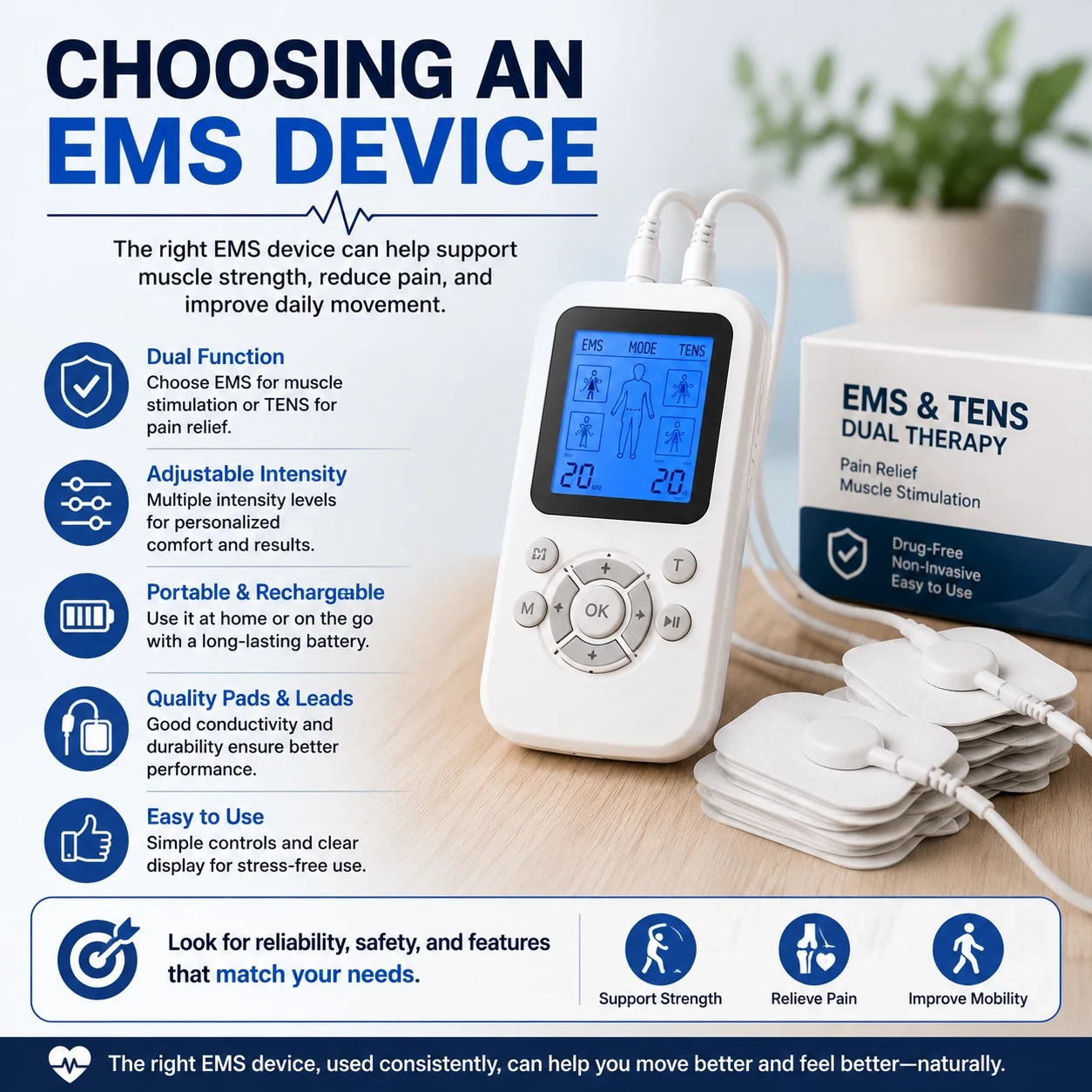
Many people exploring whether EMS therapy reduces osteoarthritis pain look for combination EMS and TENS devices that offer flexibility. These devices allow users to target both muscle support and pain management.
The Vive Health EMS and TENS Unit combines electrical muscle stimulation with traditional TENS settings in one portable device. It is designed for home use and may suit people looking for a convenient way to support sore muscles and stiff joints.
Using EMS therapy alongside strategies such as gentle exercises for arthritis pain relief may provide a more balanced long-term approach to osteoarthritis management.
Can EMS Replace Exercise?
EMS therapy should not usually replace movement completely. Gentle exercise remains one of the most important strategies for osteoarthritis support because it helps maintain flexibility, circulation, and joint health.
However, EMS therapy may help people who struggle to begin exercising because of stiffness or pain. In some cases, it may act as a stepping stone toward becoming more active again.
Combining EMS therapy with walking, stretching, mobility exercises, heat therapy, and healthy weight management may produce better long-term results than relying on one method alone.
Who May Benefit Most From EMS Therapy?
People who may potentially benefit from EMS therapy include:
- Adults with knee osteoarthritis
- People experiencing muscle weakness around joints
- Individuals recovering from inactivity
- Older adults wanting gentle home-based support
- People looking for drug-free pain management options
Results can vary from person to person. Some individuals notice better movement and reduced stiffness relatively quickly, while others may require several weeks of consistent use.
Final Thoughts
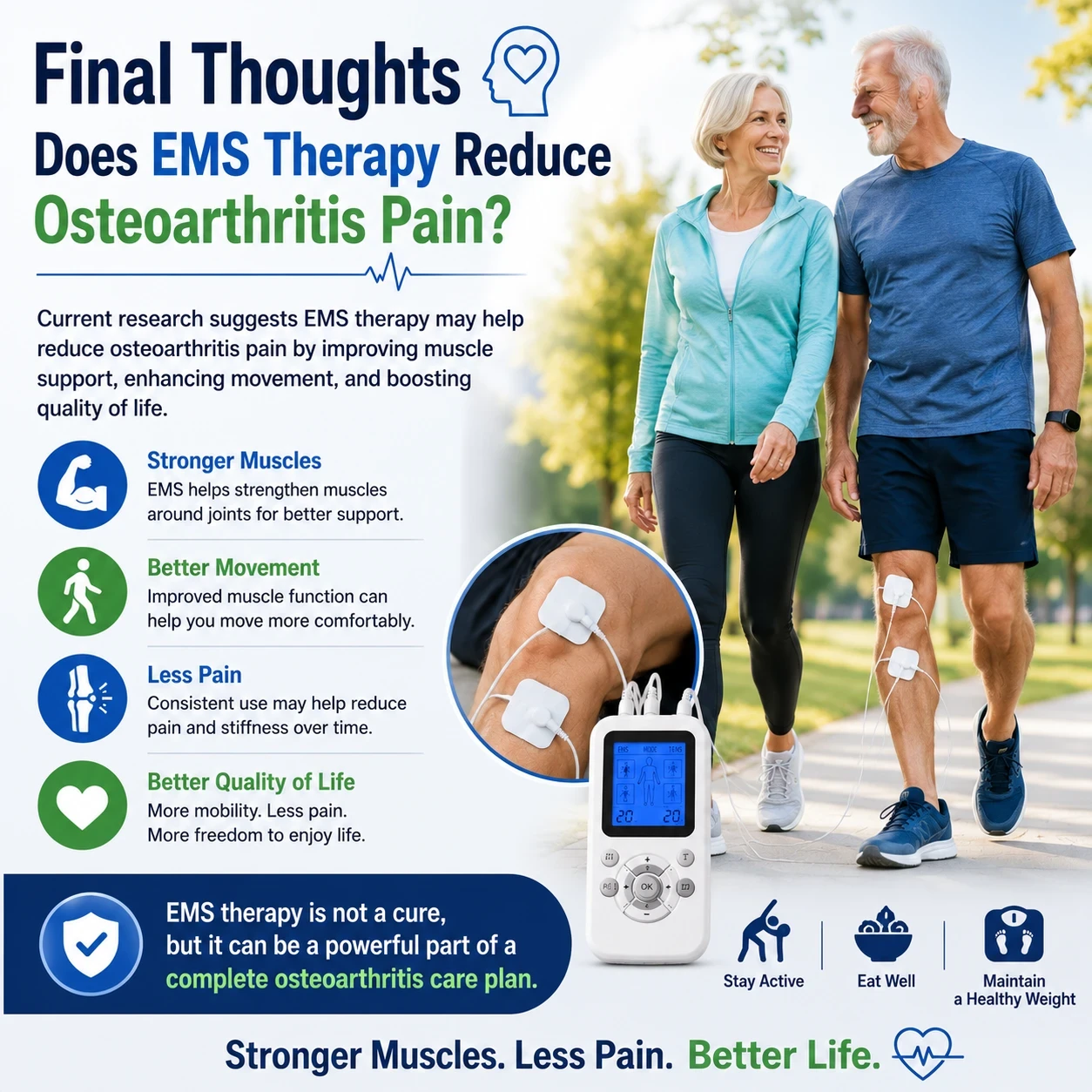
Does EMS therapy reduce osteoarthritis pain? Current research suggests it may help some people by improving muscle activation, supporting joint stability, and encouraging movement. While EMS therapy is not a cure for osteoarthritis, it may become a useful part of a broader pain management plan.
As more research develops, interest in electrical stimulation therapy for osteoarthritis is likely to continue growing. Combining EMS therapy with gentle exercise, movement, and healthy daily habits may offer the best overall support for long-term joint comfort and mobility.