Psoriatic Arthritis Vs Rheumatoid Arthritis How is one different from
Psoriatic Arthritis vs Rheumatoid Arthritis
Psoriatic arthritis vs rheumatoid arthritis is an important comparison because both conditions can cause joint pain, stiffness, swelling, and long-term mobility problems.
Although they share similarities, psoriatic arthritis and rheumatoid arthritis are different inflammatory conditions with unique symptoms, triggers, and treatment approaches. Understanding the differences can help people seek earlier support and manage symptoms more effectively.
What Is Psoriatic Arthritis?
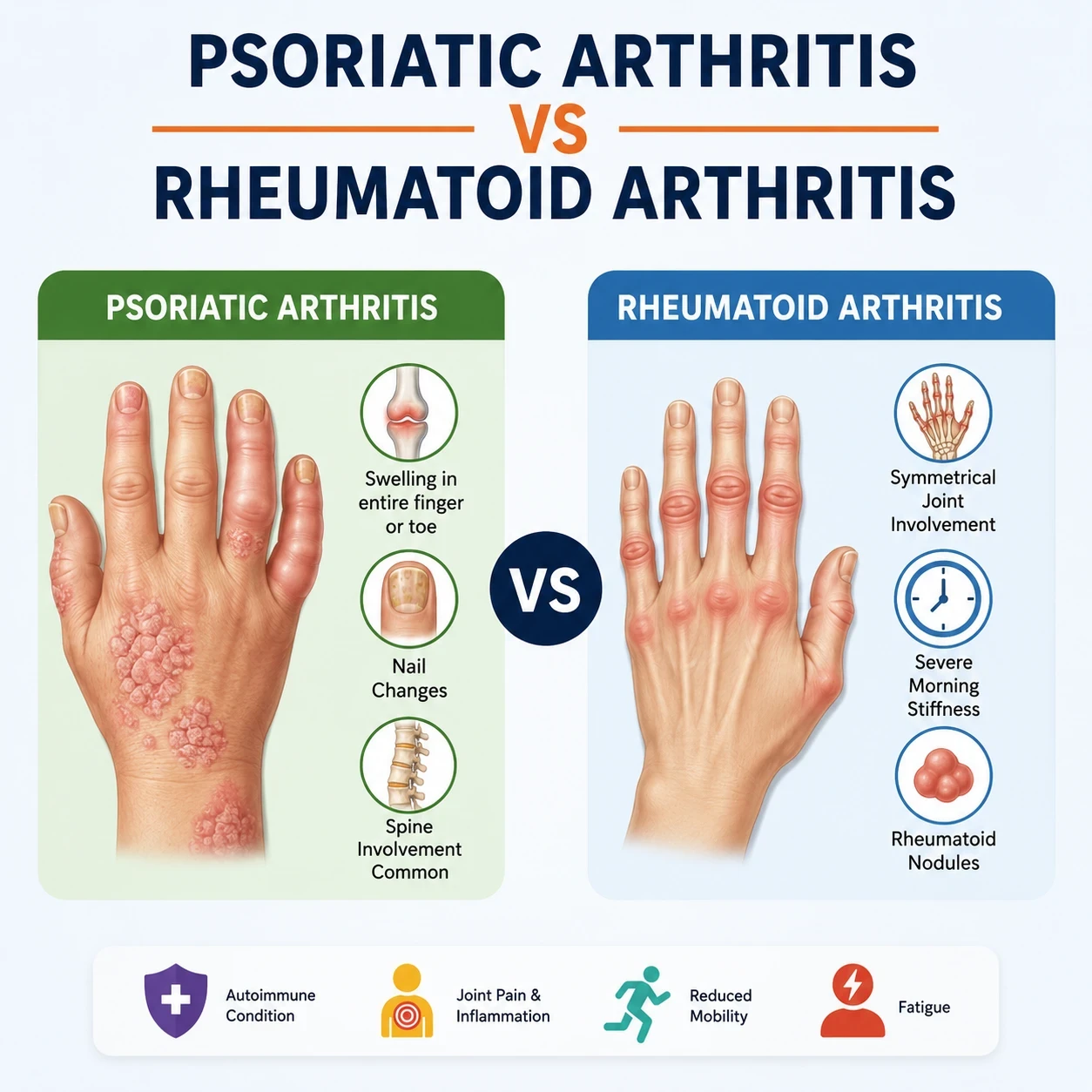
Psoriatic arthritis is an autoimmune condition linked to psoriasis, a skin disorder that causes red, flaky, and irritated patches on the skin. In psoriatic arthritis, the immune system mistakenly attacks healthy joints and tissues, leading to inflammation, swelling, and discomfort.
Some people develop psoriasis years before joint symptoms appear, while others notice joint pain first. Psoriatic arthritis can affect the fingers, toes, knees, spine, hips, and other joints throughout the body.
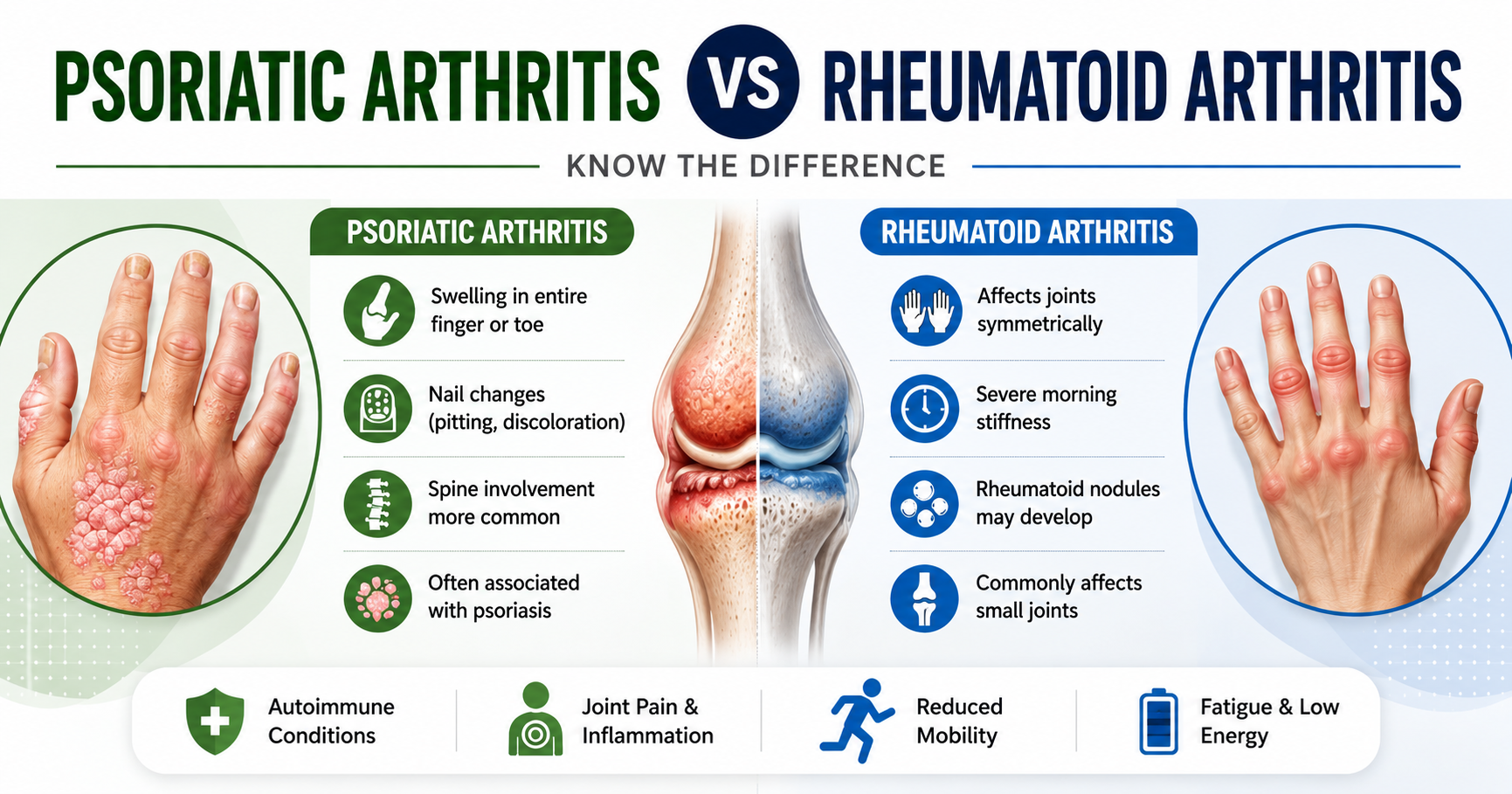
Many people researching psoriatic arthritis vs rheumatoid arthritis notice that psoriatic arthritis often causes swelling in entire fingers or toes, sometimes described as “sausage digits.” Nail changes such as pitting or thickening are also common.
What Is Rheumatoid Arthritis?
Rheumatoid arthritis is another autoimmune condition where the immune system attacks the lining of the joints. Over time, this inflammation may damage cartilage, bone, and surrounding tissues.
Rheumatoid arthritis often affects smaller joints first, especially the hands, wrists, and feet. Symptoms frequently appear symmetrically, meaning both sides of the body are affected at the same time.
When discussing psoriatic arthritis vs rheumatoid arthritis, rheumatoid arthritis is generally associated with persistent morning stiffness, fatigue, and progressive joint inflammation that may worsen without treatment.
Main Differences Between Psoriatic Arthritis and Rheumatoid Arthritis
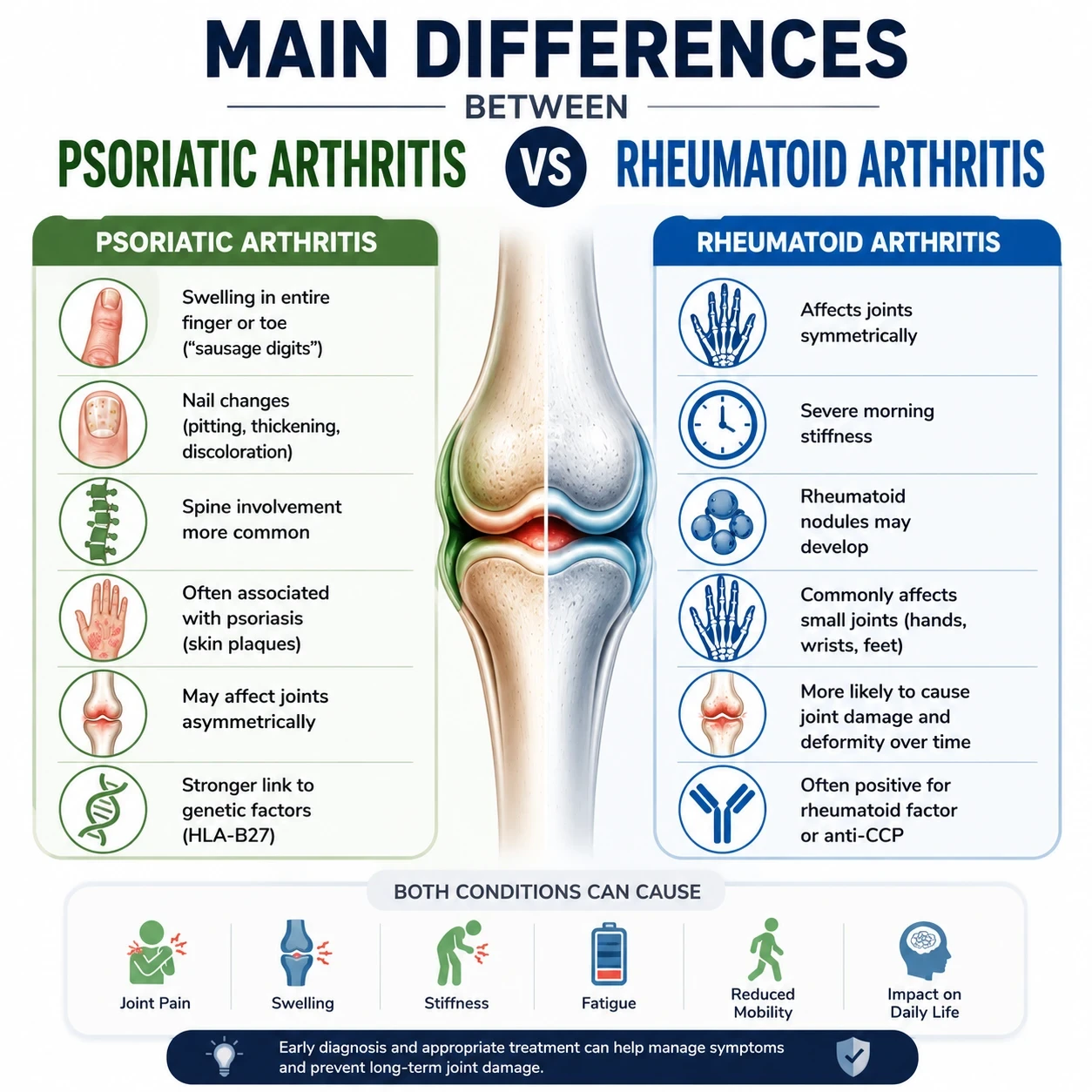
Although both conditions involve inflammation, there are important differences between them.
- Psoriatic arthritis is commonly linked to psoriasis skin symptoms
- Rheumatoid arthritis usually affects joints symmetrically
- Psoriatic arthritis may involve nail changes and swollen fingers or toes
- Rheumatoid arthritis more commonly causes severe morning stiffness
- Psoriatic arthritis can affect the spine more often
- Rheumatoid arthritis may produce rheumatoid nodules under the skin
People comparing psoriatic arthritis vs rheumatoid arthritis are often surprised that both conditions can also affect energy levels, sleep quality, emotional wellbeing, and daily movement.
Symptoms That Overlap
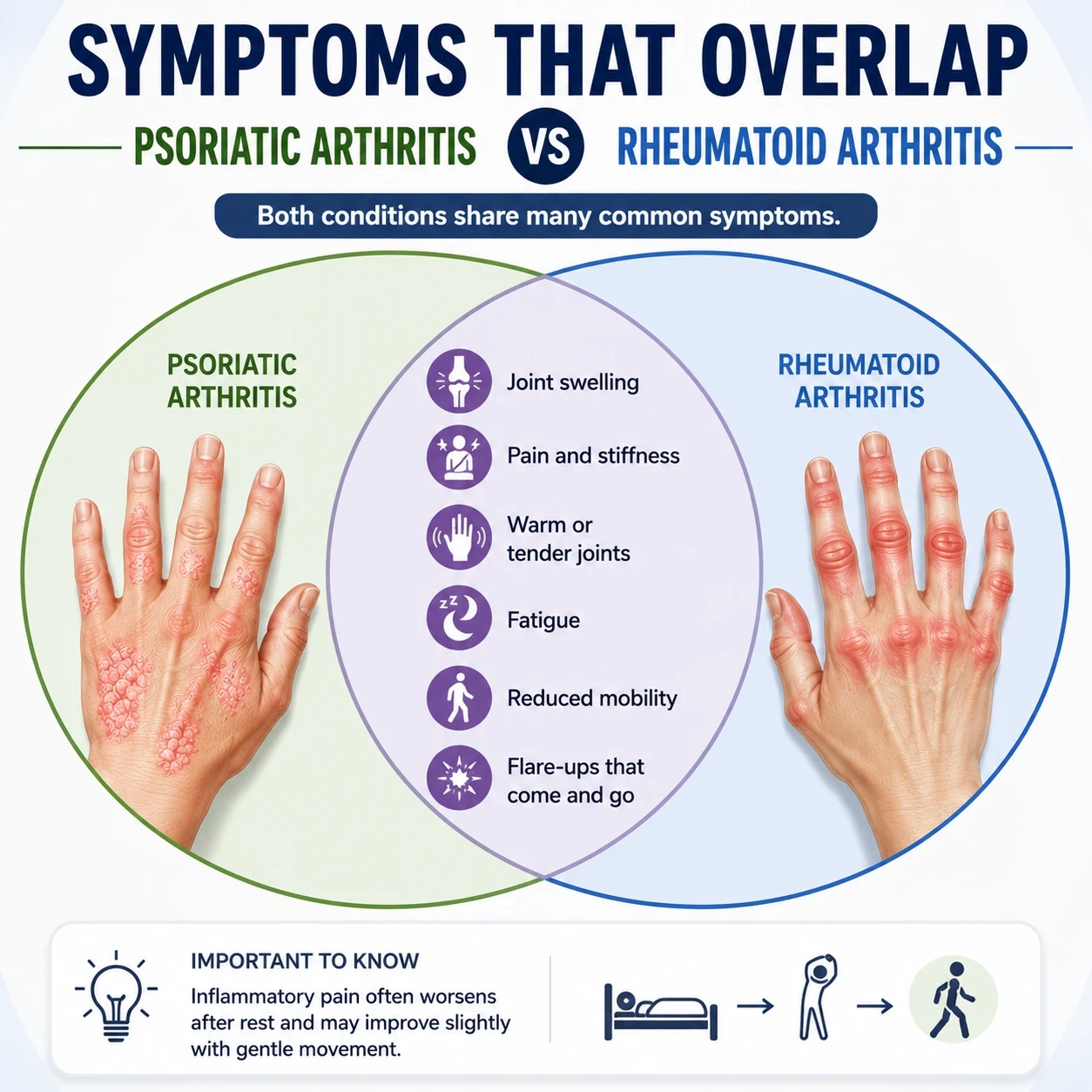
One reason the topic of psoriatic arthritis vs rheumatoid arthritis can feel confusing is because many symptoms overlap.
Both conditions may cause:
- Joint swelling
- Pain and stiffness
- Warm or tender joints
- Fatigue
- Reduced mobility
- Flare-ups that vary over time
Inflammatory pain often behaves differently from mechanical pain caused by injury or overuse. Symptoms may feel worse after rest and improve slightly with gentle movement.
Learning more about arthritis and joint inflammation can help explain why symptoms sometimes move around or become unpredictable.
What Causes These Conditions?
The exact causes are not fully understood, but autoimmune activity plays a major role in both conditions. Genetics, environmental triggers, stress, infections, and immune dysfunction may all contribute.
Researchers studying psoriatic arthritis vs rheumatoid arthritis believe family history can increase the risk of developing either condition. Smoking is also strongly linked to rheumatoid arthritis risk and symptom severity.
Inflammation inside the body may continue even when symptoms temporarily improve. This is why long-term management is often important.
How Diagnosis Is Made
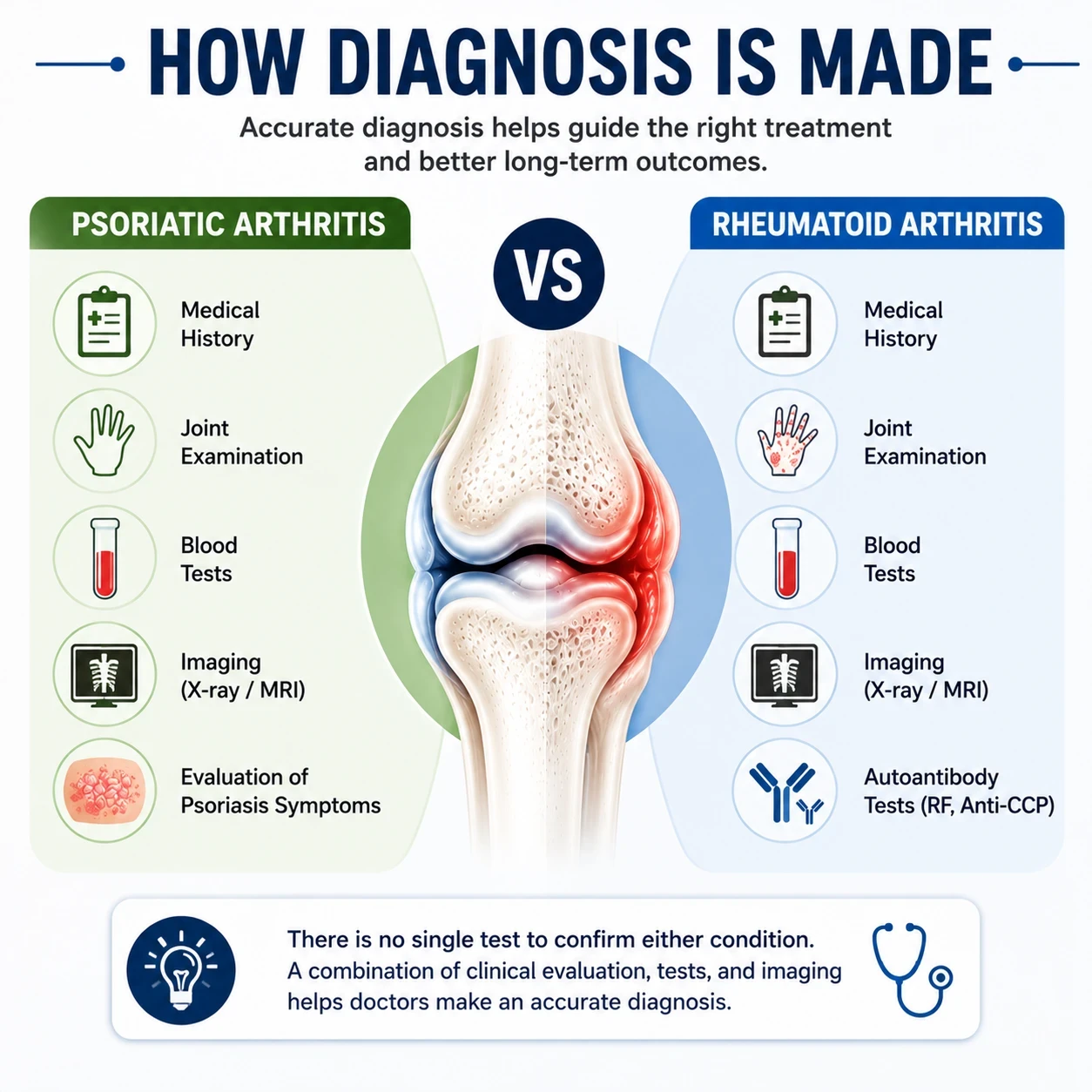
Doctors use several methods to distinguish between psoriatic arthritis and rheumatoid arthritis.
- Medical history
- Joint examination
- Blood tests
- X-rays or MRI scans
- Evaluation of psoriasis symptoms
Blood tests for rheumatoid factor and anti-CCP antibodies are commonly used when evaluating rheumatoid arthritis. However, psoriatic arthritis patients are often negative for these markers.
The discussion around psoriatic arthritis vs rheumatoid arthritis sometimes becomes complicated because no single test confirms either condition with complete certainty.
Treatment Approaches
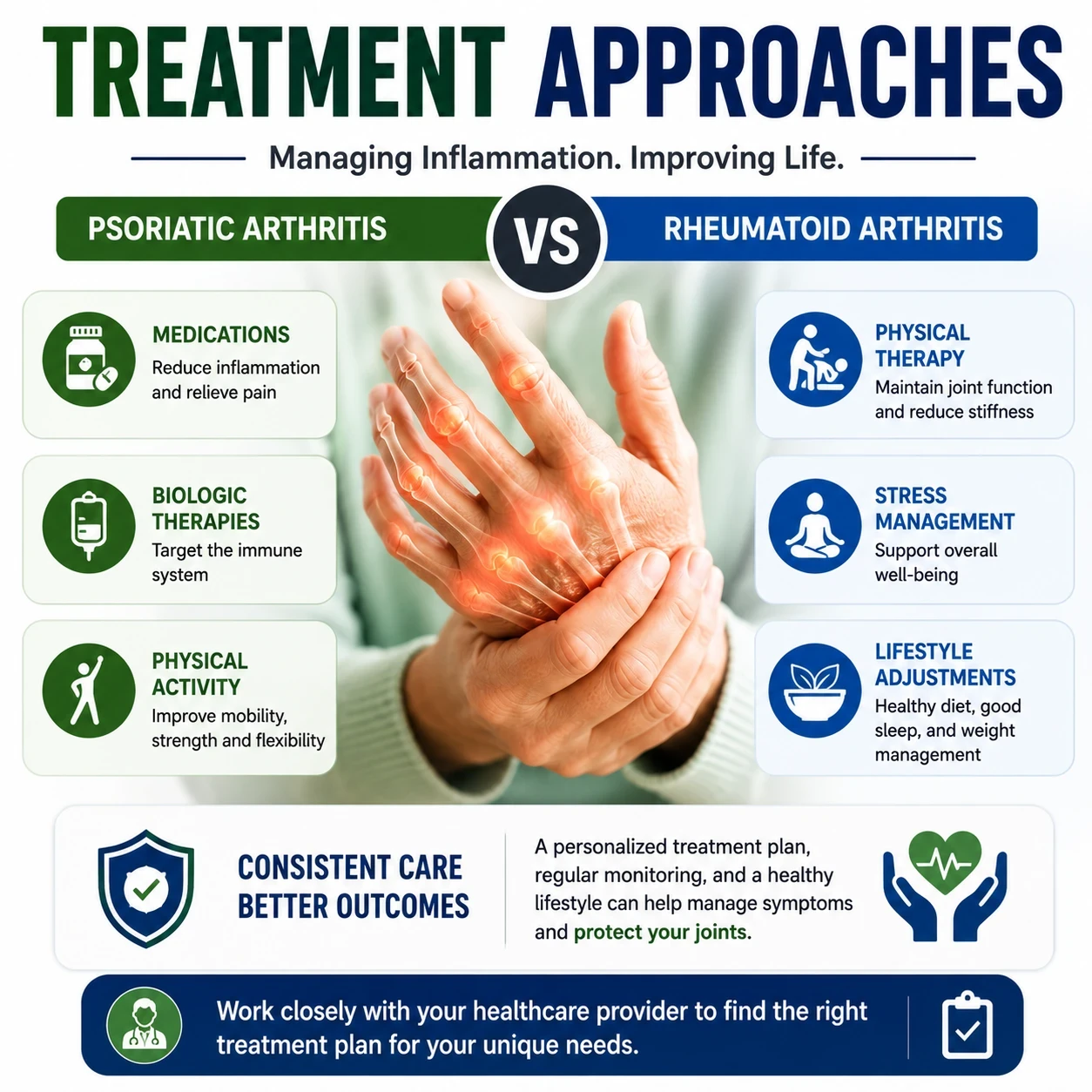
Treatment aims to reduce inflammation, improve mobility, manage pain, and slow joint damage.
Common treatment options include:
- Anti-inflammatory medications
- Biologic therapies
- Gentle exercise programs
- Physical therapy
- Stress management
- Lifestyle adjustments
Some people also explore supportive approaches such as TENS therapy for arthritis pain relief to help manage discomfort and stiffness alongside medical care.
Heat therapy may help relax stiff joints, while cold therapy may calm swelling during flare-ups.
People exploring psoriatic arthritis vs rheumatoid arthritis often discover that symptom management usually works best when several supportive strategies are combined consistently.
The Role of Movement and Exercise
Gentle movement is important for maintaining joint flexibility and muscle support. Long periods of inactivity can increase stiffness and reduce confidence in movement.
Walking, swimming, stretching, and low-impact strength exercises are commonly recommended. Movement does not need to be intense to provide benefits.
People living with inflammatory arthritis sometimes become fearful of movement because pain feels unpredictable. Understanding how chronic pain and sensitivity develop may help people approach activity more gradually and confidently.
Can These Conditions Affect Mental Health?
Yes. Chronic inflammation, pain, poor sleep, and fatigue can all affect emotional wellbeing. Stress may also contribute to flare-ups in some individuals.
The emotional impact of psoriatic arthritis vs rheumatoid arthritis is sometimes underestimated. Persistent symptoms can affect work, social life, confidence, and sleep patterns.
Building sustainable daily habits, pacing activity, improving sleep quality, and staying socially connected may help support overall wellbeing.
When to Seek Medical Advice
Persistent joint swelling, severe morning stiffness, skin changes, unexplained fatigue, or ongoing pain should not be ignored.
Early diagnosis is important because untreated inflammation may increase the risk of long-term joint damage. Seeking support early may improve long-term outcomes and help preserve mobility.
Final Thoughts on Psoriatic Arthritis vs Rheumatoid Arthritis
Psoriatic arthritis vs rheumatoid arthritis is a comparison that highlights how complex inflammatory joint conditions can be. While both conditions involve immune-driven inflammation, they differ in symptoms, progression, and associated features such as psoriasis or symmetrical joint involvement.
Understanding the differences may help people recognize symptoms earlier, communicate more effectively with healthcare professionals, and explore supportive management strategies that improve quality of life over time.
Research Study:
Psoriatic Arthritis and Rheumatoid Arthritis Research Review