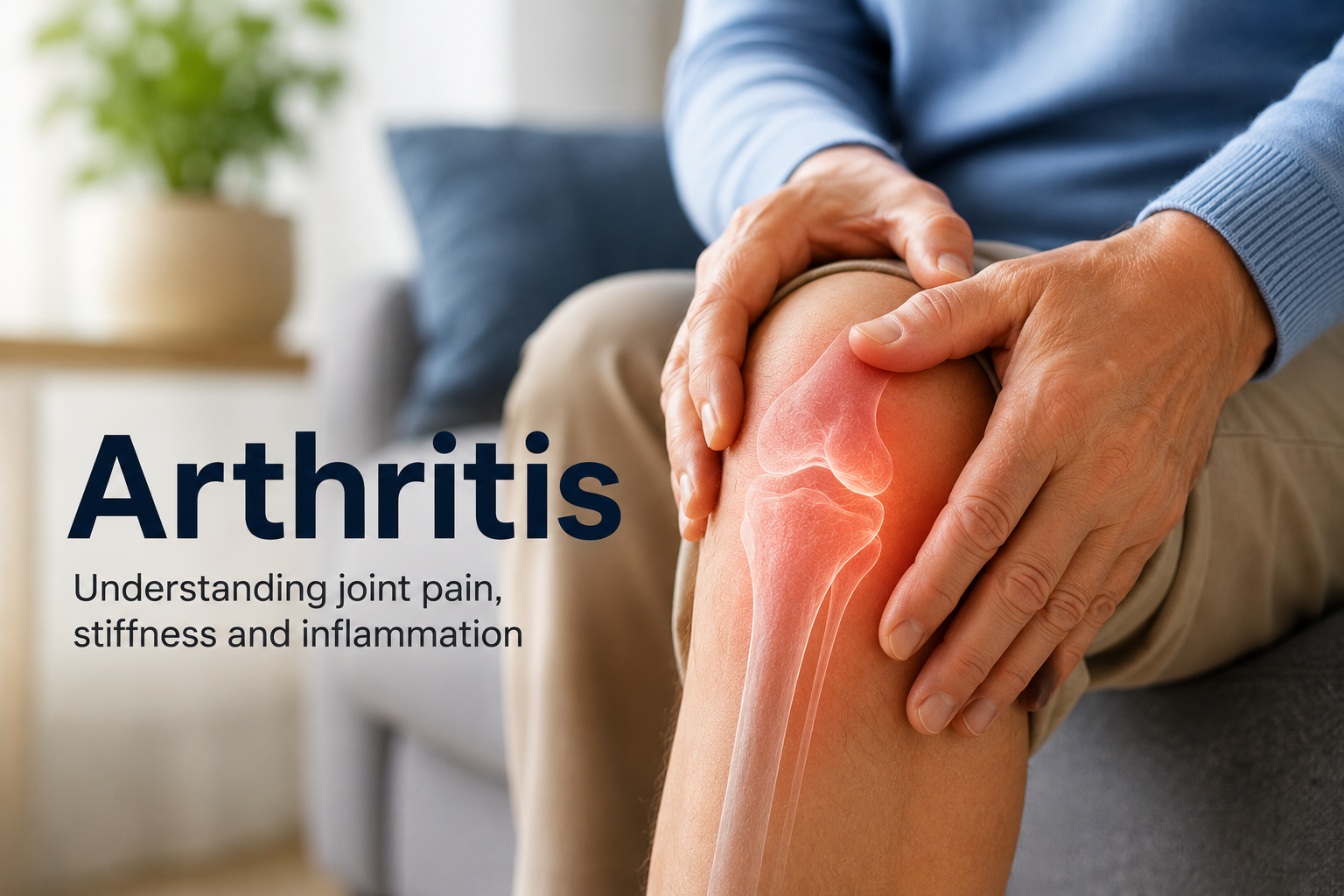
Arthritis
Arthritis is one of the most common causes of joint pain and stiffness, affecting millions of people worldwide. Joint discomfort can appear gradually over time or develop during sudden flare-ups that make everyday movement more difficult. Whether symptoms affect the knees, hips, hands, back, or several joints at once, ongoing stiffness and reduced mobility can influence sleep, activity levels, confidence, and overall quality of life.
Many people assume joint degeneration is simply part of getting older, but these conditions are far more complex than normal aging. Different inflammatory and degenerative joint conditions like arthritis affect the body in different ways, and understanding how they work can help people make better decisions about movement, treatment options, lifestyle habits, and long-term joint support.
Learning about what chronic pain really means can also help explain why joint symptoms sometimes continue even after inflammation settles or why pain levels change from day to day.
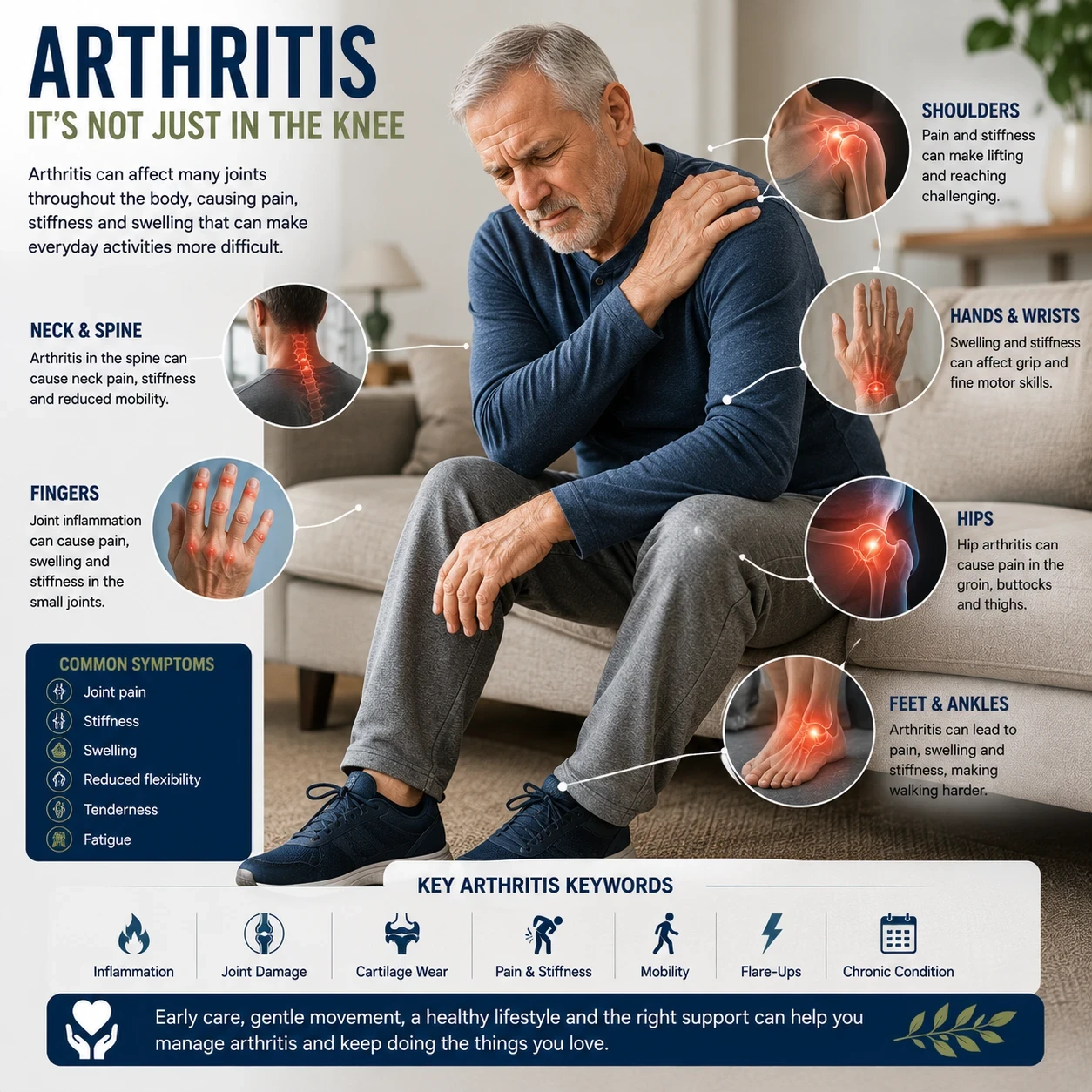
What Is Arthritis?
This term describes a group of conditions that affect the joints. A joint is the place where two bones meet, allowing the body to move smoothly and comfortably. Problems within the joints may cause inflammation, stiffness, swelling, reduced movement, and persistent discomfort.
There are over 100 different forms of joint disease, but the most common types include:
- Osteoarthritis
- Rheumatoid arthritis
- =Psoriatic arthritis
- =Gout
- Ankylosing spondylitis
Some conditions mainly involve wear and tear within the joints, while others involve the immune system attacking healthy tissues. Symptoms and severity often vary from person to person.
Common Symptoms
Joint-related symptoms may develop slowly or appear more suddenly during flare-ups. Some people experience mild stiffness, while others find mobility severely limited.
Common symptoms include:
- Joint pain
- Morning stiffness
- Swelling around joints
- Reduced flexibility
- Warmth or redness
- Difficulty walking or gripping objects
- Clicking or grinding sensations
- Fatigue
- Pain that changes with weather or activity levels
Many people notice stiffness is worse in the morning or after long periods of sitting. Others experience worsening symptoms after repetitive movement or increased physical activity.
Joint stiffness that lasts longer than expected may also overlap with back pain or nerve-related symptoms depending on which areas of the body are affected.
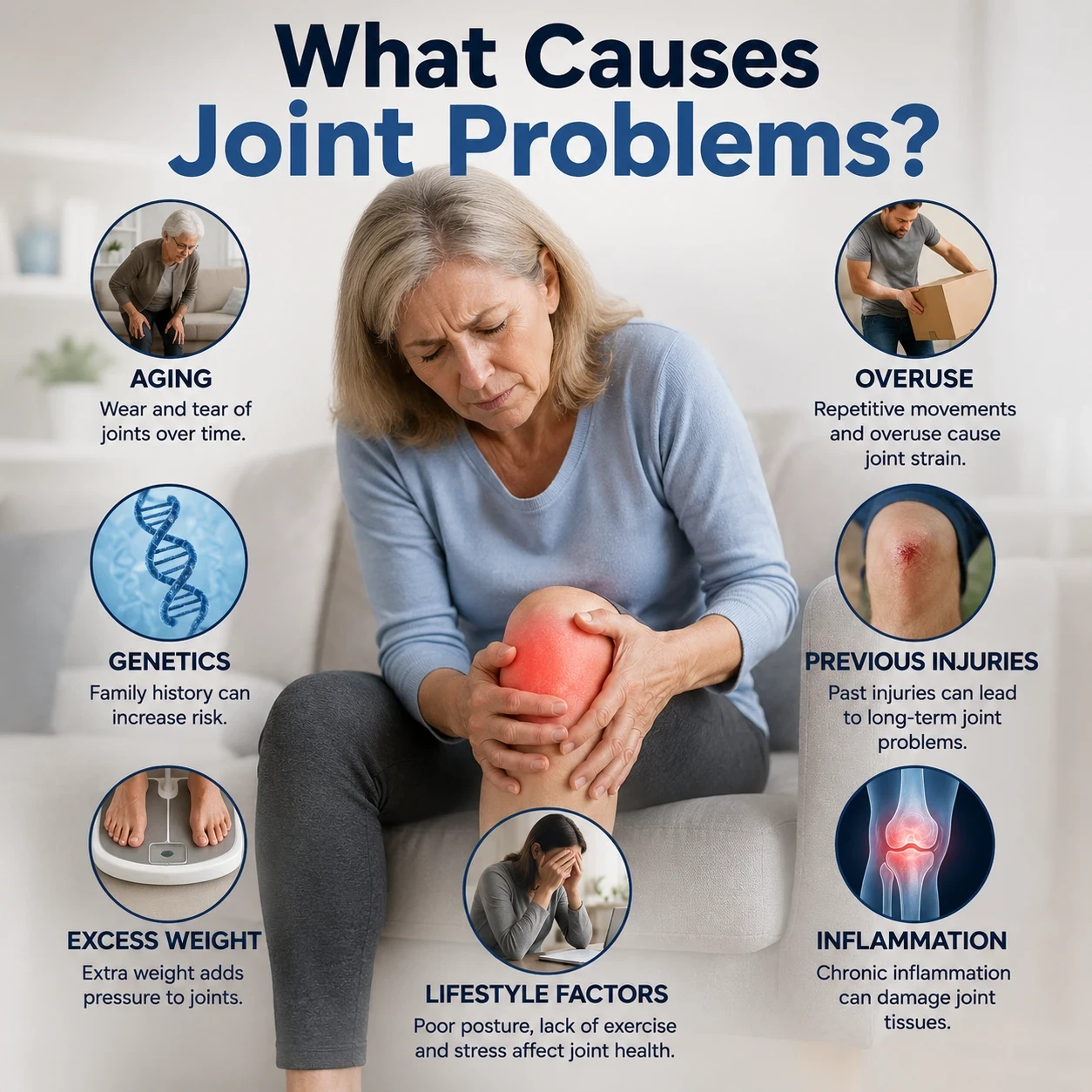
What Causes Joint Problems?
Joint arthritis conditions develop for many different reasons. In some cases, the protective cartilage inside the joints gradually wears down over time. In other situations, inflammation caused by the immune system damages healthy tissues.
Several factors may increase risk:
- Age
- Previous injuries
- Repetitive strain
- Family history
- Inflammation
- Autoimmune conditions
- Excess body weight
- Poor joint mechanics
- Lack of movement
These arthritconditions rarely develop because of one single factor alone. Instead, many people experience a gradual build-up of stress, inflammation, reduced movement, and joint sensitivity over time.
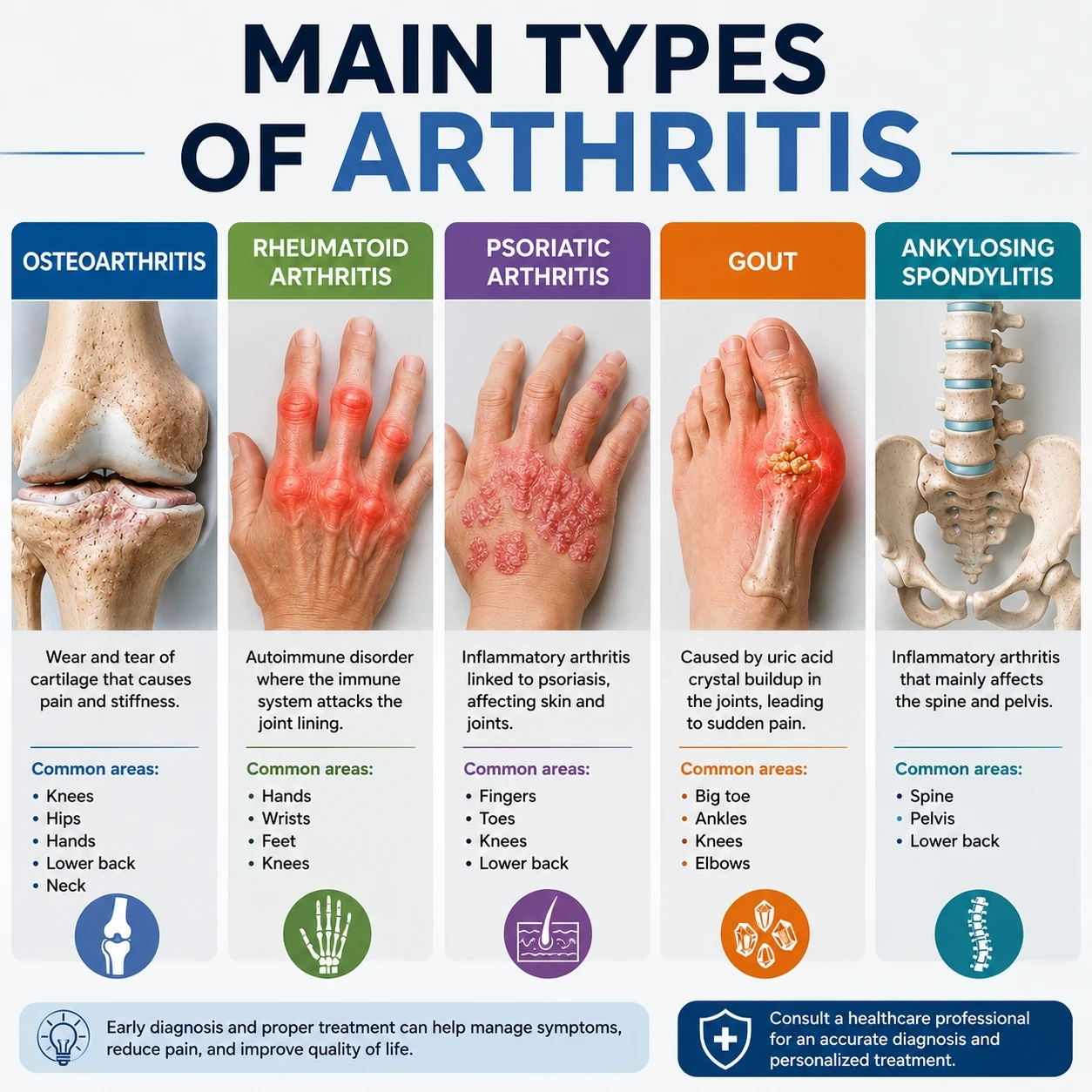
Main Types of Arthritis
Osteoarthritis
Osteoarthritis is the most common form and usually develops gradually as cartilage cushioning the joints becomes thinner over time. It often affects the knees, hips, hands, neck, and lower back.
People with osteoarthritis commonly experience stiffness after rest and pain during movement.
Rheumatoid Arthritis
Rheumatoid arthritis is an autoimmune condition where the immune system attacks healthy joint tissues. This may cause inflammation, swelling, fatigue, and progressive damage if left untreated.
Unlike osteoarthritis, rheumatoid conditions often affect both sides of the body equally.
Psoriatic Arthritis</h3></h3>
Psoriatic arthritis is linked to psoriasis, a skin condition that causes scaly patches. Symptoms may affect fingers, toes, knees, or the spine.
Gout
Gout develops when uric acid crystals build up inside joints. Flare-ups are often sudden and extremely painful, especially in the feet and toes.
Ankylosing Spondylitis
This inflammatory spinal condition mainly affects the spine and pelvis. Stiffness is often worse in the morning and may improve slightly with movement.
Joint Conditions and Chronic Pain
For many people, persistent joint problems become more than a simple mobility issue. Over time, pain may affect sleep, movement confidence, stress levels, and nervous system sensitivity.
This helps explain why symptoms sometimes continue even when scans do not show severe structural damage. The body and brain can become more sensitive to movement and stress over time.
Understanding how nerve pain develops may also help explain why some people experience burning, tingling, or radiating symptoms alongside joint discomfort.
Persistent pain may also reduce activity levels, creating weakness and stiffness that further increase discomfort.
Areas Commonly Affected
Knees
Knee joint degeneration is extremely common and can make walking, climbing stairs, and standing difficult. Stiffness often increases after sitting for long periods.
Many people searching for information are specifically dealing with knee pain linked to osteoarthritis or inflammation.
Hips
Hip problems may cause pain in the groin, buttock, or upper thigh. Movement often feels restricted, particularly first thing in the morning.
Hands
Hand symptoms may affect grip strength and fine movement. Swollen finger joints and stiffness can make everyday tasks frustrating.
Feet
Foot involvement can make walking painful and may affect balance. Symptoms often worsen with prolonged standing or unsuitable footwear.
Spine
Inflammation and degeneration can also affect the spine, contributing to stiffness, reduced flexibility, and persistent discomfort in the neck or lower back.
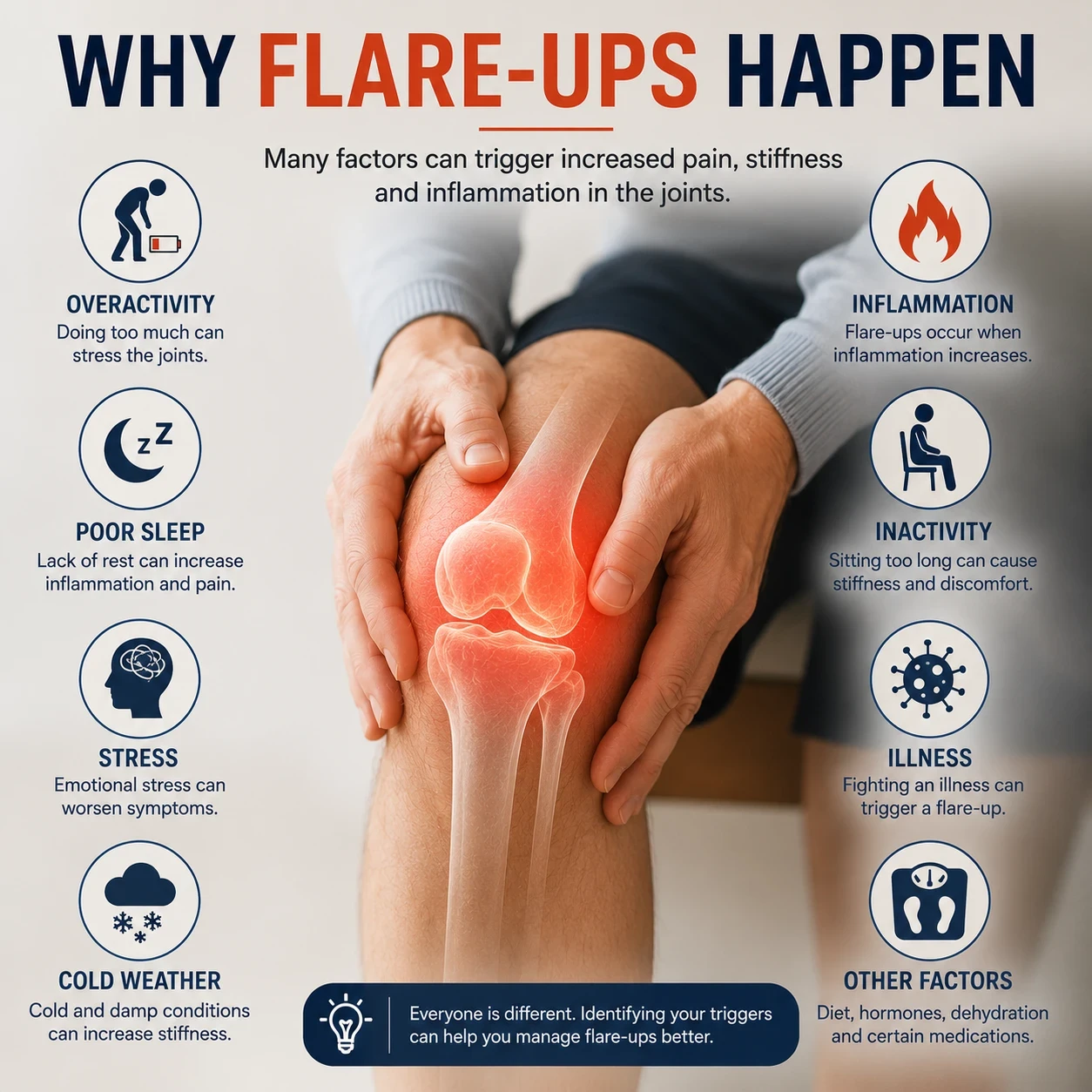
Why Flare-Ups Happen
Many people notice symptoms come and go in cycles. These worsening periods are often called flare-ups.
Common triggers include:
- Overactivity
- Poor sleep
- Stress
- Cold weather
- Inflammation
- Long periods without movement
- Illness
Flare-ups do not always mean permanent joint damage is worsening. In many arthritis cases, the joints and nervous system become temporarily more sensitive.
Learning how to pace activity and recover properly may help reduce the intensity of flare-ups over time.
How Joint Pain Affects Daily Life
Persistent stiffness and pain can influence far more than physical movement alone. Many people describe frustration, reduced independence, and anxiety about future mobility.
Simple activities such as:
- Getting dressed
- Cooking
- Walking stairs
- Driving
- Gardening
- Sleeping comfortably
- Opening jars
may gradually become more difficult.
Many individuals also reduce movement because they fear making symptoms worse. However, avoiding all movement can increase stiffness and weakness over time.
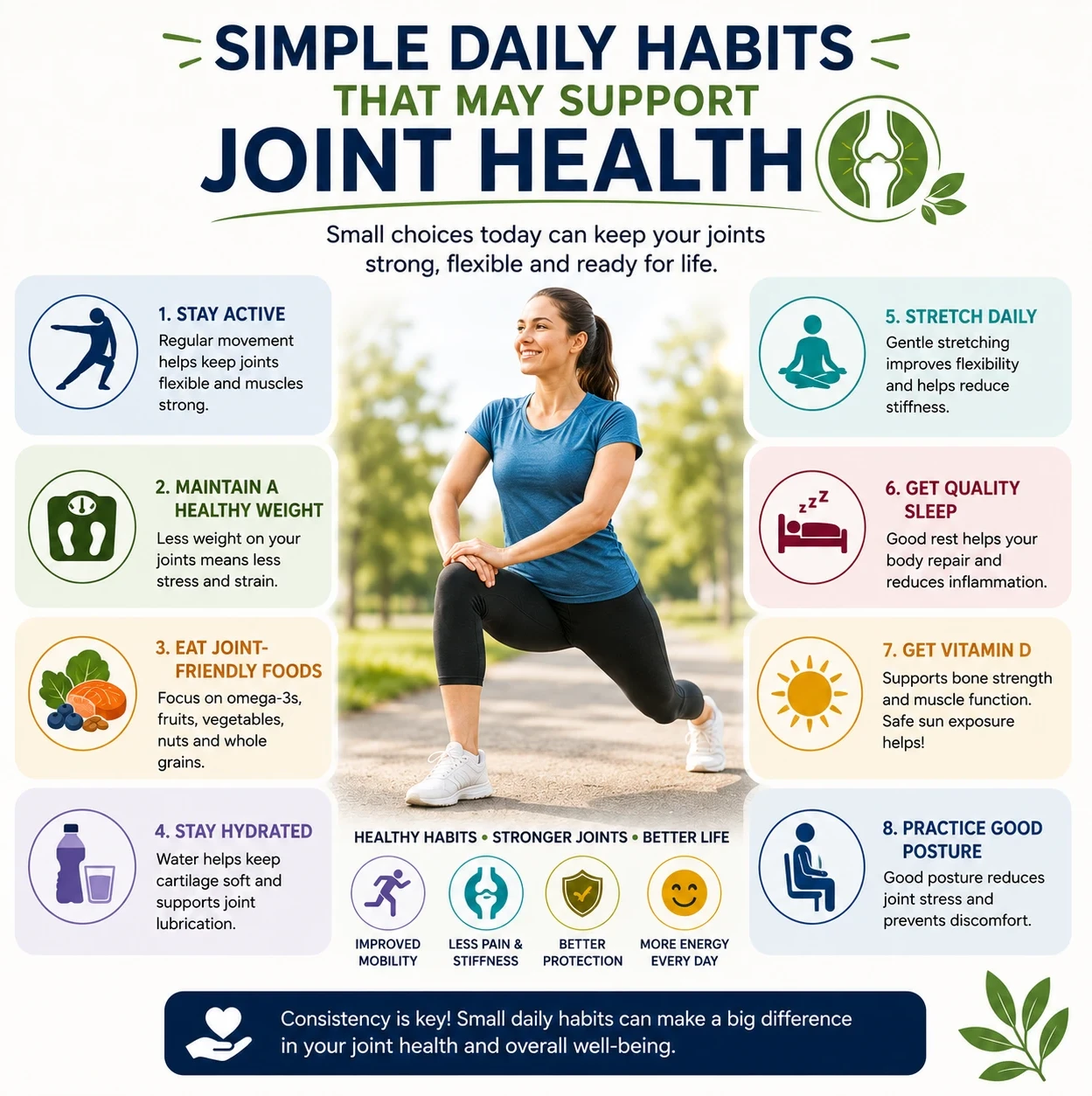
Simple Daily Habits That May Support Joint Health
Small daily habits often play a bigger role in long-term mobility than occasional intense efforts. Many people with arthritis focus only on pain relief during flare-ups, but consistent routines may help support flexibility, confidence, and overall joint function over time.
Helpful habits may include:
- Taking short walking breaks during the day
- Avoiding sitting in one position for long periods
- Using supportive footwear
- Stretching gently in the morning
- Staying hydrated
- Maintaining comfortable sleeping positions
- Balancing activity with recovery time
Many people find that symptoms worsen when they stop moving completely. Gentle movement throughout the day often feels more manageable than long exercise sessions performed inconsistently.
Building sustainable routines is usually more helpful than searching for one perfect solution.
How Inflammation Influences Joint Symptoms
Inflammation is one of the body’s natural protective responses, but ongoing inflammation may contribute to swelling, stiffness, and discomfort around the joints.
Inflammatory activity can sometimes increase because of:
- Stress
- Poor sleep
- Illness
- Lack of movement
- Overtraining
- Poor recovery habits
Some inflammatory conditions cause widespread fatigue alongside arthitis joint symptoms, which can make everyday tasks feel exhausting.
Reducing excessive strain on the body while maintaining regular movement may help support better long-term comfort.
The Importance of Muscle Strength Around the Joints
Muscles play an important role in supporting the body during movement. When muscles become weak from inactivity or long-term pain, joints may experience additional stress.
This is one reason strength-based exercise is often recommended gradually and carefully. Stronger muscles may help:
- Support balance
- Improve stability
- Reduce pressure through sensitive areas
- Improve walking confidence
- Support everyday movement
Strength work does not always mean heavy gym training. Many people begin with:
- Chair exercises
- Resistance bands
- Light bodyweight movements
- Water-based exercise
- Gentle mobility routines
Starting slowly and progressing gradually is often more sustainable than trying to push through pain aggressively.
Morning Stiffness and Reduced Mobility
Morning stiffness is one of the most common complaints linked to joint conditions. Many people feel particularly stiff after waking or after sitting for extended periods.
This stiffness may improve gradually once the body starts moving and circulation increases.
Helpful morning strategies may include:
- Gentle stretching before standing
- Warm showers
- Heat therapy
- Slow mobility exercises
- Short walks
- Hydration
Trying to move too quickly after long periods of rest may temporarily increase discomfort, especially during colder weather.
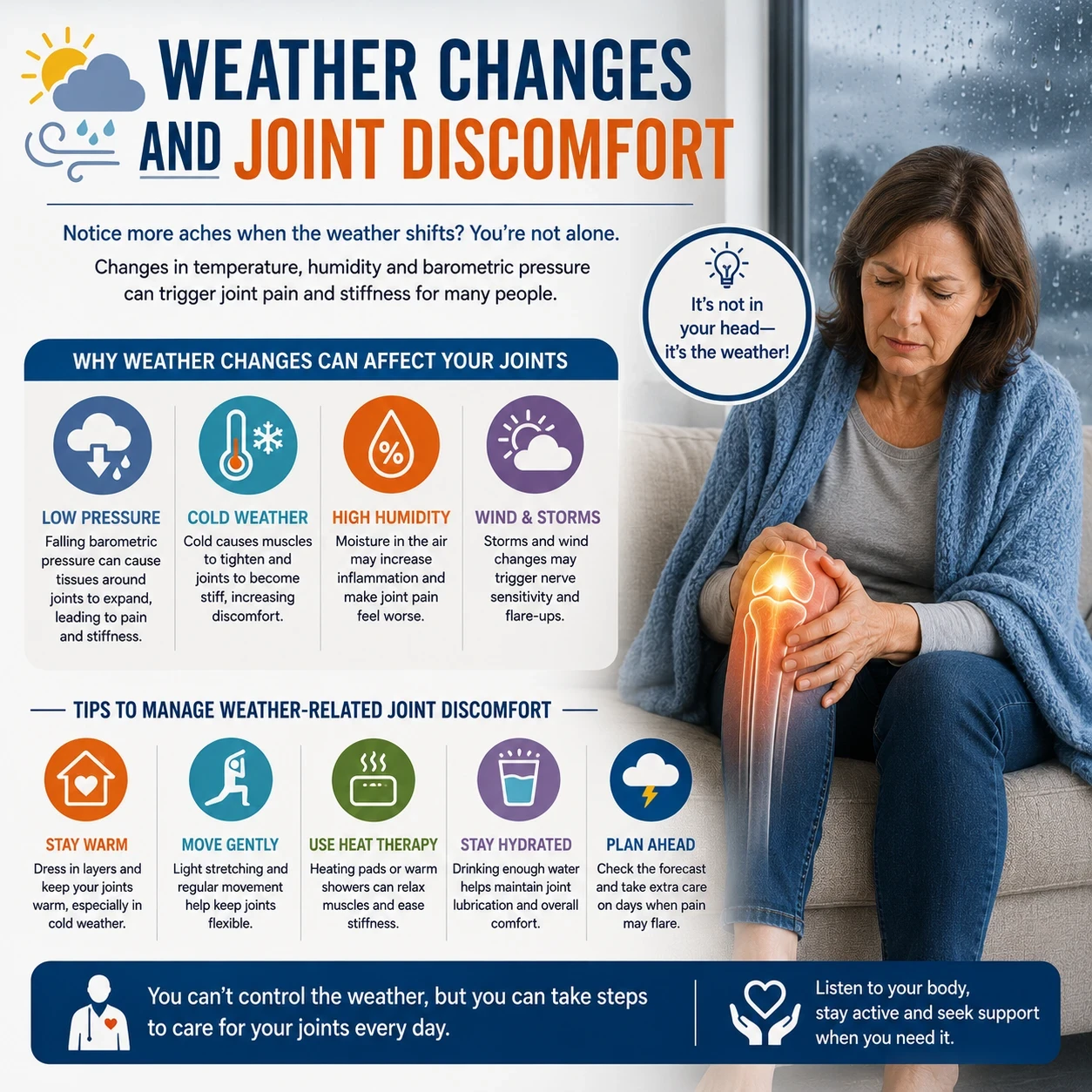
Weather Changes and Joint Discomfort
Many people report worsening stiffness and discomfort during damp or cold weather. Although research findings are mixed, weather sensitivity is commonly discussed by people living with ongoing joint problems.
Cold temperatures may encourage muscles to tighten, while reduced activity levels during winter months may also contribute to increased stiffness.
Some people find relief through:
- Warm clothing layers
- Heated blankets
- Warm baths
- Indoor walking
- Mobility exercises
- Heat therapy devices
Keeping the body moving consistently during colder periods may help reduce feelings of restriction and stiffness.
Staying Active Without Overdoing It
Finding the balance between movement and recovery can be difficult for arthritis sufferers.
Some people avoid activity completely because they fear causing damage, while others push too hard during good days and trigger flare-ups afterward.
Pacing is often one of the most helpful long-term strategies.
Pacing involves:
- Breaking larger tasks into smaller sections
- Taking short recovery breaks
- Avoiding repetitive strain for long periods
- Increasing activity gradually
- Listening to early warning signs from the body
This balanced approach may help support consistency without creating unnecessary setbacks.

Emotional Effects of Long-Term Joint Pain
Persistent discomfort can affect emotional wellbeing as well as physical movement. Many people experience frustration, stress, reduced confidence, or worry about future mobility.
Long-term symptoms may also affect:
- Social activities
- Work routines
- Sleep quality
- Exercise confidence
- Relationships
- Daily independence
Feeling isolated is common when symptoms continue for long periods. Support from healthcare professionals, family members, friends, or support groups may help people feel more confident and less overwhelmed.
Focusing on manageable daily improvements rather than perfection often creates a healthier long-term mindset.
Building a Long-Term Management Plan
Managing ongoing joint symptoms usually works best when multiple supportive strategies are combined together consistently.
A long-term approach may include:
- Regular movement
- Strength exercises
- Improved sleep routines
- Stress reduction
- Supportive therapies
- Healthy pacing habits
- Professional medical guidance when needed
Progress is rarely completely linear. Some weeks feel easier than others, and occasional flare-ups are common. However, consistent supportive habits may gradually improve movement confidence and overall quality of life over time.
Can Exercise Help Arthritis?
Gentle movement is one of the most important parts of long-term joint management. While excessive strain may aggravate symptoms, complete rest often makes stiffness feel worse.
Regular low-impact movement may help:
- Reduce stiffness
- Improve circulation
- Support flexibility
- Strengthen muscles
- Improve movement confidence
- Reduce flare-up frequency
Helpful forms of exercise may include:
- Walking
- Swimming
- Cycling
- Stretching
- Mobility exercises
- Strength training
- Chair-based exercise
Starting slowly is often important. Many people with arthritis benefit from shorter, more consistent movement sessions instead of intense exercise.
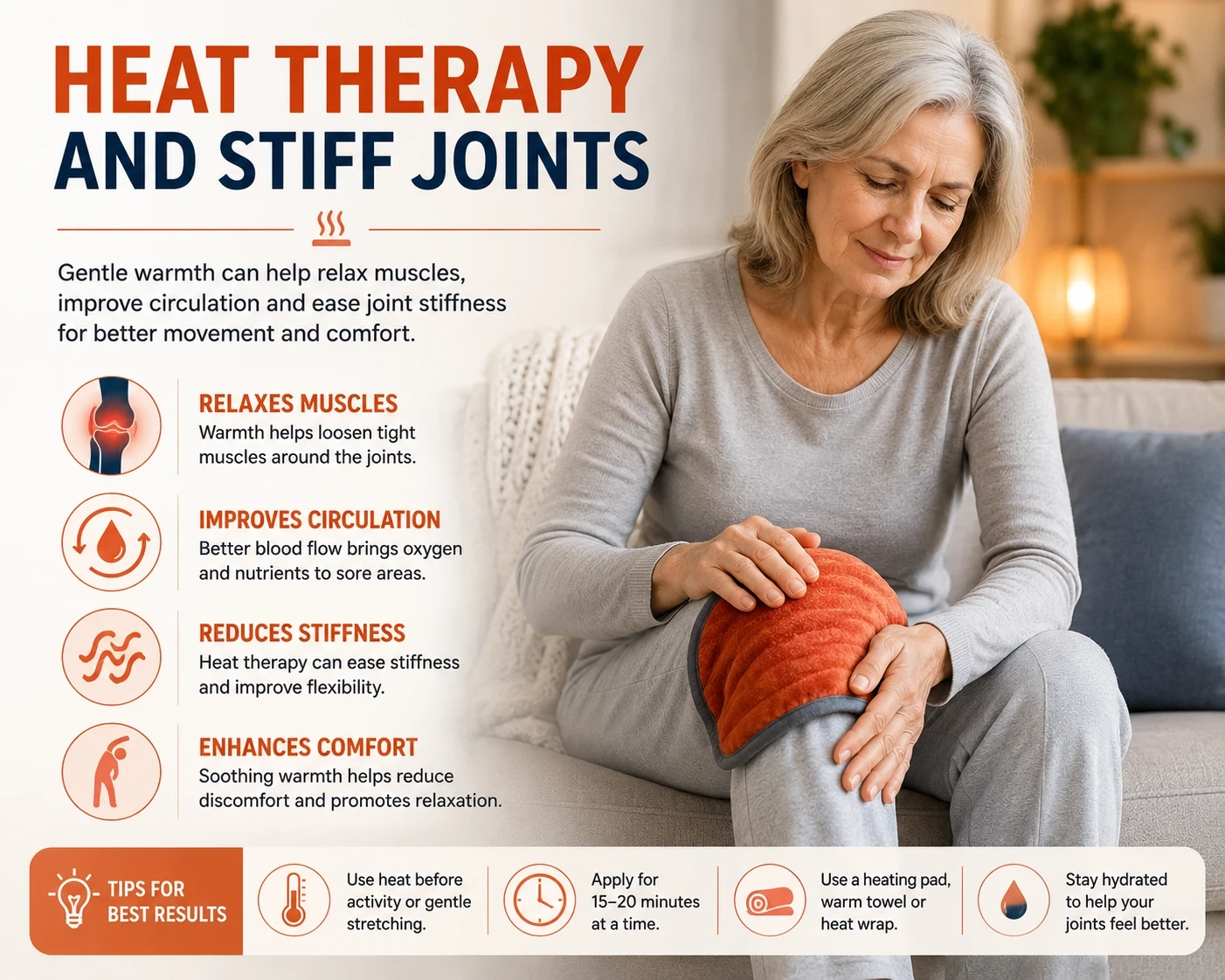
Heat Therapy and Stiff Joints
Heat therapy is commonly used to help stiffness and muscle tension. Warmth may encourage circulation and help joints feel less restricted.
People commonly use:
- Heating pads
- Infrared therapy
- Warm baths
- Heated wraps
- Microwavable heat packs
Warmth may feel particularly helpful in the morning when stiffness is strongest.
Check out Heat Therapy Solutions Here.
Some people also explore heat therapy approaches for foot pain when discomfort affects walking and standing.
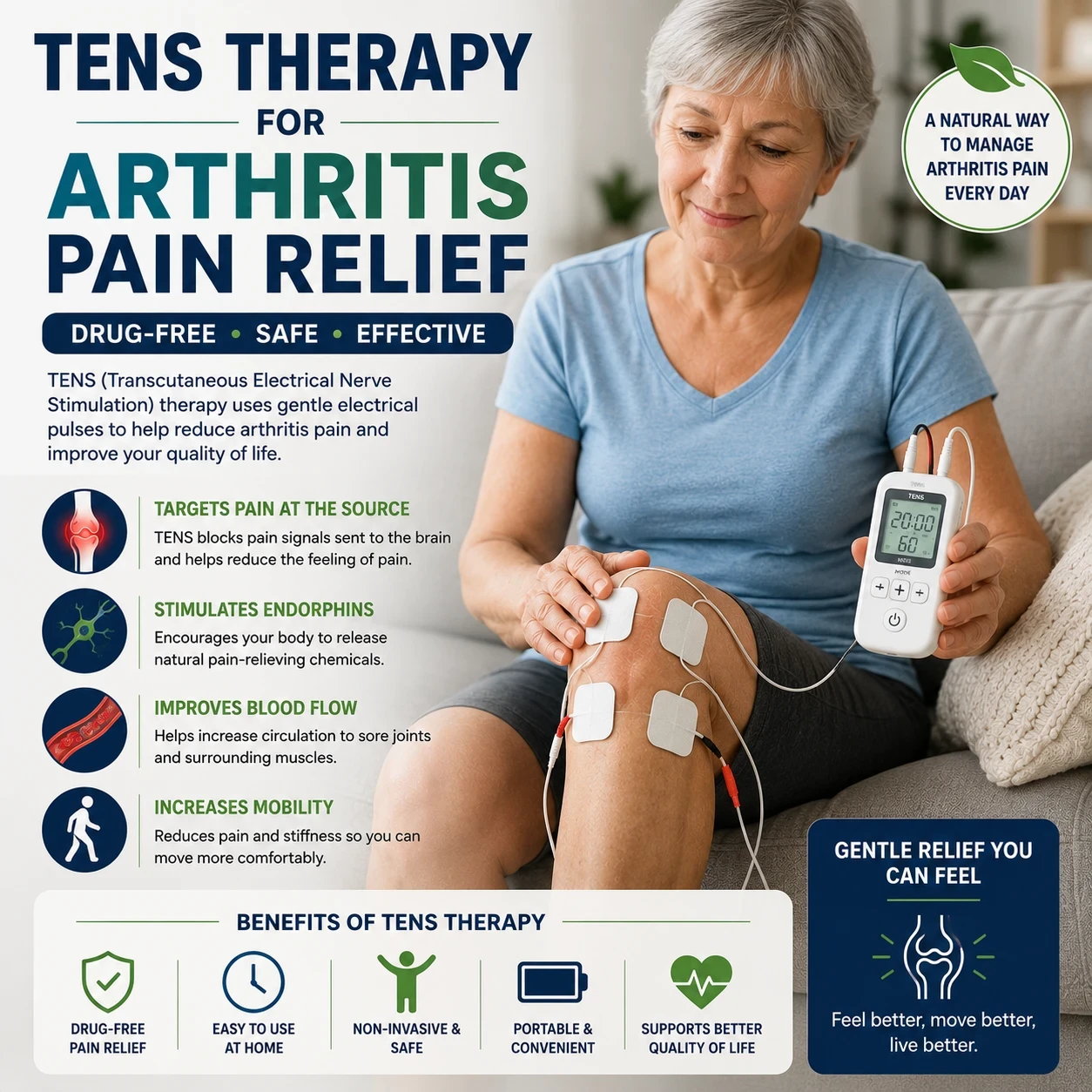
TENS Therapy
TENS therapy uses mild electrical stimulation to help influence pain signals. Some people use TENS machines alongside exercise, pacing strategies, and heat therapy.
TENS therapy may help:
- Reduce pain awareness
- Encourage movement
- Support flare-up management
- Reduce muscle tension
Results vary from person to person, but many people use TENS therapy as part of a broader management plan.
Check out Quality Assured TENS Therapy Devices Here.

CBD and Joint Support
CBD products are becoming increasingly popular among people looking for additional support options. Some individuals use CBD oils, creams, or balms to support relaxation and recovery.
Products commonly used include:
- CBD oil
- CBD muscle balms
- CBD creams
- CBD gummies
Many people combine CBD with movement, pacing strategies, sleep improvement, and heat therapy rather than relying on one single approach.
Check out Top Quality Assured CBD arthritis pain relief products Here.
Weight and Joint Stress
Excess body weight may place additional pressure on the knees, hips, and lower back. Even small reductions in body weight may help reduce stress through these areas over time.
However, management should never focus entirely on weight alone. Inflammation, sleep, movement confidence, nervous system sensitivity, and muscle strength all play important roles.
Sleep and Recovery
Many people struggle with sleep because of arthritis pain, stiffness, or difficulty finding comfortable positions.
Poor sleep can increase inflammation sensitivity and make symptoms feel worse the following day.
Improving sleep habits may help support recovery:
- Consistent sleep routines
- Reducing evening stress
- Supportive mattresses or pillows
- Gentle evening stretching
- Warm baths before bed
- Heat therapy
Stress and Inflammation
Stress does not directly cause joint disease, but it can influence inflammation, muscle tension, sleep quality, and nervous system sensitivity.
Many people notice symptoms worsen during stressful periods.
Helpful stress management approaches may include:
- Walking
- Breathing exercises
- Meditation
- Yoga
- Spending time outdoors
- Gentle routines
- Relaxation practices
Living Well With Arthritis
Although persistent joint problems can be frustrating and unpredictable, many people continue living active and fulfilling lives while managing symptoms successfully.
Long-term management often involves:
- Consistent movement
- Joint protection strategies
- Managing flare-ups early
- Improving sleep quality
- Reducing stress
- Staying socially active
- Finding sustainable routines
Progress is often gradual rather than immediate. Small daily improvements may become meaningful over time.
When to Seek Medical Advice
Anyone experiencing persistent joint pain, swelling, or stiffness should consider professional medical assessment.
Seek medical advice if symptoms include:
- Sudden severe swelling
- Loss of movement
- Joint redness or heat
- Unexplained fatigue
- Rapid worsening symptoms
- Difficulty walking
- Persistent night pain
Early assessment may help identify the specific condition and support better long-term management.
Frequently Asked Arthritis Questions
Is arthritis caused by aging?
Aging can increase risk, but these conditions are not simply a normal part of getting older. Inflammation, injuries, genetics, and lifestyle factors may all contribute.
Can arthritis be cured?
There is currently no universal cure, but many people successfully manage symptoms through movement, treatment strategies, pacing, and lifestyle changes.
Does weather affect joint pain?
Many people report symptoms worsen during cold or damp weather, although individual experiences vary.
Should people avoid exercise?
Complete rest often increases stiffness. Gentle, appropriate movement is usually considered helpful for long-term joint function.
What is the most common type?
Osteoarthritis is the most common form and is frequently linked to gradual cartilage wear within the joints.
Can younger people develop arthritis?
Yes. Although these conditions are more common with age, younger adults and children can also develop inflammatory joint disorders.
Understanding Arthritis More Clearly
Arthritis is not just about aging joints or occasional aches. It is a complex condition that can affect movement, confidence, sleep, activity levels, and overall wellbeing. The good news is that many people improve their quality of life significantly by understanding symptoms more clearly and building sustainable daily habits around movement, pacing, recovery, and joint support.
Rather than relying on one single solution, long-term management often works best when multiple approaches are combined together consistently.
Scientific research:





4 Comments
Wow, I didn’t realize there are so many conditions involved with joint pain, so rather than assuming it is arthritis, make sure by going for a medical check up in order to get the right treatment. The list of simple daily habits can also be a huge help long term, especially the keeping active part.
I was just wondering if there are any specific foods to avoid to ensure that your risk for joint problems are minimized?
Hi Michel,
There are foods to eat and avoid when dealing with arthritis. That is for another day. Thank you Fintan
My husband has been struggling with joint pains for a while now, and they always seem to get worse during the cold seasons. Reading about how weather changes can influence stiffness and discomfort really resonated with me; it explains so much of what we see him go through. I also appreciate the practical suggestions like heat therapy and gentle movement, which feel more manageable than trying to push through the pain.
Among the daily habits you mentioned, which do you think makes the biggest difference in keeping joints more comfortable during colder months?
Hi Celia,
Thank you. I believe that heat therapy would be a benefit for sore joints during the cold weather.