What happens if folic acid is low
What happens if folic acid is low is something many people only discover after persistent fatigue or unexplained symptoms begin to interfere with daily life.
Folic acid, also known as vitamin B9, plays a central role in red blood cell production, DNA synthesis, nervous system support, and cellular repair.
When levels drop, the effects can range from mild to more serious over time.
Understanding what happens if folic acid is low helps you act early before symptoms progress.

What Is Folic Acid?
Folic acid is the synthetic form of folate, a water-soluble B vitamin found naturally in leafy greens, legumes, citrus fruits, and fortified grains.
Because it dissolves in water, the body does not store large amounts. That means consistent intake is essential.
Folate supports:
• Healthy red blood cell formation
• DNA production and repair
• Brain and nervous system function
• Proper cell division
When intake is inadequate or absorption is impaired, what happens if folic acid is low becomes more noticeable.
How Folic Acid Works in the Body
Folate helps produce red blood cells that carry oxygen throughout the body.
It also works closely with vitamin B12 in maintaining healthy nerve function and regulating homocysteine levels.
When folate levels fall, red blood cells can become enlarged and inefficient.
This condition, known as megaloblastic anemia, reduces oxygen delivery and contributes to fatigue and weakness.
Because symptoms overlap with other deficiencies, proper testing is important.

What Happens If Folic Acid Is Low: Early Signs
In the early stages, symptoms are often subtle.
Common early signs include:
• Persistent tiredness
• Low energy
• Pale skin
• Mild dizziness
• Shortness of breath
• Irritability
These symptoms are easy to dismiss. However, if they persist, it’s worth reviewing the full list of symptoms of low folic acid levels to see whether a pattern is forming.
Moderate and Progressive Symptoms
If deficiency continues, symptoms may intensify.
What happens if folic acid is low for longer periods can include:
• Mouth sores
• Swollen tongue
• Digestive discomfort
• Poor appetite
• Brain fog
• Difficulty concentrating
Cognitive changes can feel frustrating and affect work performance or daily focus. Over time, untreated deficiency may significantly reduce overall wellbeing.
Severe Effects of Long-Term Deficiency
In advanced cases, anemia may become pronounced. Symptoms can include:
• Rapid heartbeat
• Extreme fatigue
• Weakness
• Reduced exercise tolerance
During pregnancy, low folate levels increase the risk of neural tube defects.
That is why supplementation is strongly recommended before and during early pregnancy. Learning more about folic acid levels and women’s health provides important context for long-term protection.

Who Is at Higher Risk?
Some individuals are more vulnerable to deficiency.
Higher-risk groups include:
• Pregnant women
• People with digestive disorders
• Individuals with alcohol dependence
• Those on restrictive diets
• People taking certain medications
Absorption issues may also play a role. If you’re unsure, understanding how to identify folic acid deficiency can help guide next steps.

Testing and Diagnosis
A simple blood test can measure folate levels.
Healthcare providers often test vitamin B12 at the same time because symptoms can overlap.
If anemia is suspected, red blood cell size and hemoglobin levels may also be evaluated.
Early testing makes correction much easier.
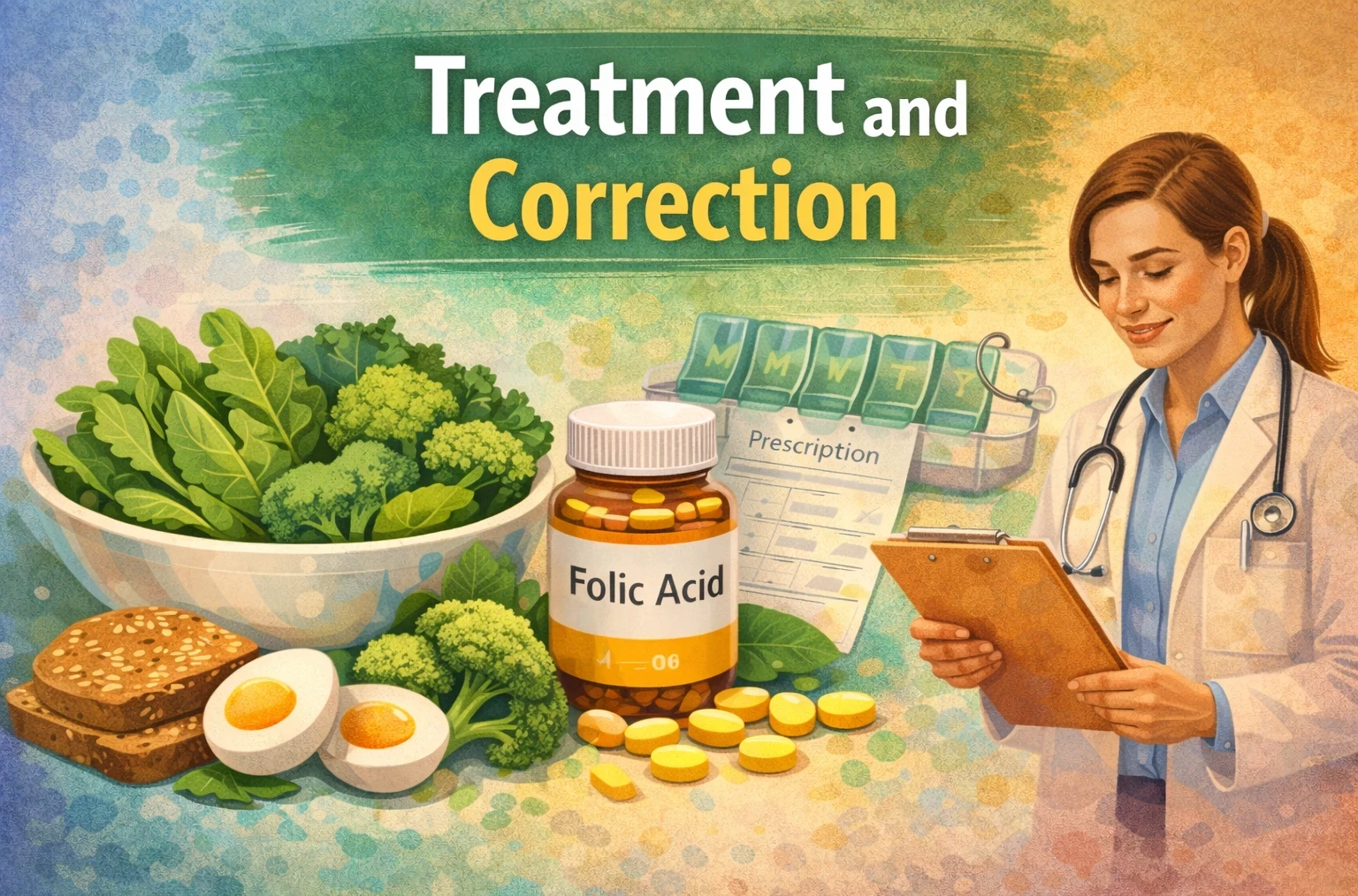
Treatment and Correction
The encouraging part is that folate deficiency is usually reversible.
Treatment may include:
• Increasing folate-rich foods
• Oral folic acid supplementation
• Addressing digestive or absorption issues
Many people notice improvements within weeks of consistent intake. If you’re exploring dietary strategies, this guide on how to increase folic acid intake outlines practical steps.
Secondary Health Impacts
Beyond anemia, low folate has been associated with elevated homocysteine levels, which may influence cardiovascular health.
Some research also suggests a relationship between folate status and mood regulation.
While more evidence is needed, what happens if folic acid is low may extend beyond energy and blood health into broader neurological wellbeing.
Safety and Supplement Considerations
Although supplementation is generally safe, very high doses can mask vitamin B12 deficiency.
For that reason, professional guidance is recommended if symptoms are significant.
Most adults require around 400 micrograms daily. Pregnant women may require more under medical supervision.
Balanced nutrition should always remain the foundation.

Limitations and Balanced Perspective
Not every case of fatigue or brain fog is caused by folate deficiency.
Iron deficiency, thyroid disorders, chronic stress, and sleep disruption can present similarly.
What happens if folic acid is low varies depending on severity, duration, and overall health.
That is why proper assessment is essential before assuming the cause.
Final Thoughts
What happens if folic acid is low often begins quietly with subtle fatigue or reduced concentration.
If left unaddressed, it can progress to anemia and broader health concerns.
The good news is that early awareness allows simple intervention.
Proper testing, improved nutrition, and appropriate supplementation can restore healthy levels and support long-term wellbeing.
Small nutrients matter. Paying attention to them can make a meaningful difference.
Scientific Study Links
https://pubmed.ncbi.nlm.nih.gov/25959236/
https://pubmed.ncbi.nlm.nih.gov/22254022/