CBD Effects On Endocannabinoid System More effects than you can imagine
CBD Effects on Endocannabinoid System
CBD effects on endocannabinoid system are receiving growing attention as scientists study how the body regulates pain signaling, inflammation, sleep patterns, and emotional balance.
The endocannabinoid system (ECS) acts as an internal regulatory network that helps coordinate many biological processes so the body can maintain stability.
Unlike compounds that directly stimulate receptors, CBD appears to influence how this system balances its own chemical messengers.
Because of this indirect interaction, researchers continue exploring how cannabinoids interact with the body’s natural signaling pathways.
Understanding the ECS helps explain why CBD is frequently discussed in relation to natural approaches to inflammation and persistent discomfort.
Green Roads mission is to help every person to be the best version of themselves. That’s why Green Roads work so hard on CBD products design and quality to bring out the best in you

A Closer Look at the Endocannabinoid System
Understanding CBD effects on endocannabinoid system begins with understanding the role of the ECS itself.
The human body constantly adapts to change.
Stress, physical activity, sleep cycles, and immune responses all influence internal balance. The ECS helps regulate these adjustments so the body can maintain stable function.
This system relies on three core elements:
• naturally produced endocannabinoids
• receptors that receive signaling molecules
• enzymes that break down those signals once their job is complete
Two receptors are particularly important.
CB1 receptors are concentrated mainly in the brain and nervous system. These receptors influence how the body processes pain signals, appetite, memory, and emotional responses.
CB2 receptors appear mostly within immune tissues and peripheral organs. Their activity is closely linked to inflammation and immune system regulation.
Because inflammation and discomfort often overlap, some individuals also explore complementary strategies such as natural pain relief supplements when researching ways to support overall joint and tissue health.
For Quality Assured CBD products go to Green Roads here.
How CBD Influences ECS Communication
A central aspect of CBD effects on endocannabinoid system involves the way CBD interacts with the body’s natural signaling compounds.
Many cannabinoids activate ECS receptors directly. CBD behaves differently. Instead of strongly binding to receptors, it appears to influence how the system regulates its own signaling molecules.
One molecule receiving significant research attention is anandamide, an endocannabinoid associated with mood balance and pain regulation.
Normally, an enzyme known as FAAH breaks down anandamide relatively quickly.
Some research suggests CBD may slow this process, allowing anandamide to remain active longer within ECS signaling pathways.
This indirect interaction may influence how the body maintains balance across several biological systems.
Quality Assured CBD products here at Green Roads
How CBD May Influence Pain Processing
Another important area of research into CBD effects on endocannabinoid system involves how the nervous system processes pain signals.
Pain perception involves communication between nerves, the spinal cord, and several regions of the brain. Multiple receptor systems contribute to how these signals are interpreted.
CBD appears to interact with several pathways involved in sensory regulation.
These include:
• TRPV1 receptors associated with pain detection
• serotonin receptors involved in emotional balance
• signaling pathways connected to stress responses
Because these systems interact with ECS signaling, researchers continue exploring how cannabinoids may influence the body’s response to discomfort.
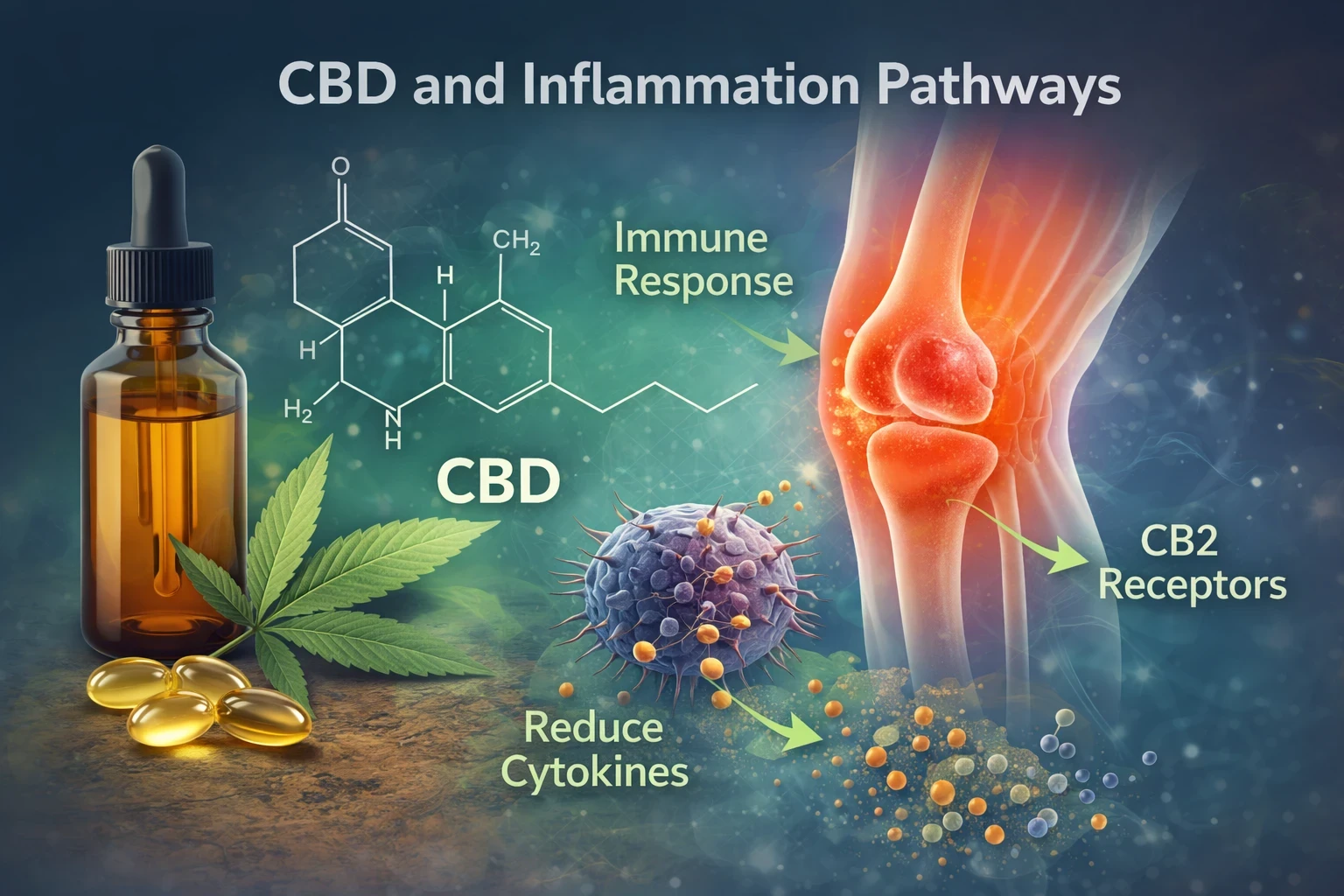
CBD and Inflammation Pathways
Research on CBD effects on endocannabinoid system often focuses on inflammation.
Inflammation is part of the body’s natural defense mechanism used to repair tissues after injury or stress.
However, when inflammation becomes prolonged it may contribute to ongoing discomfort in joints, muscles, and connective tissues.
CB2 receptors play an important role in regulating immune cell activity. CBD appears to influence several processes related to these receptors.
Scientists studying cannabinoids suggest CBD may affect inflammation through mechanisms such as:
• influencing cytokine signaling
• supporting CB2 receptor communication
• helping reduce oxidative stress within tissues
These interactions help explain the growing scientific interest in the broader CBD oil benefits for inflammation discussed in current research.
Effects on Stress and Sleep Regulation
The CBD effects on endocannabinoid system may extend beyond inflammation and pain signaling.
The ECS interacts with brain systems responsible for stress responses and relaxation.
Because CBD influences ECS communication, researchers are examining whether it may help support emotional balance and sleep stability.
Areas currently being explored include:
• relaxation responses during stress
• improved nervous system balance
• stabilization of sleep cycles
• recovery following physical strain
Since sleep quality often affects pain sensitivity and immune health, these interactions remain an important area of study.

Types of CBD Products
CBD products are available in several forms, and each type enters the body differently.
Common options include:
CBD oils and tinctures
Liquid extracts taken under the tongue for relatively quick absorption.
Capsules and softgels
Provide consistent dosing but may absorb more slowly.
Topical CBD creams
Applied directly to the skin for localized support.
CBD edibles
Such as gummies or infused foods.
Go to Green Roads for the best quality assured CBD products
When evaluating products, many individuals research the best CBD oil for inflammation to identify options that provide third-party testing and transparent ingredients.
Why Individual Responses Differ
The CBD effects on endocannabinoid system can vary between individuals.
Several factors may influence how someone responds to CBD:
• body chemistry and metabolism
• product concentration and formulation
• frequency of use
• overall health conditions
Because responses differ, many people begin with smaller amounts and adjust gradually.
Over time, consistent use may influence how the ECS responds to cannabinoids.
Safety and Product Quality
CBD is generally considered well tolerated when used responsibly. However, product quality and proper dosing remain important considerations.
Key factors to keep in mind include:
• possible interactions with medications
• differences in product purity
• variations in cannabinoid concentration
Individuals researching cannabinoids for joint discomfort often review information about CBD oil for arthritis pain relief while comparing available products.
Choosing products that provide independent laboratory testing and clear ingredient labeling is recommended.
A Balanced Perspective
Research into CBD effects on endocannabinoid system continues to develop as scientists gain a deeper understanding of how the ECS influences health.
This regulatory system plays a role in pain signaling, immune responses, sleep cycles, and emotional balance.
Rather than acting as a direct receptor activator, CBD appears to influence how the body’s own signaling molecules function within this system.
Although more clinical studies are still needed, understanding the ECS provides valuable insight into how cannabinoids may interact with the body’s natural balancing mechanisms.
Scientific Studies
https://pubmed.ncbi.nlm.nih.gov/28861431/
https://pubmed.ncbi.nlm.nih.gov/18404144/