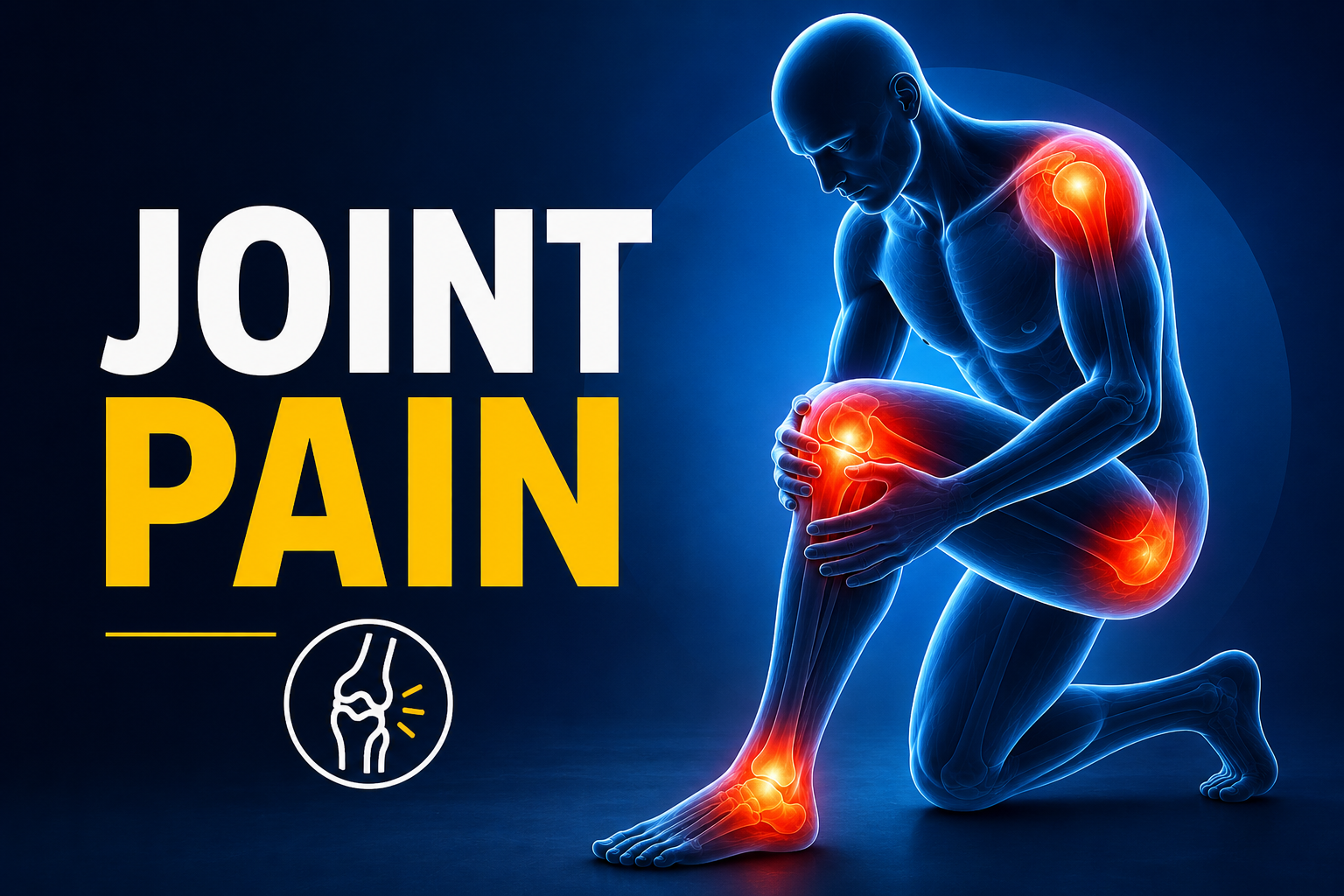
Joint Pain Explained: Causes, Relief, and Long-Term Solutions
Joint pain is one of the most common reasons people struggle with daily movement, yet it is often misunderstood. It can begin as mild stiffness or discomfort and gradually develop into something that affects walking, lifting, sleep, and overall quality of life. Understanding joint pain clearly is the first step toward reducing it and regaining confidence in your body.
What Is Joint Pain?
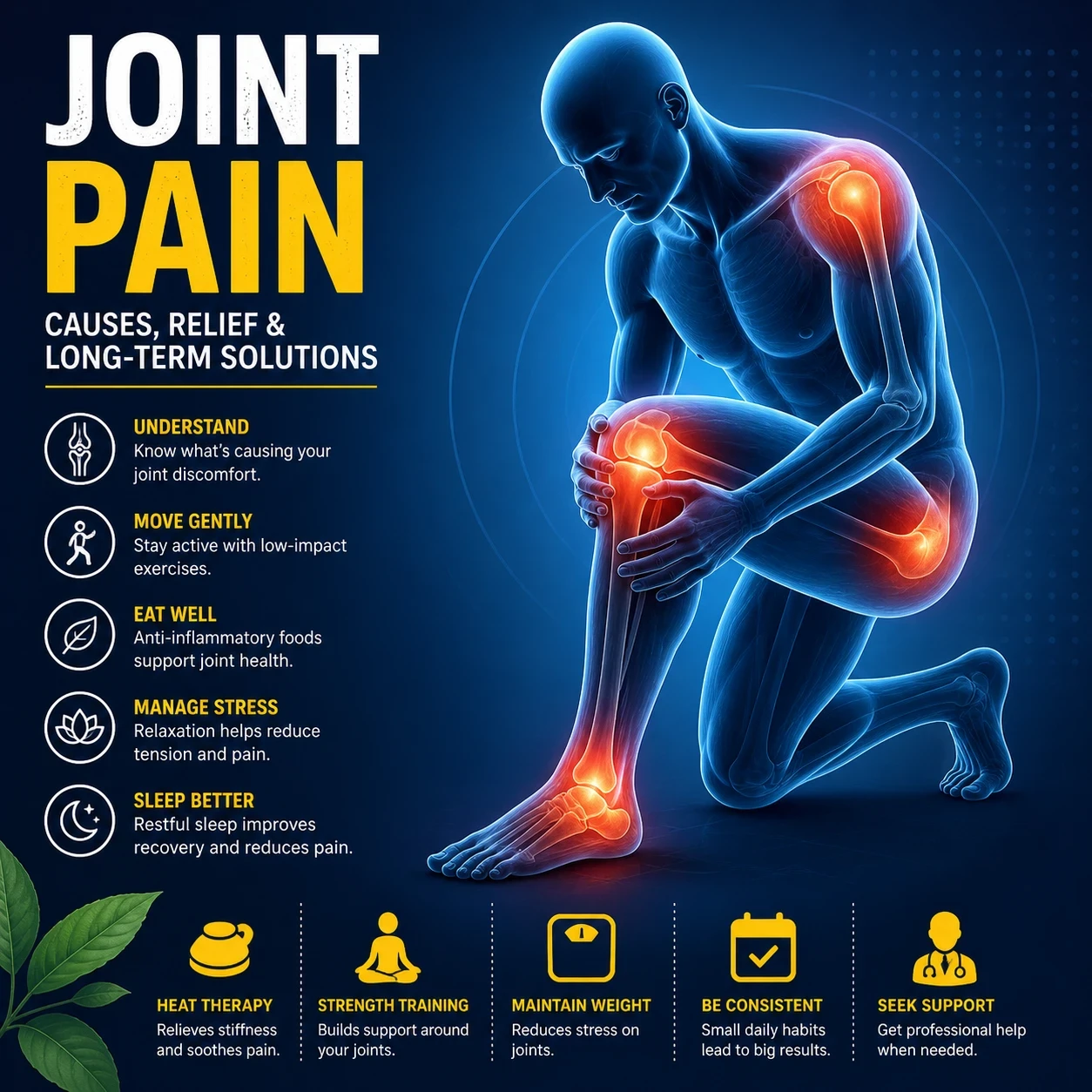
Joint pain refers to discomfort, stiffness, or soreness in the areas where two bones meet. These structures allow movement, flexibility, and stability. When problems develop, it usually means that something is affecting normal function, such as inflammation, wear and tear, or irritation of surrounding tissues.
In many cases, symptoms are not caused by a single issue. Instead, they build over time due to a combination of physical stress, reduced movement, and changes within the body. This is why discomfort can feel unpredictable and sometimes difficult to manage.
Types of Joint Pain
Not all symptoms feel the same. Understanding different types can help guide the most effective approach to relief.
- Acute joint pain that appears suddenly after strain or injury
- Chronic symptoms that last for weeks or longer
- Inflammatory patterns linked to swelling and sensitivity
- Mechanical discomfort related to movement and load
Each type responds differently to treatment, which is why a personalised approach is often most effective.
Common Causes
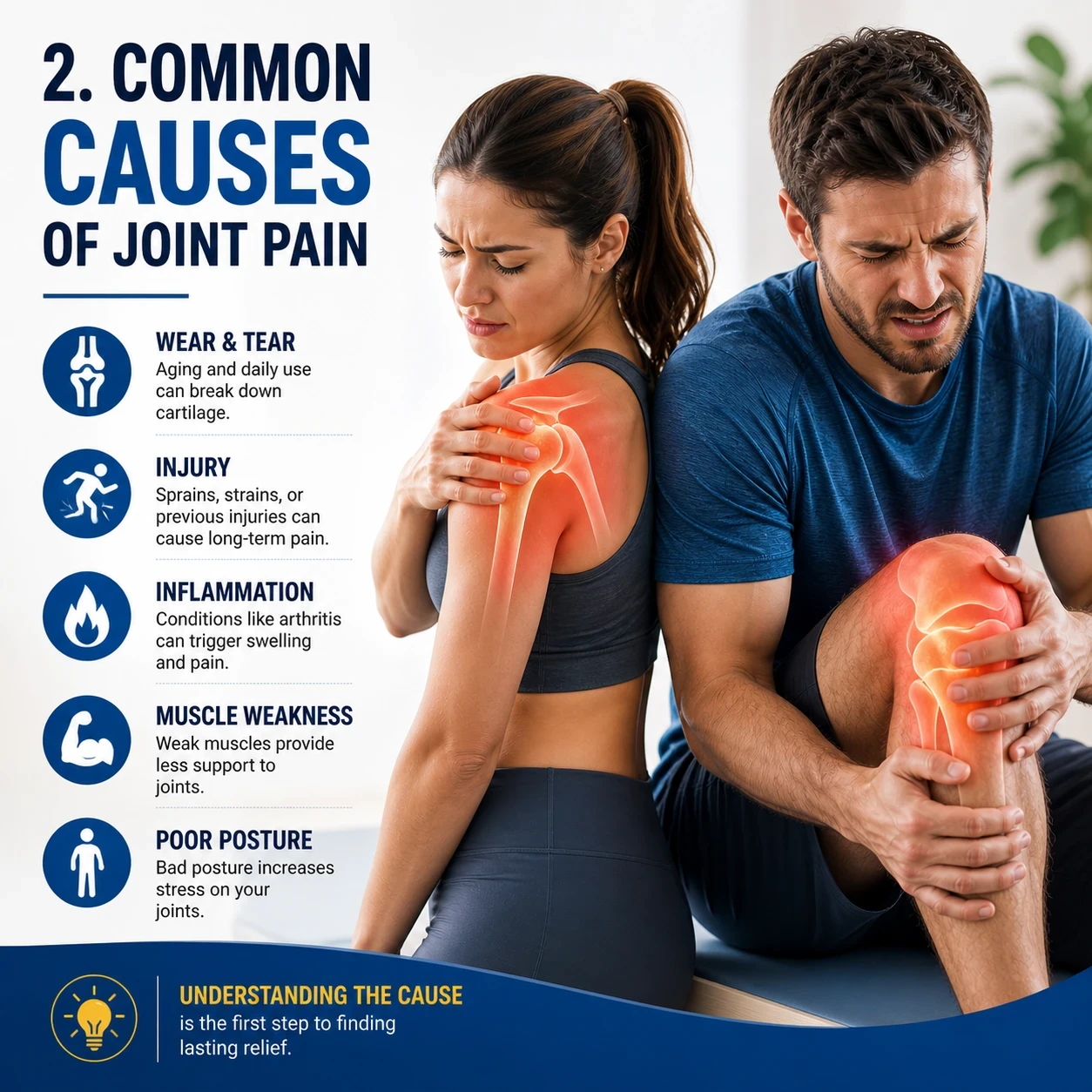
There are several reasons why joint pain develops, and understanding these causes can help guide the right approach to relief.
- Wear and tear from daily activity
- Inflammation within the joint
- Previous injuries that have not fully healed
- Muscle weakness around the area
- Poor movement patterns or posture
- Autoimmune conditions such as arthritis
Many people dealing with ongoing discomfort also experience wider body issues. Understanding what chronic pain really means can help explain why symptoms sometimes spread or last longer than expected.
Why It Becomes Chronic
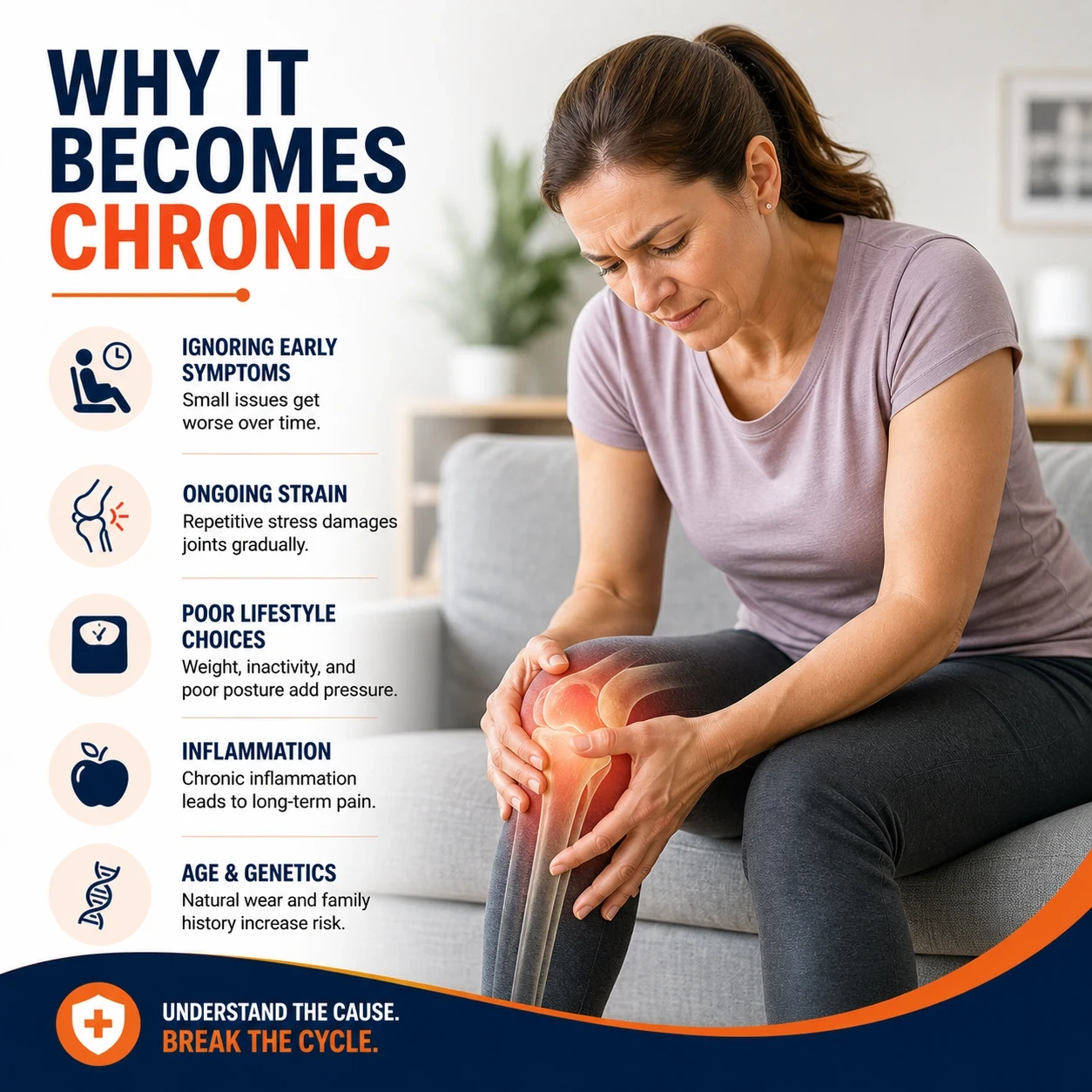
Joint pain can become chronic when the body remains in a cycle of irritation and sensitivity. This does not always mean there is ongoing damage. In many cases, the nervous system becomes more alert, making symptoms feel stronger and more persistent.
This is where nerve pain and sensitivity can overlap with structural discomfort. The body learns to protect the area, sometimes leading to stiffness, reduced movement, and ongoing issues.
Inflammation and Sensitivity
Inflammation plays a major role in joint pain. When the body detects irritation or stress within a structure, it sends signals that increase fluid and sensitivity in the area. While this process is designed to protect, it can also increase stiffness and discomfort.
Long-term inflammation is often linked to lifestyle factors such as reduced movement, stress, and poor recovery. Addressing these factors is key to improving symptoms over time.

Ageing and Joint Health
As the body ages, joint pain becomes more common due to gradual changes in cartilage, muscle strength, and joint lubrication. These changes do not automatically lead to severe symptoms, but they can make structures more sensitive to stress.
Cartilage acts as a cushion between bones. Over time, this cushioning can become thinner, increasing friction and contributing to discomfort. Muscles around the area can also weaken, reducing support and stability.
Staying active and maintaining strength can reduce the impact of ageing, helping the body remain more stable and supported over time.
Why Symptoms Feel Worse at Night
Many people notice that joint pain feels worse at night. This can happen because the body is less active, leading to increased stiffness. Reduced distraction and heightened sensitivity can also make symptoms feel more noticeable.
Improving sleep position, using supportive pillows, and applying gentle heat before bed can help reduce nighttime discomfort and improve rest.

Most Common Areas Affected
Joint pain can affect any part of the body, but certain areas are more commonly involved due to the amount of load they carry.
- Knees from walking and weight-bearing activity
- Hips due to posture and movement patterns
- Shoulders from repetitive use
- Hands and fingers from daily tasks
- Ankles from balance and mobility demands
If you are already dealing with lower body discomfort, understanding why pain develops in surrounding areas can help explain how problems often connect across the body.
Comparison With Other Pain Types
Joint pain is often confused with muscle or nerve-related discomfort. While they can feel similar, they have different underlying causes.
Structural discomfort is usually linked to stiffness, aching, or reduced movement. Muscle issues often feel tight or sore, while nerve-related discomfort may feel sharp, burning, or tingling.
Understanding these differences helps guide better management and prevents unnecessary worry.
What Makes Symptoms Worse
Certain factors can increase joint pain and make it harder to manage.
- Long periods of inactivity
- Overuse without recovery
- Poor sleep quality
- High stress levels
- Sudden increases in physical activity
Reducing these triggers can make a noticeable difference in how symptoms feel day to day.
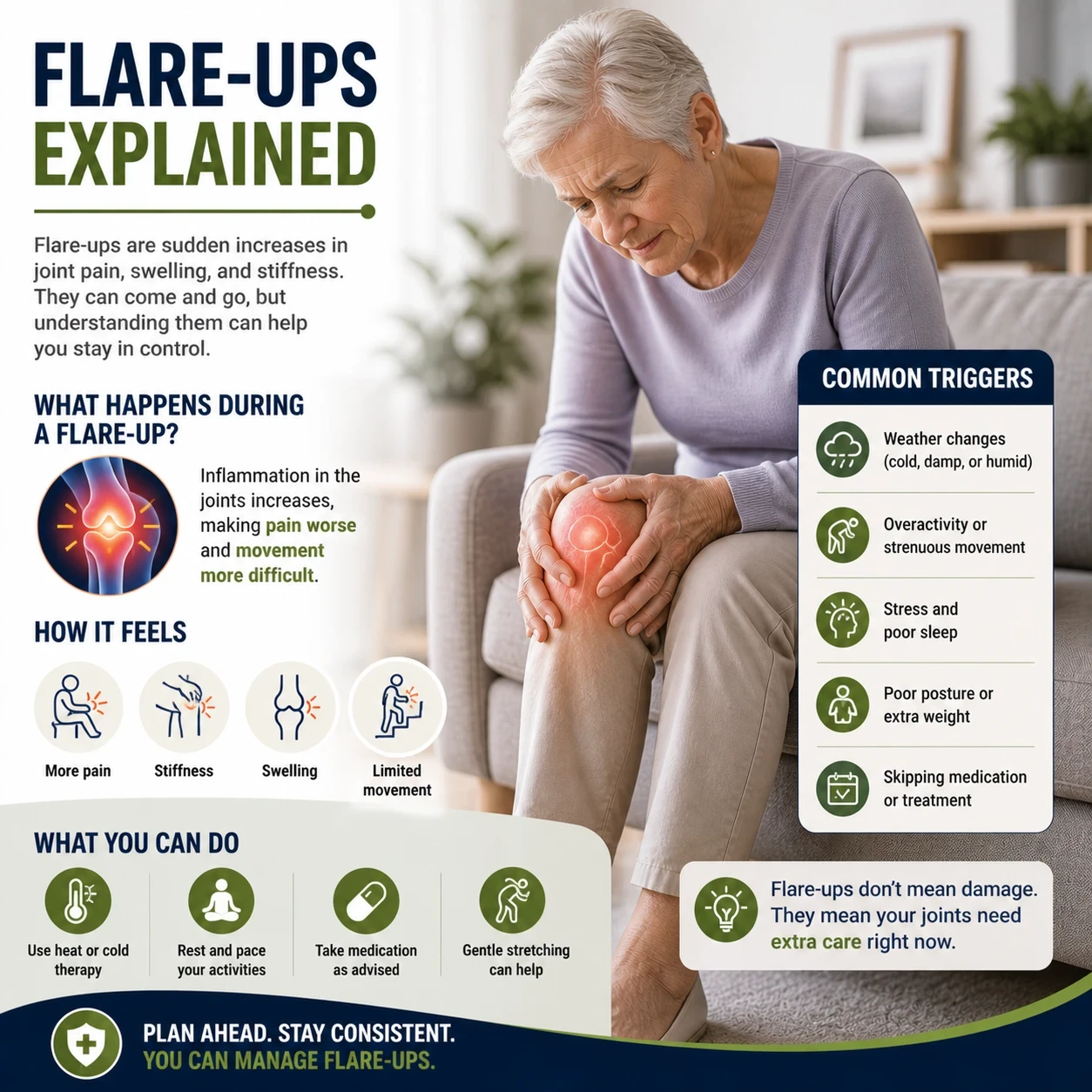
Flare-Ups Explained
Joint pain often comes in waves, with periods of improvement followed by flare-ups. These flare-ups can be triggered by activity changes, stress, or reduced movement.
Managing flare-ups involves reducing load, maintaining gentle movement, and allowing the body to settle.
How the Body Adapts to Joint Pain
The body can become more sensitive over time. This is sometimes referred to as pain learning, where the nervous system becomes more responsive to signals from the affected area.
Reducing sensitivity through gradual movement, relaxation techniques, and consistent activity can help calm this response.
Nutrition and Joint Health
Diet can influence inflammation levels and affect joint pain. Certain foods may increase inflammation, while others support recovery.
- Processed foods may increase discomfort
- Refined sugars may contribute to inflammation
- Omega-3 rich foods may support recovery
- Vegetables provide essential nutrients
- Natural spices may support overall balance
Improving diet quality can support long-term wellbeing.
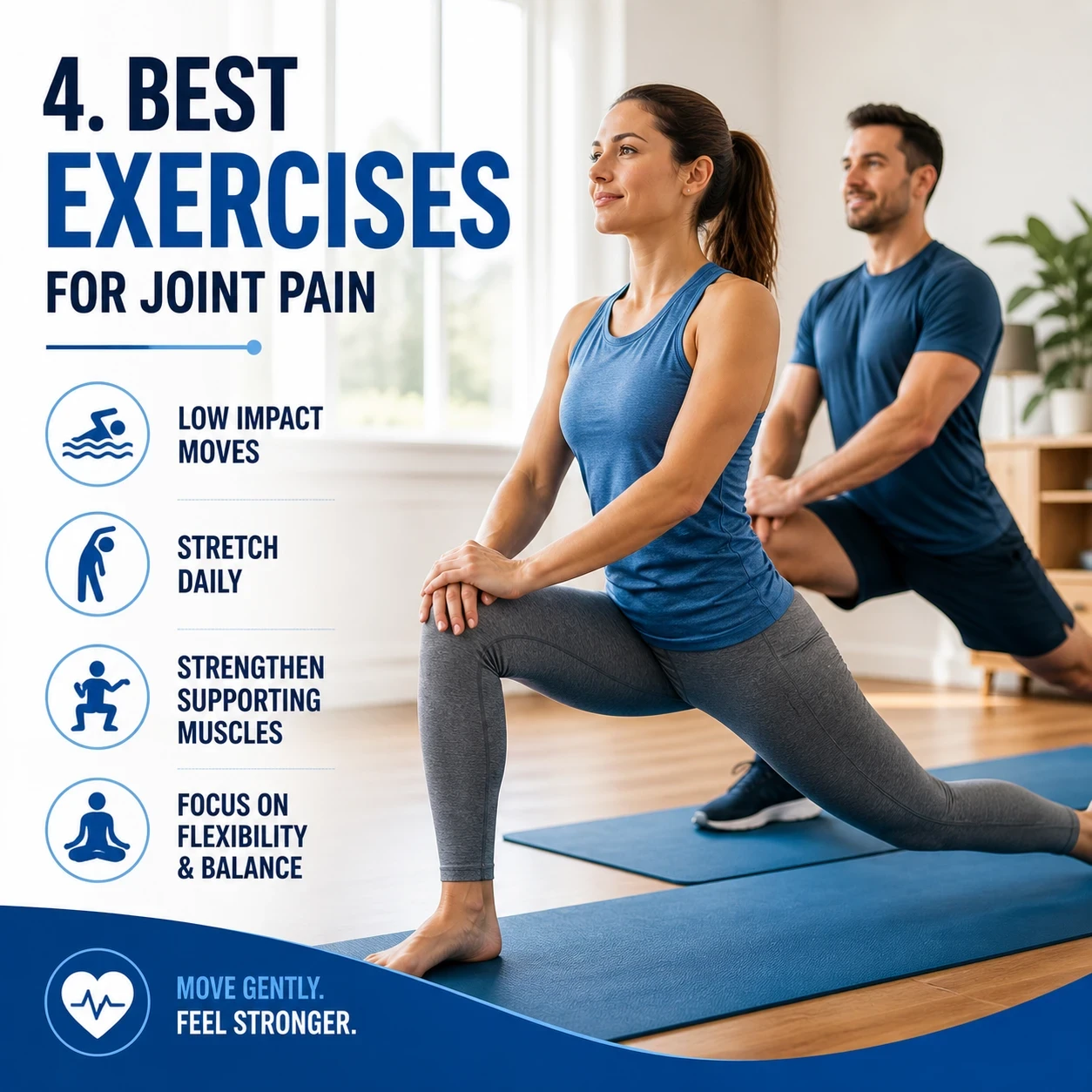
Best Exercises for Joint Pain
Exercise plays a key role in managing joint pain. The goal is not to push through discomfort, but to rebuild strength and movement gradually.
Low-impact activities such as walking, swimming, or cycling help maintain mobility without placing excessive stress on the joints. These activities also improve circulation, which supports recovery.
Strength training is equally important. Building muscle around the joint creates stability and reduces the load placed directly on the joint structures. This helps reduce long-term discomfort and improves confidence in movement.
Mobility exercises focus on controlled movement through a comfortable range. These exercises help maintain flexibility and prevent stiffness from building up over time.
Consistency matters more than intensity. Short, regular sessions are far more effective than occasional intense workouts. Over time, these habits help reduce symptoms and improve overall function.
Simple Daily Movement Routine
A simple routine can make a significant difference. Start with gentle range-of-motion exercises in the morning to reduce stiffness. Follow this with light activity such as walking or stretching.
During the day, avoid staying in one position for too long. Regular movement breaks help maintain circulation and prevent stiffness from building.
In the evening, gentle stretching or heat application can help the body relax and prepare for rest. This type of routine supports long-term improvement without adding stress.

Relief Strategies That Work
Managing joint pain does not always require complex solutions. Simple and consistent habits can make a noticeable difference.
- Gentle daily movement
- Stretching to improve flexibility
- Heat therapy to reduce stiffness
- Strength exercises to provide support
- Improving posture and movement patterns
Heat-based approaches are particularly effective. You can explore how heat therapy supports pain relief to better understand how it helps.
Advanced Strategies for Managing Joint Health Long-Term
Once symptoms have been present for a while, improving how your body responds becomes just as important as reducing discomfort. Long-term progress often comes from small, consistent adjustments rather than relying on one single solution.
One of the most effective strategies is learning how to balance activity and recovery. Doing too little can lead to stiffness, while doing too much too quickly can increase irritation. Finding the middle ground allows the body to adapt gradually without triggering setbacks.
Progressive loading is another key concept. This means slowly increasing the amount of movement or resistance over time. Instead of avoiding activity completely, controlled exposure helps the body rebuild strength and tolerance. This approach supports both physical recovery and nervous system adaptation.
It is also important to build confidence in movement. When discomfort has been present for a long time, it is natural to become cautious. However, avoiding movement completely can reinforce sensitivity. Gradual, safe movement helps restore trust in the body and reduces fear-related tension.

Breathing and relaxation techniques can also play a role. When the body is under stress, muscles tighten and sensitivity increases. Simple breathing exercises can help calm the nervous system and reduce overall tension, making movement feel easier and more controlled.
Consistency matters more than intensity. Short, regular sessions of movement, stretching, or strengthening are far more effective than occasional bursts of activity. Over time, these small efforts build resilience and improve overall function.
Another useful strategy is tracking patterns. Paying attention to what improves or worsens symptoms can help you make better decisions about activity, rest, and recovery. This awareness allows you to adjust your routine before discomfort increases.
Supportive tools can also be helpful when used correctly. Heat therapy, gentle supports, or recovery techniques can reduce stiffness and improve comfort, especially during flare-ups or after activity.
Heat Therapy Go Here.
These should be used to support movement, not replace it.
Sleep is often overlooked but plays a major role in recovery. Poor sleep can increase sensitivity and reduce the body’s ability to repair. Improving sleep habits, including routine and environment, can have a noticeable impact on how the body feels day to day.
Finally, patience is essential. Long-term improvement does not happen overnight. The body responds to consistent, gradual input, and progress often comes in small steps rather than big changes. Staying consistent with simple strategies is what leads to lasting results.
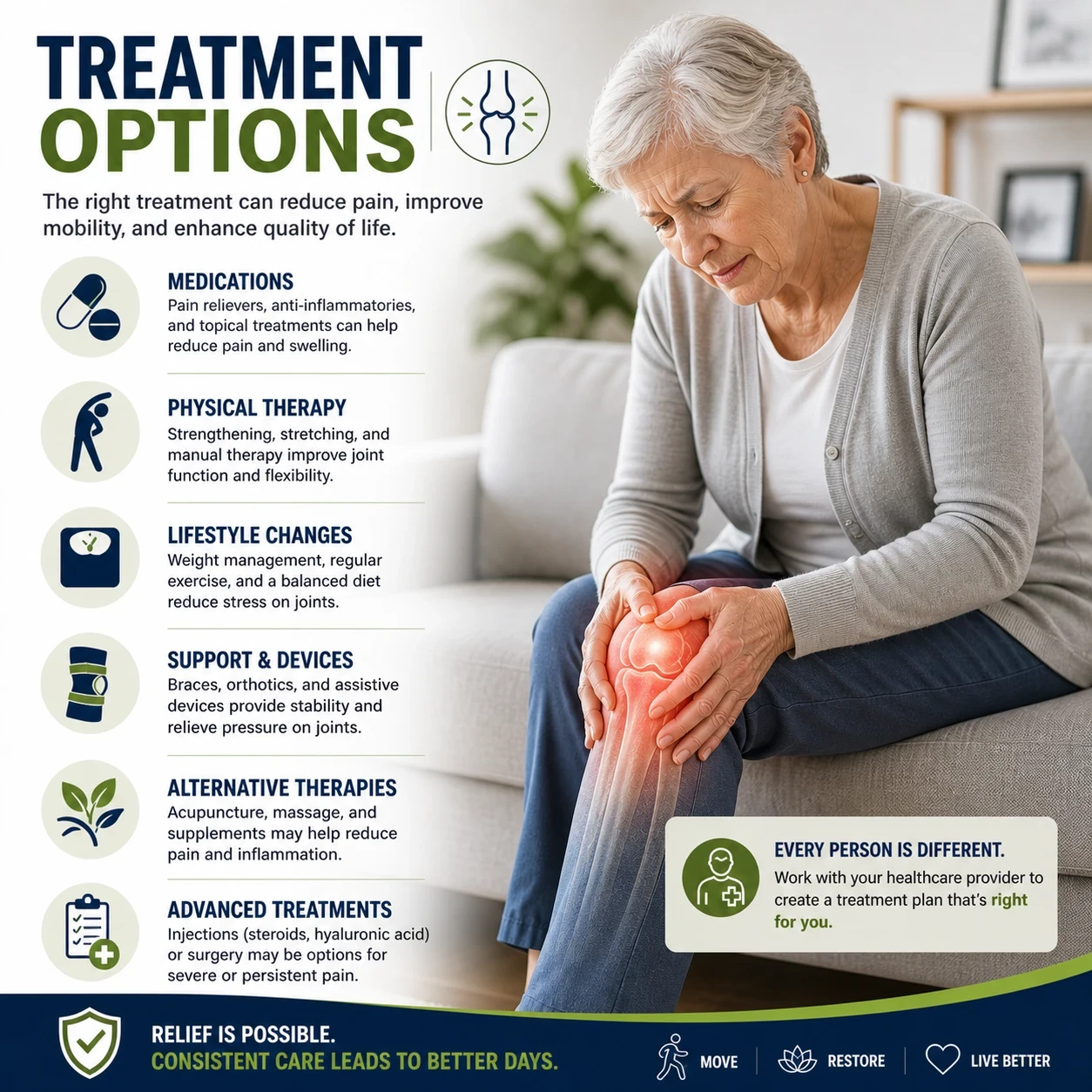
Treatment Options
There are several treatment options available for joint pain, depending on the cause and severity.
- Physical therapy to restore movement
- TENS therapy to support pain management. Go Here.
- Topical treatments for local relief. Go Here.
- Anti-inflammatory approaches. Go Here.
- Targeted strengthening programs
Combining different methods often leads to better long-term results.
Daily Habits That Help
Consistency plays a major role in improving joint pain. Small daily habits can gradually reduce stress and improve overall function.
- Stay active without overloading
- Maintain a healthy weight
- Take regular movement breaks
- Support recovery through sleep
Over time, these habits help the body adapt and reduce discomfort.
When to Seek Help
While many cases improve with self-care, there are times when professional support is needed.
- Persistent symptoms lasting several weeks
- Swelling or visible changes
- Difficulty moving or bearing weight
- Sudden or severe discomfort
Seeking guidance early can prevent symptoms from becoming more difficult to manage.
Long-Term Management
Managing joint pain long term is about understanding your body and making consistent adjustments. It is rarely about a quick fix.
Tracking what improves or worsens symptoms helps you take more control. Over time, patterns become clearer, making it easier to adjust activity and recovery.
With the right approach, most people can reduce discomfort, improve movement, and regain confidence in daily life.
Scientific Studies
https://www.ncbi.nlm.nih.gov/pmc/articles/PMC5479046/
https://www.ncbi.nlm.nih.gov/pmc/articles/PMC3766936/