Psoriatic Arthritis Flare-Up Relief
Psoriatic arthritis flare-up relief is something many people search for when joint pain, swelling, stiffness, and fatigue suddenly become harder to manage.
Psoriatic arthritis can affect the joints, tendons, skin, and overall mobility, and flare-ups often appear without much warning.
Some people notice increased pain in the hands, knees, feet, hips, or lower back, while others experience worsening psoriasis patches alongside joint discomfort.
Although there is no instant cure for psoriatic arthritis, there are several supportive strategies that may help reduce discomfort during difficult periods.
A combination of movement, recovery, stress management, heat therapy, supportive supplements, and gentle pain relief methods may help people regain better daily comfort.

What Is a Psoriatic Arthritis Flare-Up?
A flare-up is a period where psoriatic arthritis symptoms become more active. During a flare, inflammation levels may increase, leading to swollen joints, stiffness, fatigue, tenderness, and reduced movement.
Symptoms may last for days or sometimes weeks depending on the individual.
Many people with psoriatic arthritis notice that flare-ups can be triggered by stress, poor sleep, illness, overactivity, cold weather, or long periods of inactivity.
Recognizing personal triggers may help reduce the frequency or intensity of symptoms over time.
People looking for more information about related inflammatory joint conditions may also find this guide on psoriatic arthritis vs rheumatoid arthritis helpful when understanding how symptoms and treatment approaches can differ.
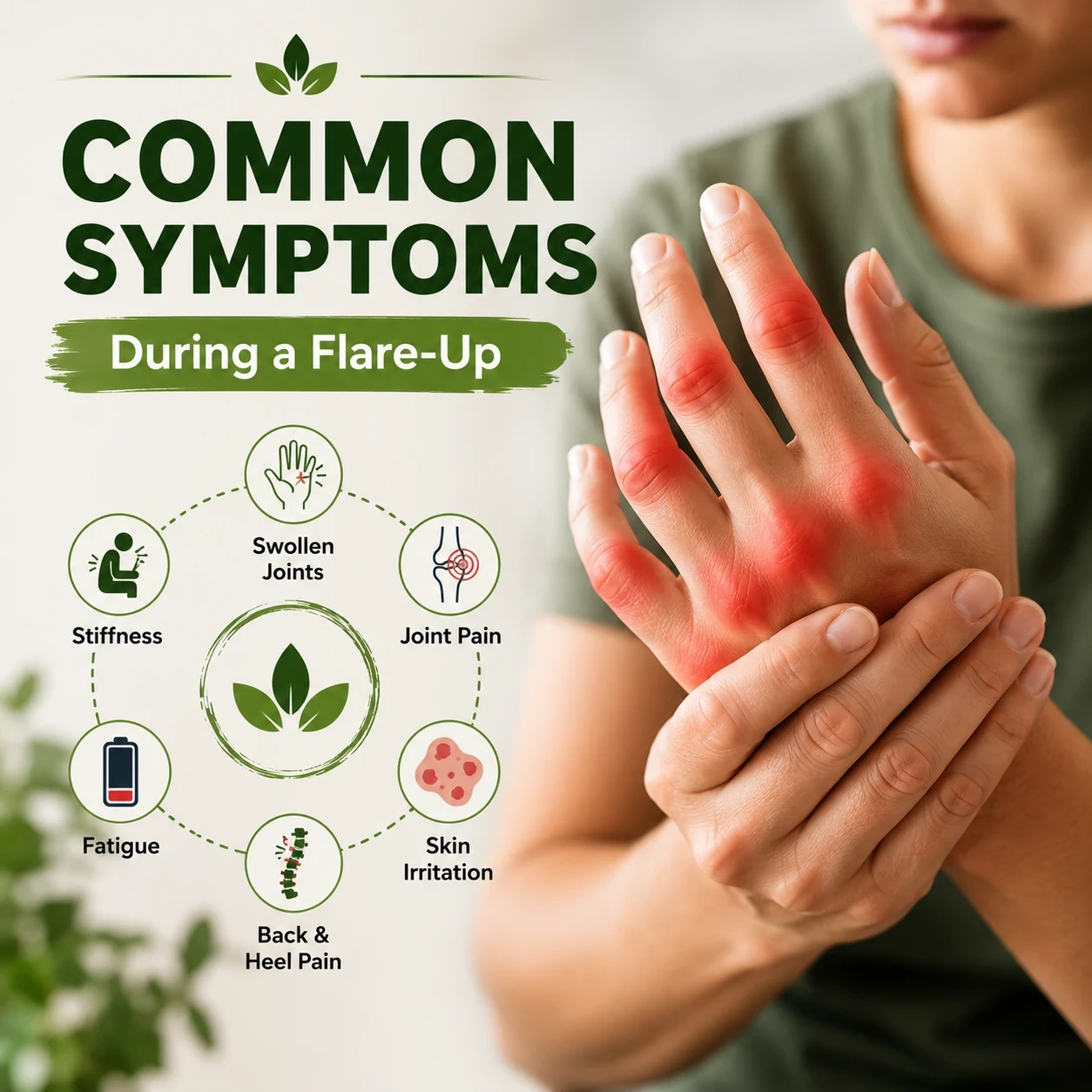
Common Symptoms During a Flare-Up
Psoriatic arthritis symptoms vary from person to person. Some individuals experience mild joint irritation, while others develop severe pain and swelling that interferes with walking, gripping, or sleeping.
- Swollen fingers or toes
- Joint stiffness in the morning
- Warm or tender joints
- Fatigue and low energy
- Lower back pain
- Heel or foot discomfort
- Increased psoriasis skin irritation
- Reduced flexibility
One of the biggest challenges with psoriatic arthritis flare-up relief is that symptoms can move around the body. A flare affecting the knees one week may later affect the hands, shoulders, or spine.

Heat Therapy and Gentle Recovery
Heat therapy is commonly used by people seeking psoriatic arthritis flare-up relief because warmth may help relax tight muscles and temporarily ease stiff joints.
Heated pads, infrared therapy devices, warm baths, or heated wraps are often used during periods of increased discomfort.
Some people prefer infrared therapy because it delivers deeper warmth into muscles and joints. Supportive recovery tools such as infrared heat therapy devices are increasingly being explored as part of daily comfort routines for stiffness and mobility support.
Warmth may be especially helpful in the morning when stiffness tends to feel worse. Short sessions combined with light stretching may improve movement without placing excessive strain on irritated joints.
Gentle Movement May Help Reduce Stiffness
Although rest is important during severe flare-ups, complete inactivity for long periods may sometimes worsen stiffness. Gentle movement may help maintain circulation, flexibility, and joint function.
Low-impact activities often recommended include:
- Walking
- Swimming
- Gentle yoga
- Mobility exercises
- Stretching routines
- Light cycling
The key is avoiding overexertion. Many people with psoriatic arthritis find that short movement sessions spread throughout the day feel more manageable than long workouts.
Managing Stress During Flare-Ups
Stress is one of the most commonly reported triggers associated with worsening inflammatory symptoms. Emotional stress may contribute to increased tension, poor sleep, and greater pain sensitivity.
Relaxation strategies that may support psoriatic arthritis flare-up relief include:
- Breathing exercises
- Meditation
- Improved sleep routines
- Gentle stretching
- Reducing overload and exhaustion
- Spending time outdoors
Many people underestimate how closely stress and chronic inflammation may be connected. Supporting emotional wellbeing can sometimes help support physical recovery too.

Lifestyle and Diet Changes
Healthy daily habits may help support long-term joint comfort and recovery. Some people notice fewer flare-ups when they focus on balanced nutrition, hydration, stress management, and maintaining a healthy weight.
Anti-inflammatory foods such as oily fish, leafy greens, berries, olive oil, nuts, and vegetables are commonly included in supportive wellness routines. Staying active without overloading painful joints may also help maintain flexibility and mobility.
Good sleep quality is another important factor. Poor sleep may increase fatigue, stress, and pain sensitivity, which can sometimes make symptoms feel worse.
Supportive Supplements for Joint Health
Some people explore supplements as part of their overall joint support strategy. While supplements are not cures for psoriatic arthritis, certain ingredients may support inflammation balance, mobility, or overall wellness.
Popular options often discussed include turmeric, omega-3 fatty acids, magnesium, collagen, and vitamin D. Anyone considering supplements should speak with a healthcare professional, especially if taking medications.
This guide to best supplements for arthritis explores several evidence-based options commonly used to support joint health.
CBD and Recovery Support
Some individuals use CBD products as part of their personal wellness routine during flare-ups. CBD is being explored for its potential role in supporting relaxation, recovery, sleep quality, and temporary discomfort management.
CBD oils, creams, and gummies are among the most common product types used for recovery support. Products such as CBD oils for relaxation and recovery and CBD gummies for daily support are becoming increasingly popular among people seeking alternative wellness options.
Topical products may also provide targeted support around sore joints or muscles. Some people prefer using CBD creams and muscle balms alongside heat therapy and stretching routines.
Sleep and Fatigue Management
Fatigue is a major issue for many people living with psoriatic arthritis. Poor sleep can make flare-ups feel significantly worse and may reduce the body’s ability to recover properly.
Improving sleep quality may help support psoriatic arthritis flare-up relief by allowing the body more opportunity to rest and regulate inflammation.
Helpful habits may include:
- Reducing screen time before bed
- Keeping a consistent sleep schedule
- Using supportive pillows
- Keeping the bedroom cool and dark
- Avoiding excessive caffeine late in the day
When to Seek Medical Advice
Some flare-ups become severe and require professional medical support. Persistent swelling, worsening pain, major mobility problems, or rapidly worsening symptoms should always be assessed by a healthcare professional.
Early management is important because ongoing inflammation may contribute to long-term joint damage if left uncontrolled.
Frequently Asked Questions
How long can a psoriatic arthritis flare-up last?
A psoriatic arthritis flare-up may last a few days or several weeks depending on inflammation levels, stress, activity, sleep quality, and overall health. Some people experience mild symptoms while others develop more severe joint pain and stiffness.
What helps calm psoriatic arthritis naturally?
Many people use supportive strategies such as gentle exercise, heat therapy, healthy eating, stress reduction, proper sleep, stretching, and recovery routines to help support joint comfort naturally.
Can cold weather make psoriatic arthritis worse?
Yes. Cold and damp weather may increase stiffness and joint discomfort for some individuals. Warm clothing, heated pads, and staying active may help reduce stiffness during colder months.
Does walking help psoriatic arthritis?
Gentle walking may help improve circulation, mobility, flexibility, and joint function. Short low-impact walks are often easier to tolerate than intense exercise during flare-ups.
Can psoriatic arthritis affect more than one joint?
Yes. Psoriatic arthritis may affect the knees, hands, feet, hips, spine, shoulders, or fingers. Symptoms can sometimes move between different joints during active flare periods.
What is the best sleep position for joint pain?
Many people find sleeping on their back or side with supportive pillows helps reduce pressure on painful joints. Maintaining good sleep posture may help improve overnight comfort and recovery.
Final Thoughts on Psoriatic Arthritis Flare-Up Relief
Psoriatic arthritis flare-up relief usually involves a combination of supportive strategies rather than relying on a single solution. Heat therapy, gentle movement, stress reduction, recovery support, proper rest, and healthy lifestyle habits may all help improve daily comfort during difficult periods.
Because psoriatic arthritis affects people differently, it often takes time to discover which combination of approaches works best. Staying consistent with supportive routines and recognizing early warning signs may help reduce the impact of future flare-ups.
Research Study:
Arthritis Foundation – Psoriatic Arthritis