Alkaline Phosphatase Levels
Alkaline phosphatase levels are commonly included in routine blood work, yet many people are unsure what those numbers actually represent.
Seeing alkaline phosphatase levels highlighted on a lab report can raise concern, but in many cases they simply reflect normal variations in liver or bone activity.
Understanding alkaline phosphatase levels within the broader clinical picture helps reduce unnecessary worry and supports clearer discussions with your healthcare provider.
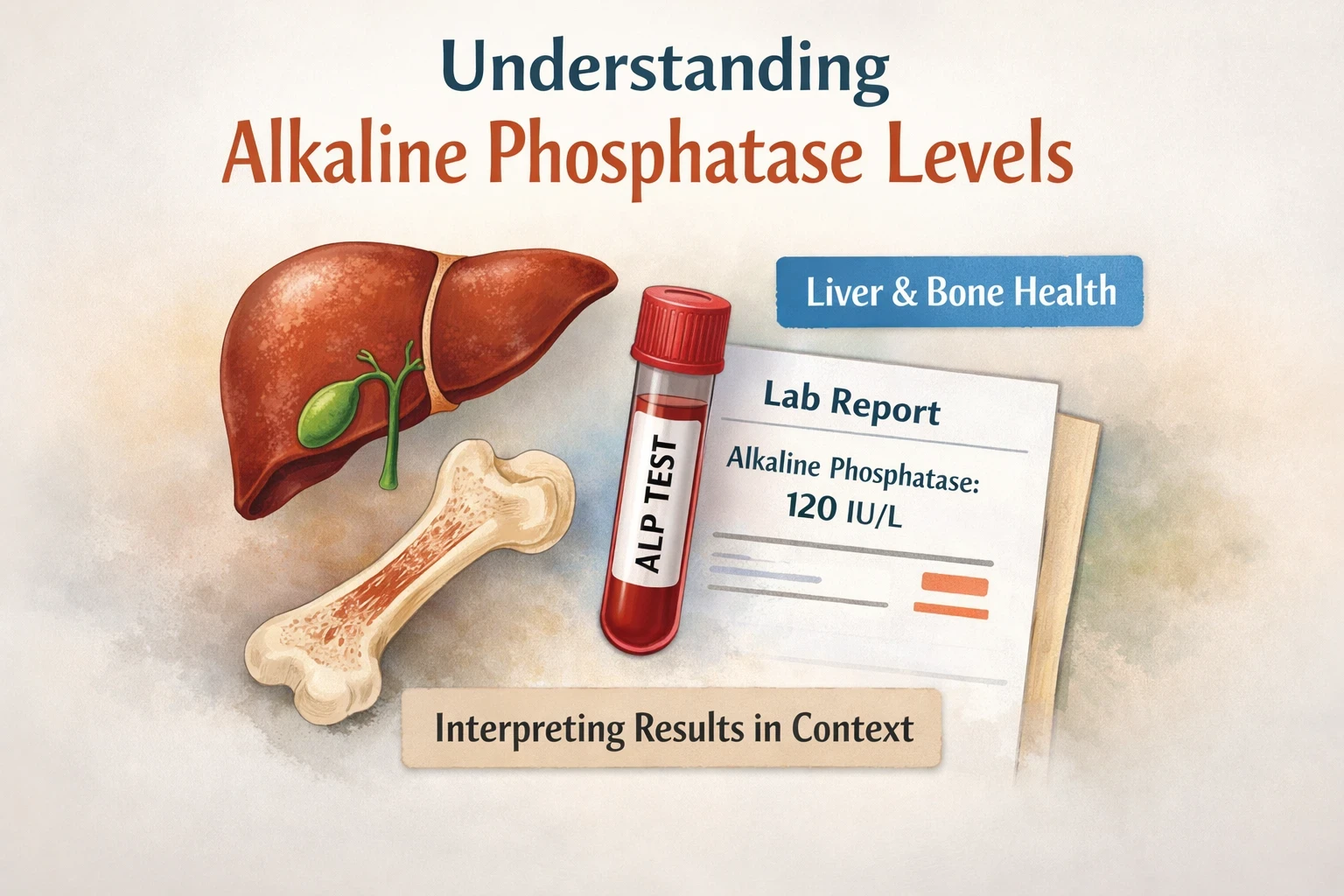
What Are Alkaline Phosphatase Levels?
Alkaline phosphatase (ALP) is an enzyme found mainly in the liver, bile ducts, and bones.
A blood test measures how much of this enzyme is circulating at a given time.
Because ALP exists in more than one tissue, results must be interpreted carefully.
Doctors usually assess this marker alongside ALT, AST, bilirubin, calcium, and vitamin D.
Looking at patterns rather than a single value provides more meaningful insight.
For a deeper explanation of how the enzyme works, see: https://beyond-pain-relief.com/alkaline-phosphatase-enzymes-what-they-mean/
Normal Ranges and Expected Variations
Typical adult reference ranges fall between 40–130 IU/L, though this varies slightly between laboratories.
Children and teenagers often show higher readings due to bone growth. Pregnancy can also influence results.
Small shifts within or just outside the reference range are common.
Age, recent illness, medications, and even lab variation can influence findings.
Most clinicians look for persistent or significant changes before recommending further testing.
Causes of Elevated Results
Higher readings usually relate to liver or bone activity.
Liver and Bile Duct Factors
• Gallstones
• Bile duct obstruction
• Hepatitis
• Fatty liver disease
When liver involvement is present, other liver enzymes are often abnormal as well.
Bone-Related Factors
• Healing fractures
• Paget’s disease
• Vitamin D deficiency
• Rapid adolescent growth
Because ALP is involved in bone formation, increased bone turnover can temporarily raise measurements.
If inflammation or metabolic stress is suspected, this guide may be helpful: https://beyond-pain-relief.com/how-to-reduce-inflammation-naturally/
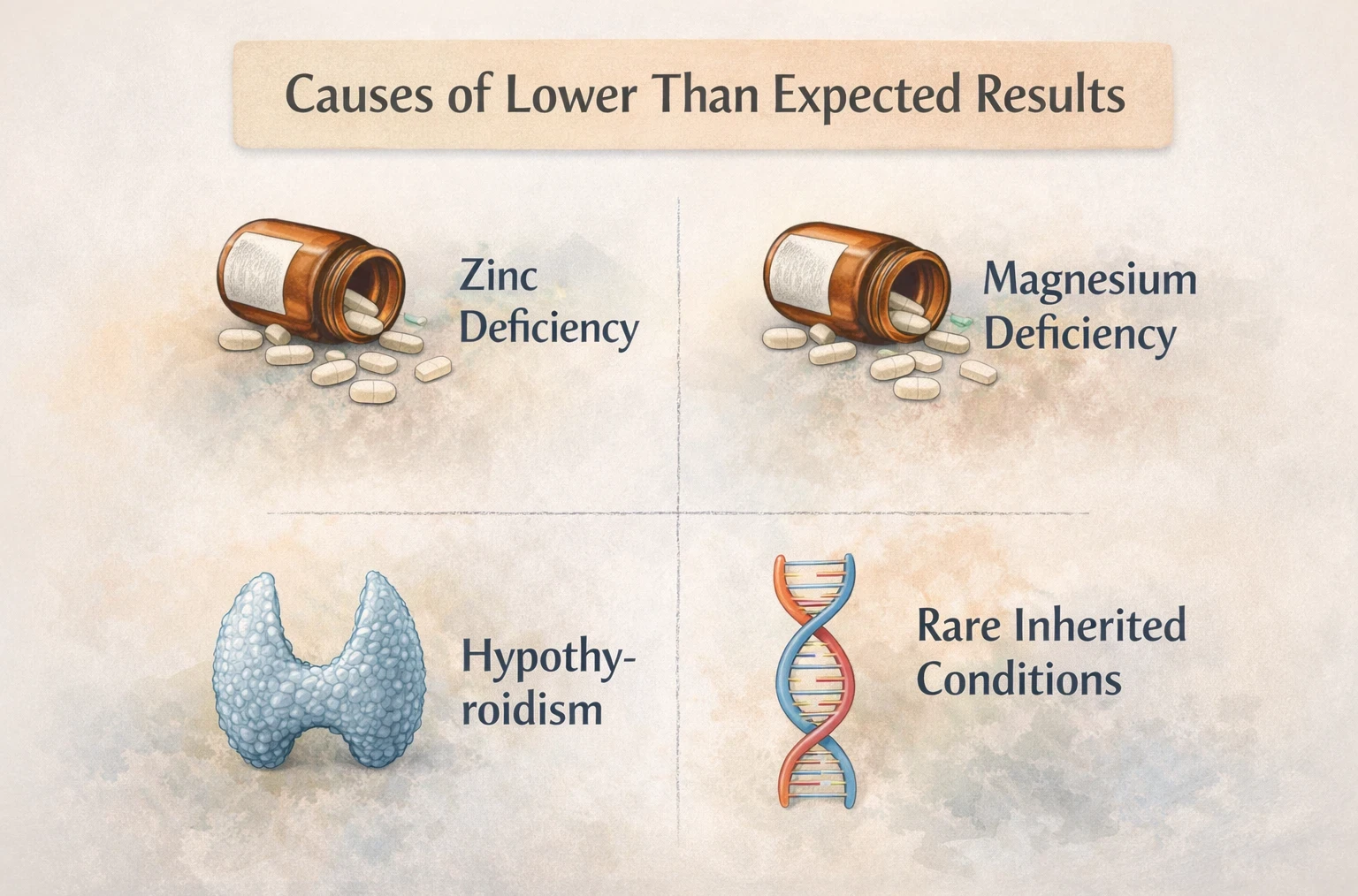
Causes of Lower-Than-Expected Results
Lower values are less common but may be linked to:
• Zinc deficiency
• Magnesium deficiency
• Hypothyroidism
• Rare inherited conditions
In some individuals, a slightly low result may simply reflect normal biological variation rather than illness.
What This Test Can and Cannot Tell You
This enzyme test is a useful indicator, but it is not diagnostic on its own.
It can: • Suggest liver or bone involvement
• Help monitor known conditions
• Indicate the need for additional testing
It cannot: • By itself it can’t identify the precise cause
• Replace imaging or specialist evaluation
• Confirm a diagnosis without context
When clarification is needed, isoenzyme testing may determine whether the source is liver or bone.
For broader understanding of how chronic conditions influence lab markers, see: https://beyond-pain-relief.com/what-is-chronic-pain-a-clear-human-explanation/
When Should You Be Concerned?
Concern is usually warranted when:
• Results are two to three times above the upper limit
• Abnormal findings persist across repeat tests
• Symptoms such as jaundice, unexplained fatigue, or bone pain are present
Mild changes without symptoms are often monitored rather than treated urgently.
The Bigger Picture
Blood results are pieces of information, not final verdicts. Enzyme levels are best interpreted alongside symptoms, medical history, medications, and lifestyle factors.
Before reacting strongly to a single result, consider:
• Recent illness
• Bone injury
• Supplement use here
• Pregnancy or growth phase
Looking at trends over time provides more clarity than focusing on one isolated reading.
Scientific reference: https://pubmed.ncbi.nlm.nih.gov/34021419/