Best Treatments For Knee Fluid Pain Effective Ways To Reduce Swelling And Restore Movement
Best Treatments for Knee Fluid Pain
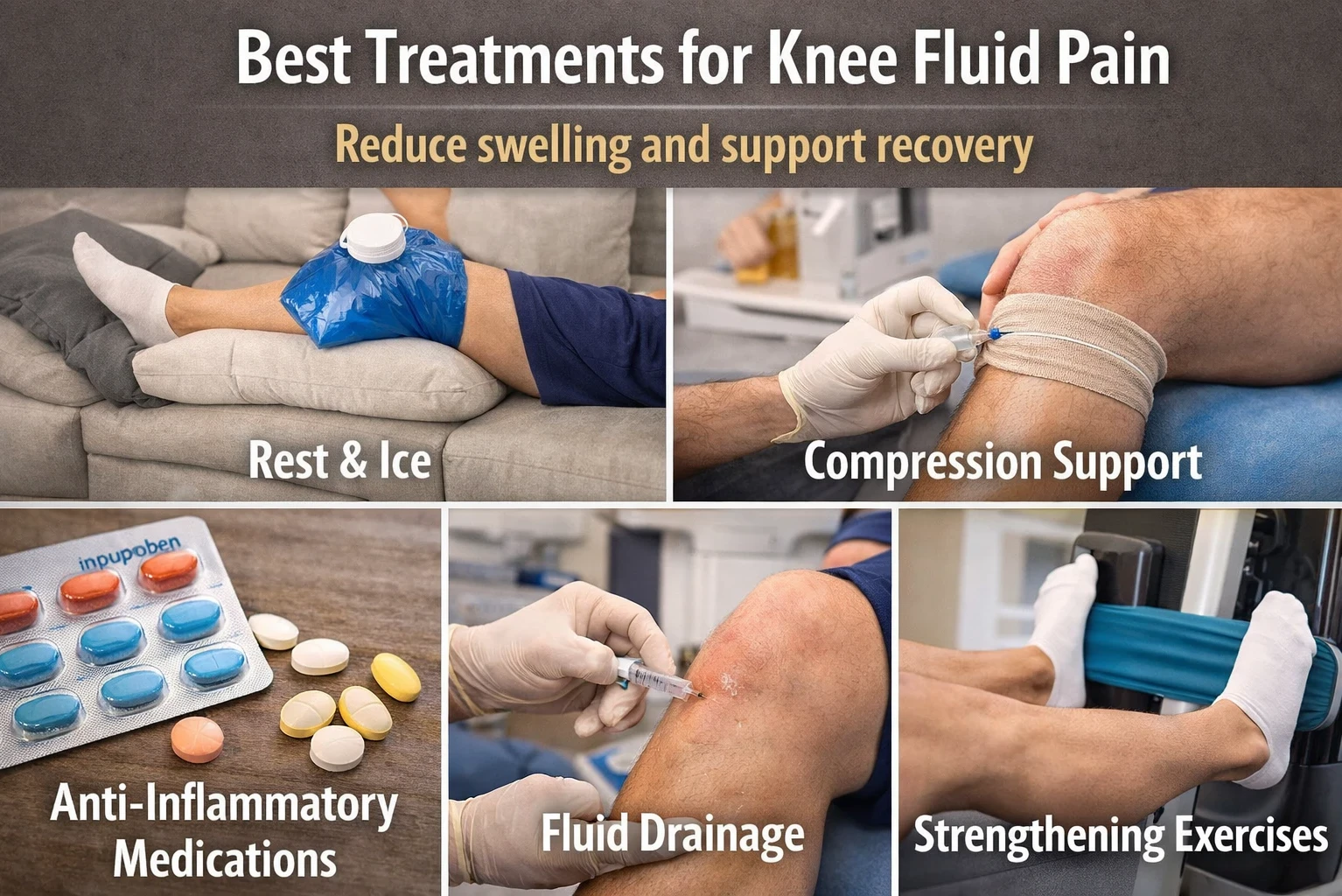
Best treatments for knee fluid pain can be a single treatment or a combination of treatment.
Effective Ways to Reduce Swelling and Restore Movement
Knee fluid pain, often called swelling or “water on the knee,” can limit movement and cause discomfort.
Understanding these treatments helps reduce swelling, improve mobility, and support long-term recovery.
What Is Knee Fluid Pain
Knee fluid pain happens when excess fluid builds inside the joint. This usually occurs due to irritation, injury, or inflammation within the knee.
Common causes include:
Overuse or repetitive strain
Ligament or cartilage injuries
Osteoarthritis
Inflammatory conditions
To understand how this discomfort develops, explore how pain signals are generated.
Why Fluid Builds Up in the Knee
Fluid accumulation is part of the body’s natural response. However, when inflammation continues, it increases pressure and stiffness.
Symptoms often include:
Visible swelling
Tightness or pressure
Reduced range of motion
Pain during activity
This response is closely linked to movement, load, and pain sensitivity, where the joint becomes more reactive over time.
First-Line Best Treatments for Knee Fluid Pain
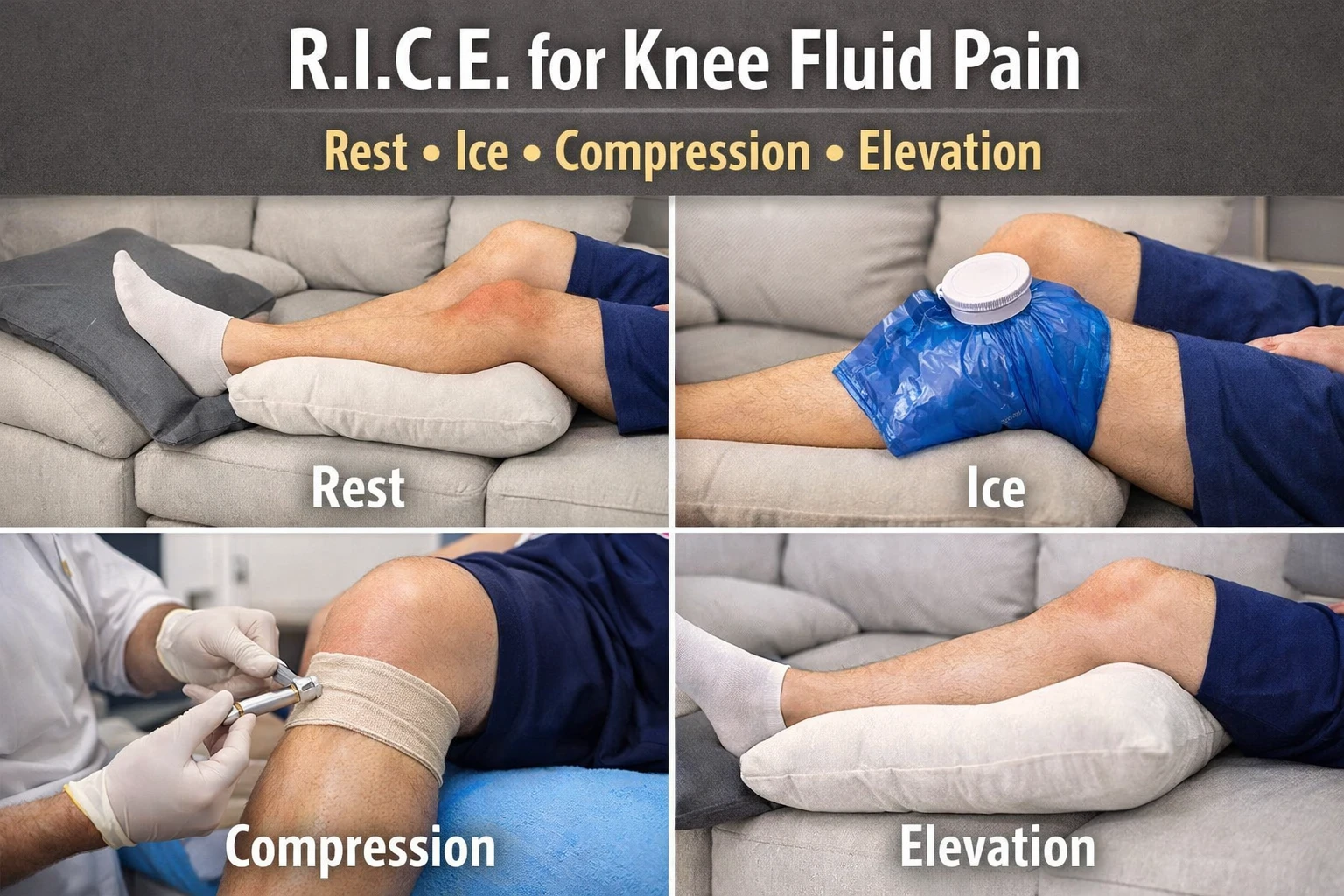
The most effective treatments for knee fluid pain begin with simple, consistent strategies.
Rest and Activity Modification
Reducing stress on the knee allows swelling to settle. Avoid high-impact activities and prolonged standing.
Ice Therapy
Apply ice for 15–20 minutes several times daily to reduce swelling and numb discomfort.
Compression Support
Knee sleeves or wraps help control swelling and improve joint stability.
Elevation
Keeping the knee elevated above heart level supports fluid drainage.
Anti-Inflammatory Approaches That Help
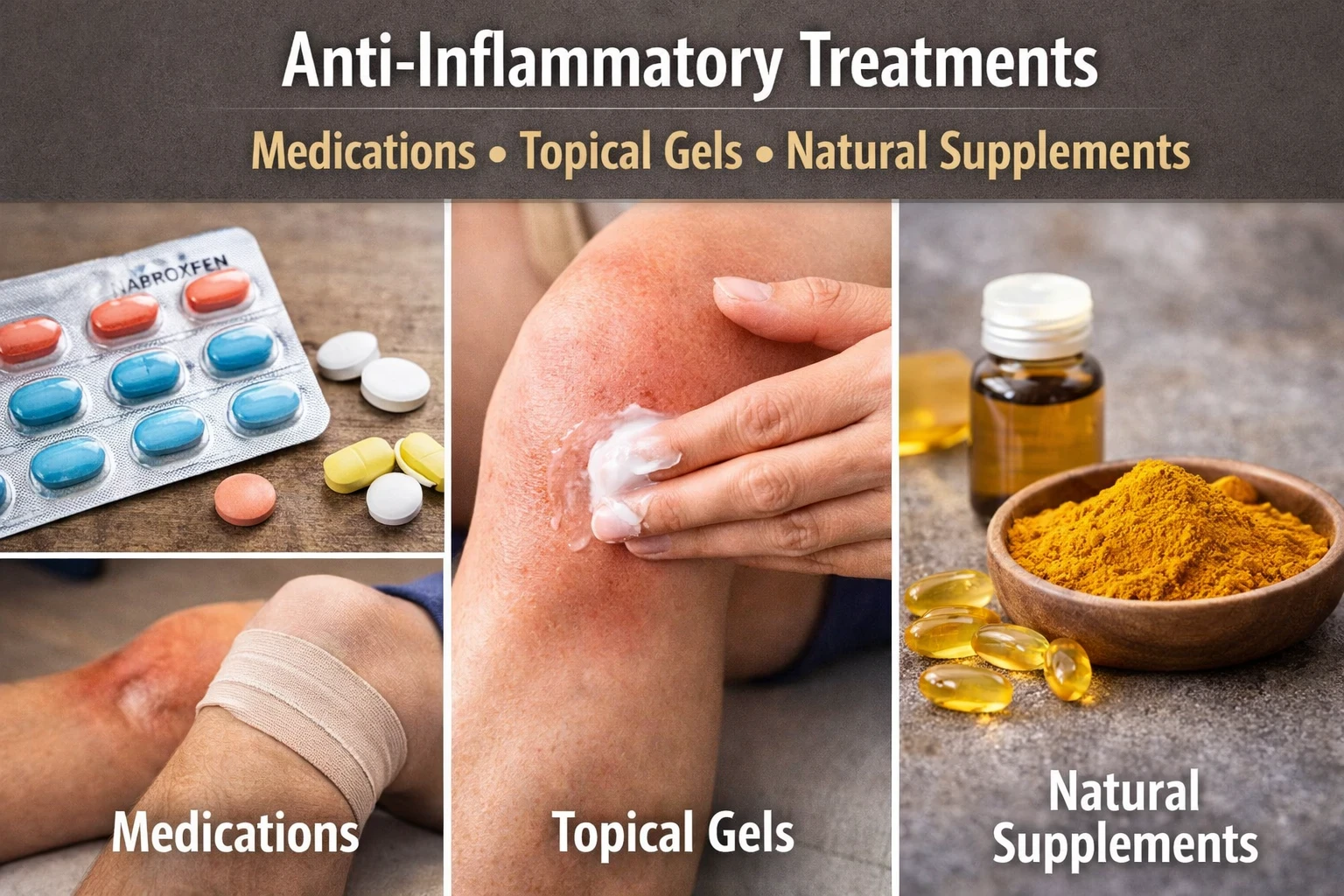
Reducing inflammation is a key part of the best treatments for knee fluid pain.
Medications
Non-steroidal anti-inflammatory drugs (NSAIDs) may help reduce swelling and pain.
Topical Treatments
Gels and creams applied directly to the knee provide local relief.
Natural Support Options
Some people use omega-3 or turmeric-based products to support inflammation balance.
Go to HerbsPro for more information.
When to Consider Medical Treatment
If symptoms continue, medical care becomes part of the best treatments for knee fluid pain.
Fluid Drainage (Aspiration)
A doctor may remove excess fluid to relieve pressure and improve movement.
Corticosteroid Injections
These help reduce inflammation inside the joint.
Addressing the Root Cause
In cases of arthritis, injury, or infection, targeted treatment is essential.
You can also learn how recovery is influenced by the nervous system in how the brain processes pain and influences recovery.
Rehabilitation and Long-Term Recovery
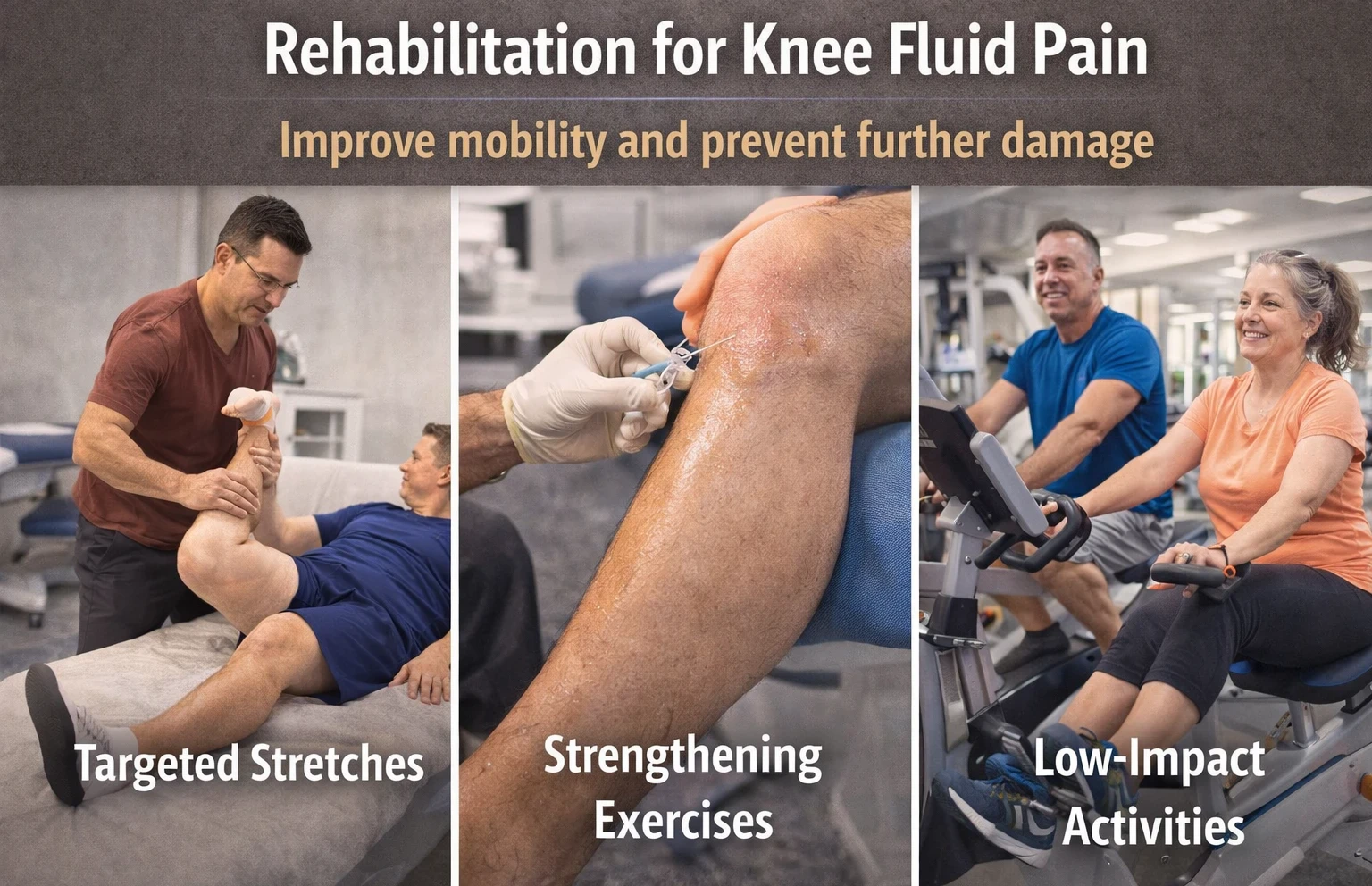
Long-term results from these treatments for knee fluid pain depend on restoring strength and movement.
Strengthening Exercises
Building strength in surrounding muscles improves joint stability.
Low-Impact Movement
Cycling and swimming help maintain mobility without stressing the knee.
Gradual Load Progression
Increasing activity slowly helps prevent recurrence.
Supportive Tools That May Help
Supportive tools can complement the best treatments for knee fluid pain:
Knee braces for stability
Compression sleeves
Cold therapy wraps
Elevation pillows
Go to Carex for top quality assured supportive tools for knee fluid pain
These tools help reduce discomfort and support daily activity.
A Balanced Perspective on Knee Fluid Pain
The best advice for knee fluid pain is to focus on both symptom relief and long-term recovery.
Swelling is often a signal that the joint needs support, not just suppression.
Addressing both inflammation and movement patterns leads to better outcomes.
FAQ: Best Treatments for Knee Fluid Pain
How long does knee fluid pain take to improve?
Mild cases may improve within a few days, while more persistent swelling can take several weeks.
Should I keep moving with knee swelling?
Gentle movement is helpful, but avoid activities that increase pain.
Is ice or heat better?
Ice is best for swelling. Heat may help stiffness after inflammation settles.
When should I see a doctor?
If swelling is severe, persistent, or linked to injury, it’s best to seek medical advice.
Scientific Studies
https://pubmed.ncbi.nlm.nih.gov/26780233/
https://pubmed.ncbi.nlm.nih.gov/31260027/