How To Manage Hip Pain At Home Top Tips To Reduce Pain
How to Manage Hip Pain at Home
How to manage hip pain at home is something many people search for when stiffness, aching, or sharp discomfort begins to affect walking, sleeping, climbing stairs, or daily movement. Hip pain can develop slowly over time or appear suddenly after strain, overuse, poor posture, arthritis, muscle tension, or reduced mobility.
While severe or ongoing pain should always be checked by a healthcare professional, many people find that simple home strategies can help reduce discomfort and improve movement.
Learning how to manage hip pain at home often involves combining gentle movement, heat therapy, supportive tools, posture awareness, and recovery habits.
The goal is usually to reduce pressure on the joint while helping the surrounding muscles stay active and supported.
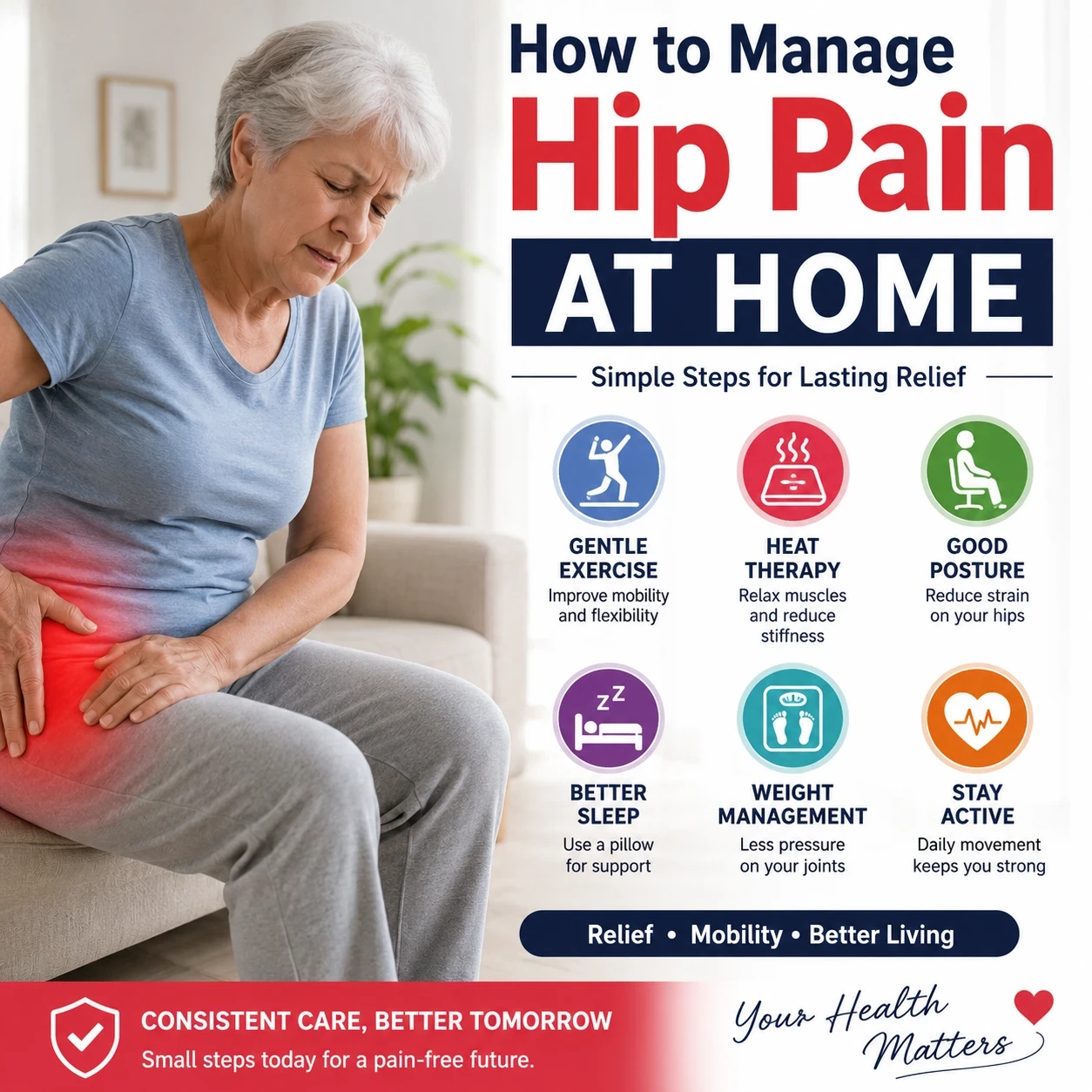
Common Causes of Hip Pain
The hip is one of the largest weight-bearing joints in the body. Because it supports walking, bending, standing, and balance, it can become irritated in several different ways.
Some common causes include:
- Osteoarthritis
- Muscle strain
- Bursitis
- Tendon irritation
- Sciatica or nerve irritation
- Poor posture
- Reduced mobility
- Overuse injuries
- Age-related wear and tear
Pain may be felt in the side of the hip, groin, lower back, buttocks, or even down the leg. Understanding the possible cause can help guide the best approach when learning how to manage hip pain at home.
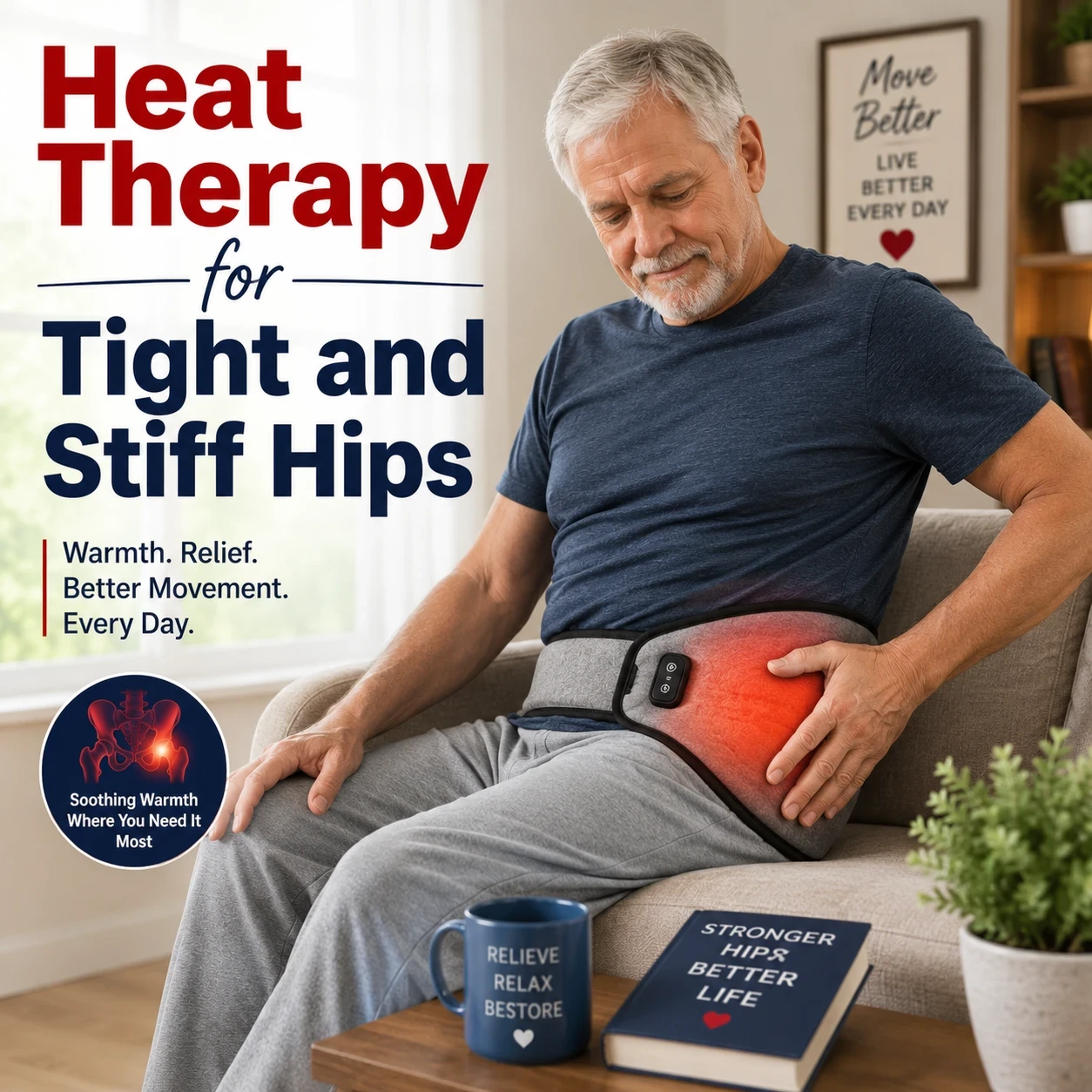
Heat Therapy for Tight and Stiff Hips
Heat therapy is one of the most popular approaches for people trying to manage hip discomfort naturally at home. Gentle warmth may help relax tight muscles, improve circulation, and reduce stiffness around the hip area.
Many people use heating pads, infrared therapy devices, heated wraps, or warm compresses before stretching or movement.
You can explore supportive heat therapy options through UTK heat therapy products designed for muscle tension and joint discomfort.
For some people, alternating between heat and cold therapy may also help after activity or long periods of standing.
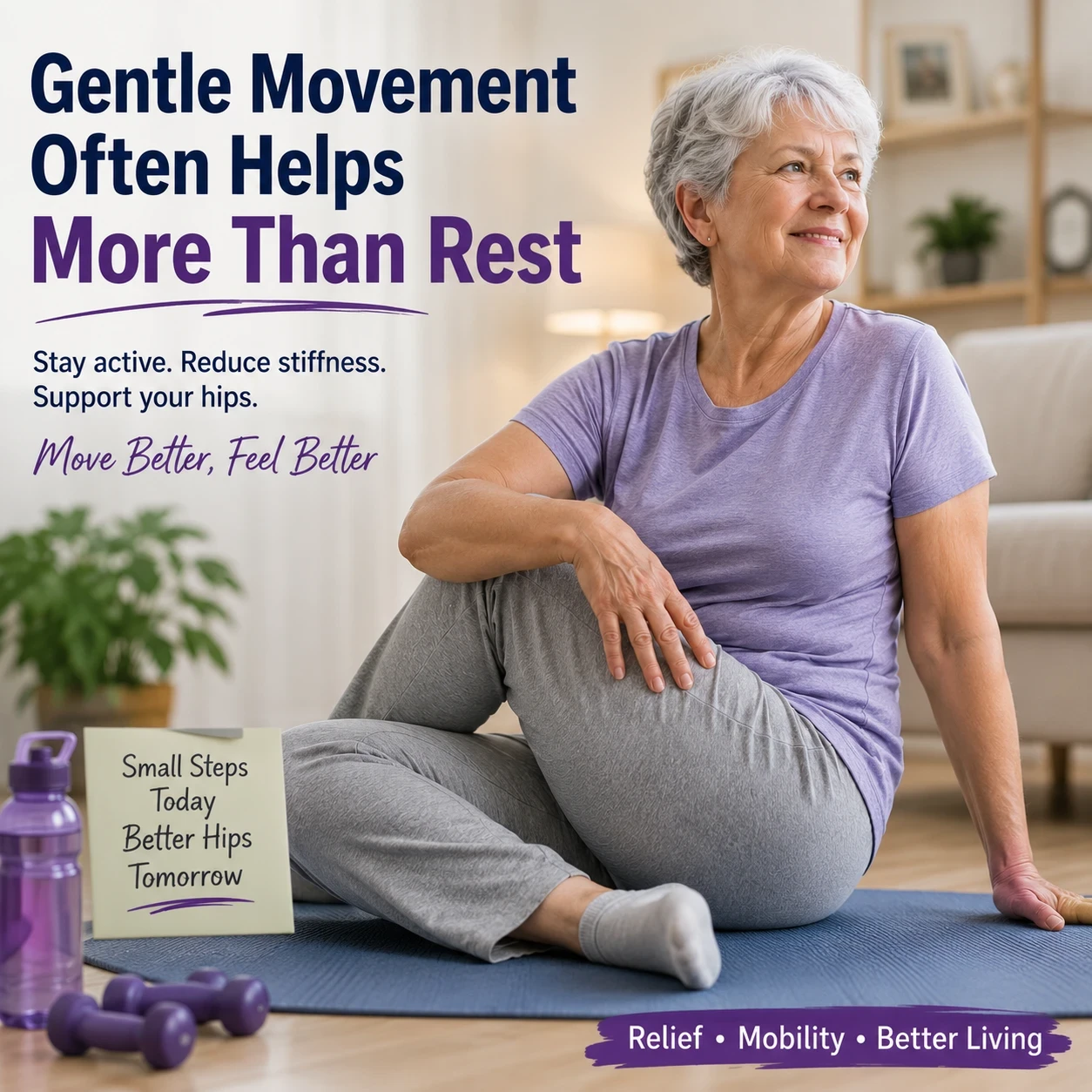
Gentle Movement Often Helps More Than Rest
One of the biggest mistakes people make when dealing with hip discomfort is avoiding all movement. While short periods of rest may help after a flare-up, too much inactivity can sometimes increase stiffness and weakness.
Gentle movement may help keep the hip joint mobile and reduce tightness in surrounding muscles.
Simple activities may include:
- Short walks
- Gentle stretching
- Swimming
- Stationary cycling
- Light mobility exercises
- Chair-based exercises
Starting slowly is important. Many people searching for how to manage hip pain at home find that small daily movement sessions are easier to tolerate than intense exercise.
You can also read more about best exercises for hip pain that may support flexibility and mobility.
Supportive Products That May Help
Supportive home products are becoming increasingly popular for people dealing with hip discomfort.
While these products are not cures, they may help improve comfort during daily activities.
Some commonly used options include:
- Heating pads
- TENS machines
- Support cushions
- Massage devices
- Orthopedic seat supports
- Mobility aids
Shop mobility aids Here.
Shop Carex Hip Pain Products Here.
TENS therapy uses gentle electrical stimulation that some people use to help interrupt pain signals temporarily.
You can explore TENS therapy products for pain relief that are commonly used at home.
Some people also combine supportive products with stretching and posture changes for a more balanced approach when learning how to manage hip pain at home.

Improving Sleep Position Can Reduce Night Pain
Hip pain often feels worse at night, especially when sleeping on one side for long periods. Pressure on the joint and surrounding tissues can increase discomfort and disturb sleep.
Simple adjustments may help, including:
- Placing a pillow between the knees
- Using a supportive mattress topper
- Avoiding curling tightly into one position
- Changing sides regularly
- Using gentle heat before bed
Reducing night stiffness is an important part of understanding how to manage hip pain at home, especially for people with arthritis or muscle tightness.

Posture and Sitting Habits Matter
Long periods of sitting may place extra pressure on the hips and lower back. Poor posture can also affect how weight is distributed through the pelvis and hip joints.
Helpful posture habits may include:
- Standing up regularly during the day
- Avoiding low soft chairs
- Keeping both feet flat on the floor
- Using supportive seating
- Avoiding crossing legs for long periods
Small posture improvements can sometimes make daily activities more comfortable over time.
You may also find helpful information in this guide about sharp hip pain causes and how different movements can affect symptoms.
Weight Management and Joint Pressure
Excess body weight may increase pressure through the hips, knees, and lower back. Even small reductions in weight can sometimes reduce strain on weight-bearing joints.
This does not mean intense exercise is necessary. Many people improve mobility gradually through walking, water exercise, healthier eating habits, and consistent movement.
For people researching how to manage hip pain at home, long-term lifestyle habits may play a bigger role than quick fixes alone.
When to Seek Medical Advice
Home management may help mild or moderate hip discomfort, but medical advice is important if pain becomes severe, sudden, or persistent.
You should seek professional support if you experience:
- Severe swelling
- Fever with hip pain
- Difficulty walking
- Pain after a fall
- Numbness or weakness
- Pain that continues worsening
A healthcare professional can help identify the underlying cause and recommend appropriate treatment options.
Final Thoughts
How to manage hip pain at home often involves combining several small strategies rather than relying on one single solution. Gentle movement, heat therapy, supportive products, posture improvements, stretching, and recovery habits may all help improve comfort and mobility over time.
Every person responds differently, so it can take patience to discover which combination works best. Staying consistent with supportive daily habits may help many people feel more comfortable and confident moving again.
Research Study
National Library of Medicine – Hip Pain Overview