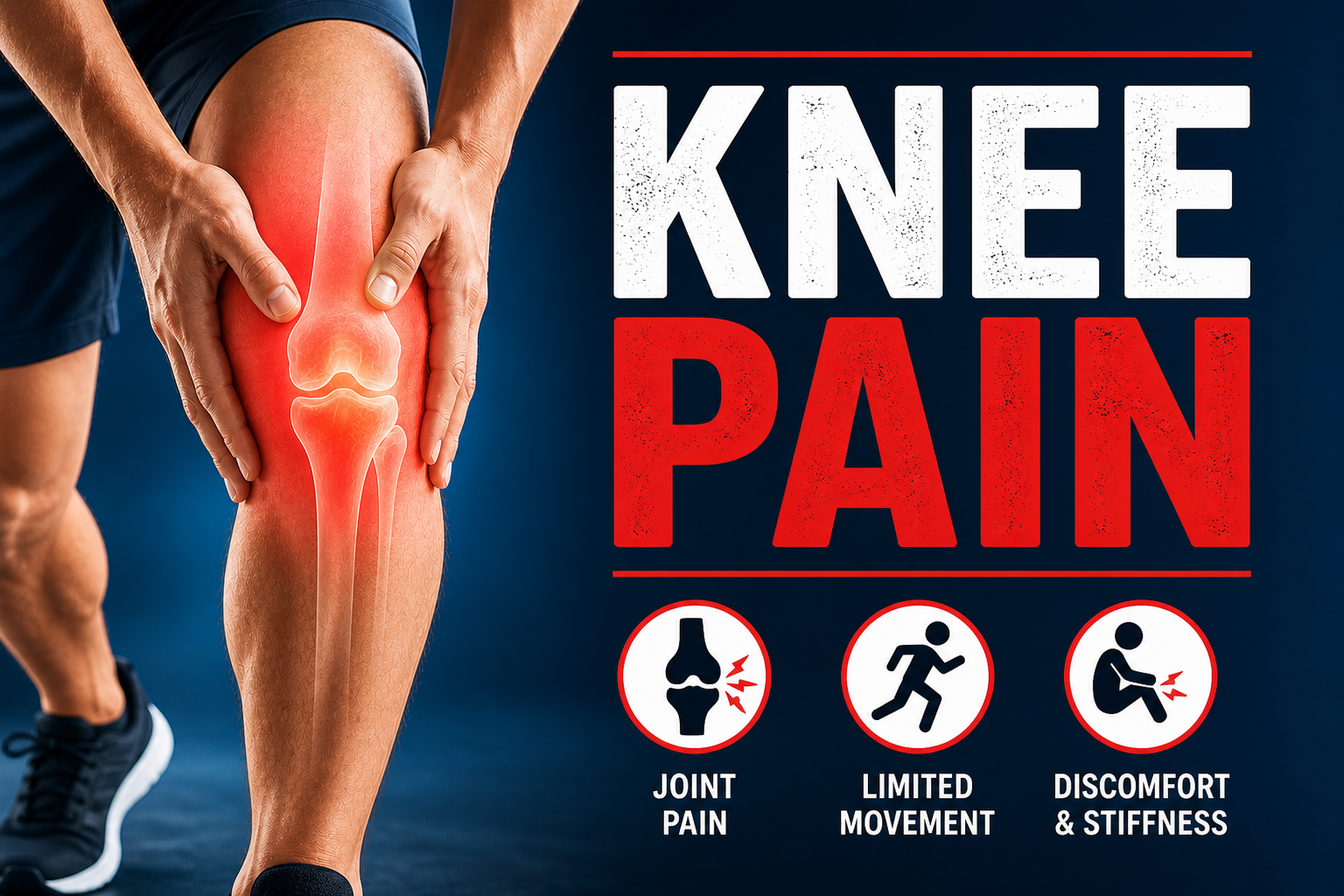
Knee Pain Explained: Causes, Relief, and Long-Term Solutions
Knee pain is one of the most common issues affecting movement, yet it can feel confusing and frustrating when it doesn’t improve quickly. It may begin suddenly after activity or develop gradually over time, making everyday tasks like walking, climbing stairs, or standing uncomfortable. Understanding knee pain clearly is the first step toward reducing symptoms and improving confidence in movement.
What Is Knee Pain?
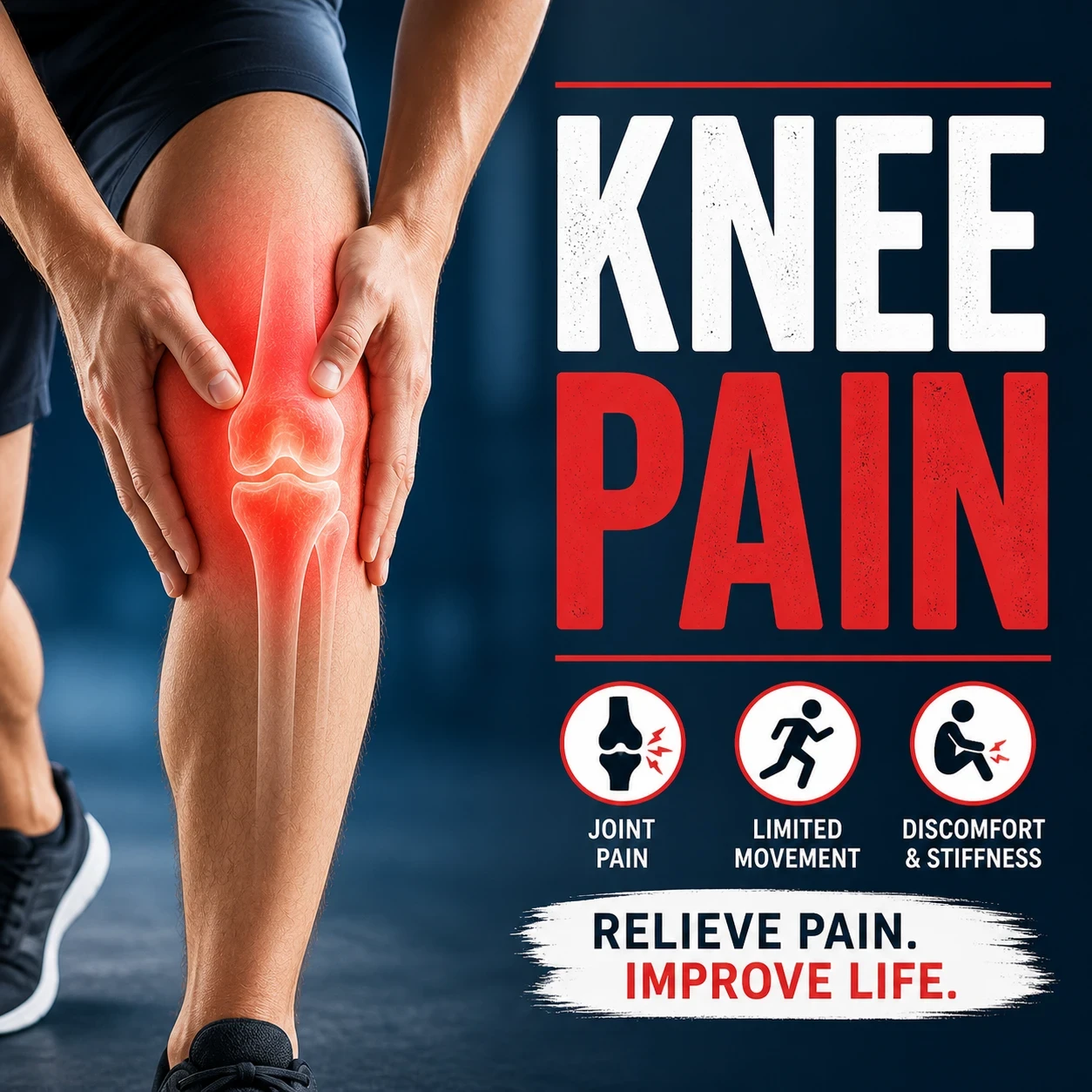
Knee pain refers to discomfort, stiffness, or irritation in or around the knee joint. This joint plays a key role in supporting body weight and allowing movement, which means it is exposed to constant stress. Because of this, even small changes in movement or strength can lead to noticeable symptoms.
In many cases, discomfort is not caused by a single injury. Instead, it develops from a combination of factors such as repeated strain, reduced strength, or changes in how the body moves over time.
Understanding what chronic pain really means can help explain why symptoms sometimes last longer than expected.
Common Causes of Knee Pain
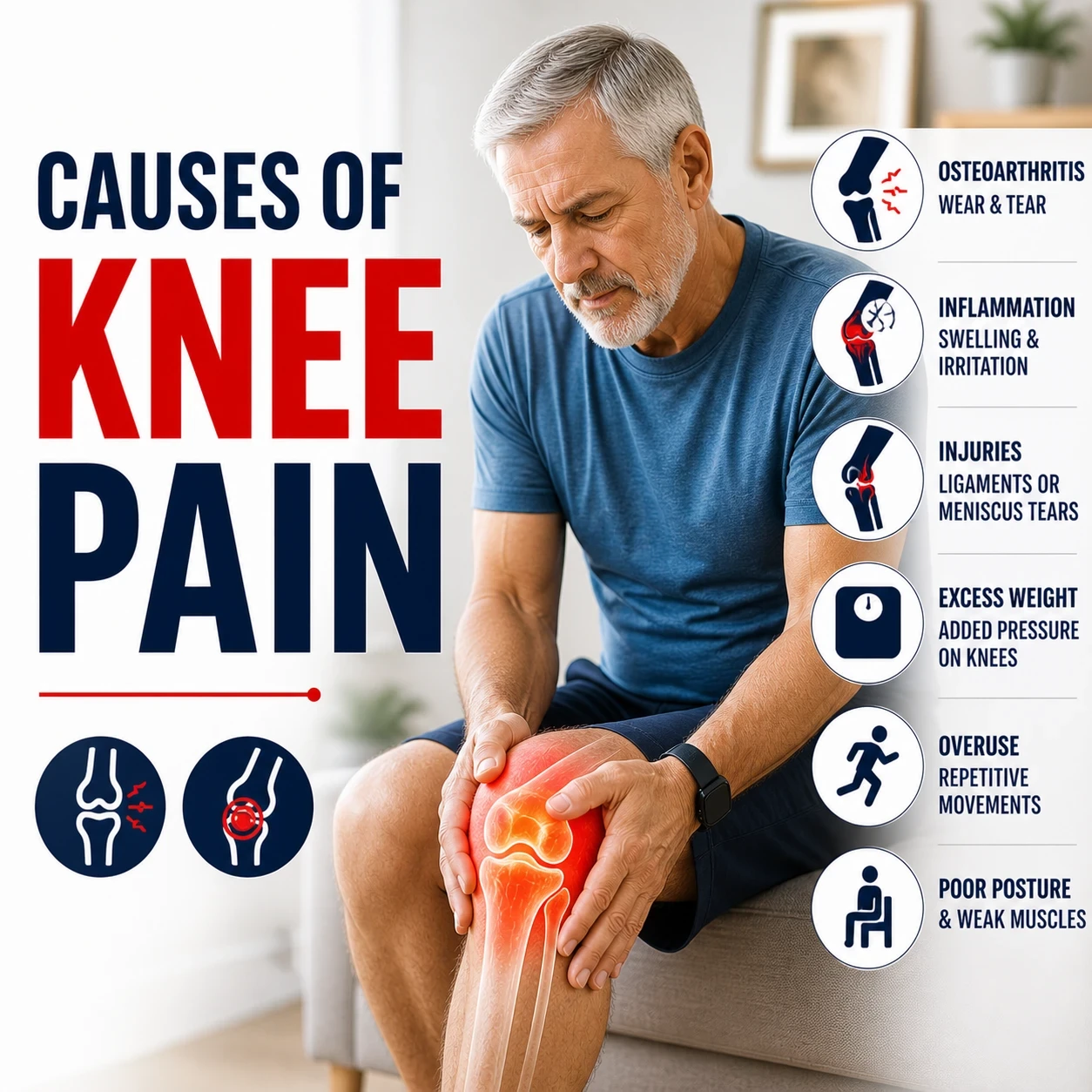
There are several reasons why knee pain develops, and understanding these causes can help guide the right approach to relief.
- Overuse from repetitive activities such as walking or running
- Muscle weakness affecting support around the joint
- Previous injuries that have not fully recovered
- Poor movement patterns or alignment
- Inflammation within the joint
- Age-related changes in cartilage and tissues
Many people also notice that symptoms appear alongside other areas of discomfort. This is because the body works as a connected system, where changes in one area can influence another.
You can explore how this connection works in nerve pain and sensitivity.
Why It Becomes Ongoing
Knee pain can become ongoing when the body enters a cycle of irritation and sensitivity. This does not always mean there is serious damage. Often, the area becomes more sensitive due to repeated stress or lack of recovery.
When movement is reduced because of discomfort, muscles can weaken further, placing more pressure on the joint. This cycle can make symptoms feel persistent even when the original cause is no longer active.
Types of Symptoms
Not all symptoms feel the same. Recognising different patterns can help guide the most effective response.
- Sharp discomfort during movement
- Dull aching after activity
- Stiffness after rest or in the morning
- Swelling or a feeling of tightness
Each type may respond differently to activity, rest, or treatment, which is why a balanced approach is often needed.
What Makes It Worse
Certain factors can increase knee pain and make it harder to manage.
- Long periods of sitting or inactivity
- Sudden increases in activity levels
- Poor footwear or lack of support
- Weak muscles around the hips and legs
- Carrying excess body weight
Reducing these triggers can make a noticeable difference in daily comfort.
During Daily Activities
Knee pain often becomes more noticeable during everyday tasks. Activities such as climbing stairs, standing up from a seated position, or walking on uneven ground can place extra load on the joint.
If you are also experiencing lower body discomfort, understanding why pain develops at night can give further insight into how symptoms behave.
At Night
Some people notice that knee pain becomes more noticeable at night. This can happen because the body is less active, allowing stiffness to build. Reduced distraction and increased sensitivity can also make symptoms feel stronger.
Gentle movement during the day and light stretching in the evening can help reduce this effect and improve sleep quality.
Movement and Alignment
Knee pain is often influenced by how the body moves rather than just the knee itself. Poor alignment in the hips, ankles, or feet can change how force is distributed through the joint.
Improving movement patterns helps reduce unnecessary stress and supports better long-term outcomes.
Relief Strategies
Managing knee pain does not always require complex solutions. In many cases, simple and consistent habits can make a real difference.
- Keeping the joint moving with gentle activity
- Using heat to reduce stiffness
- Stretching surrounding muscles
- Improving posture and alignment
- Avoiding sudden increases in activity
Heat-based approaches are particularly effective. You can explore how heat therapy supports pain relief for a deeper understanding.
Exercise and Strength
Exercise plays an important role in improving knee pain. The goal is to build strength and support without placing excessive strain on the joint.
Low-impact activities such as walking, cycling, or swimming are often the best place to start. Strength work for the legs and hips improves stability and reduces pressure on the joint.
Mobility exercises help maintain flexibility and reduce stiffness, supporting better movement over time.
Advanced Strength and Stability
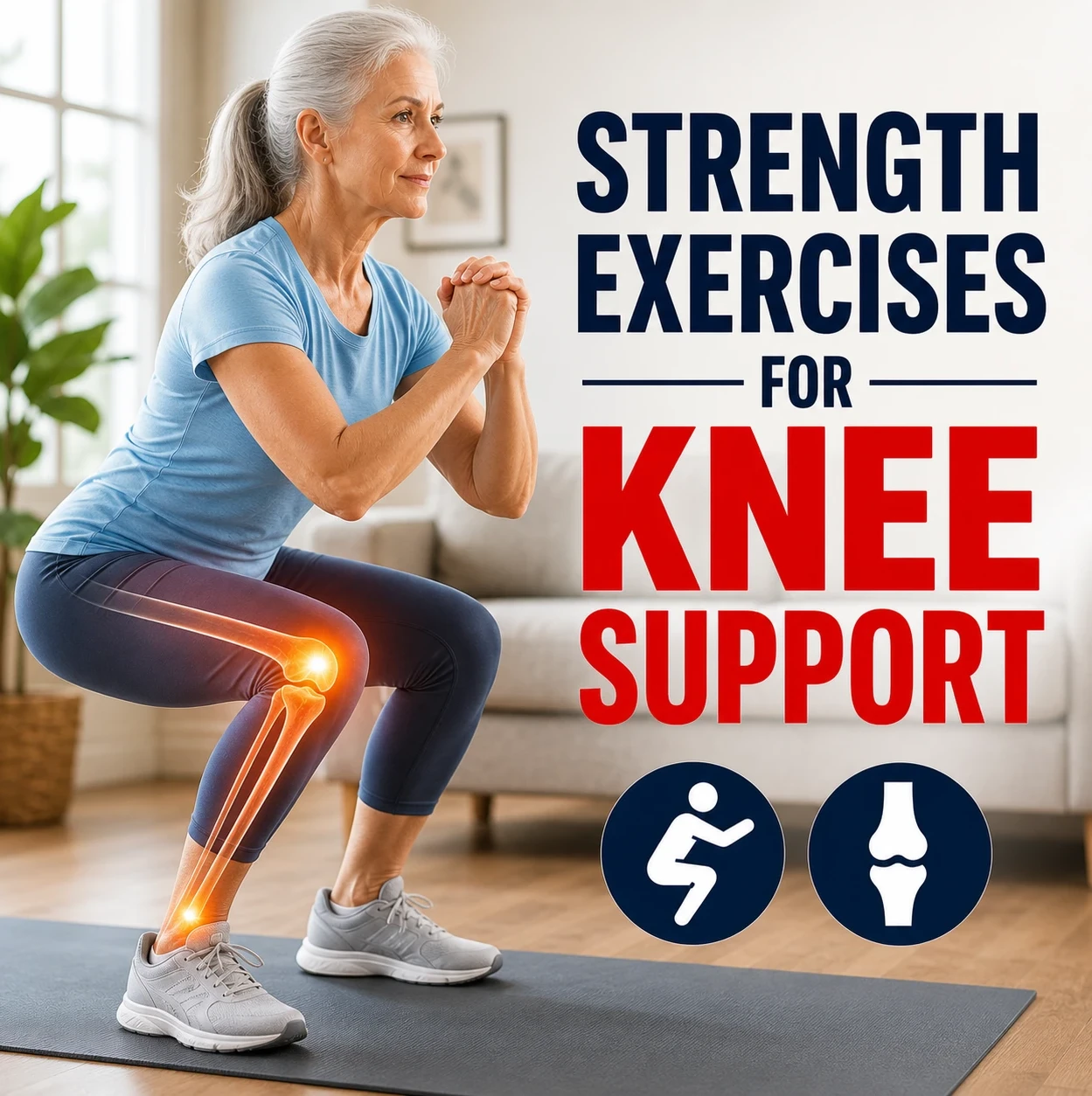
Structured strength work can significantly reduce knee pain over time. Exercises such as controlled squats and step-ups help build support.
Balance training improves coordination and reduces strain during everyday movement. Progress should be gradual to allow the body to adapt safely.
Daily Habits
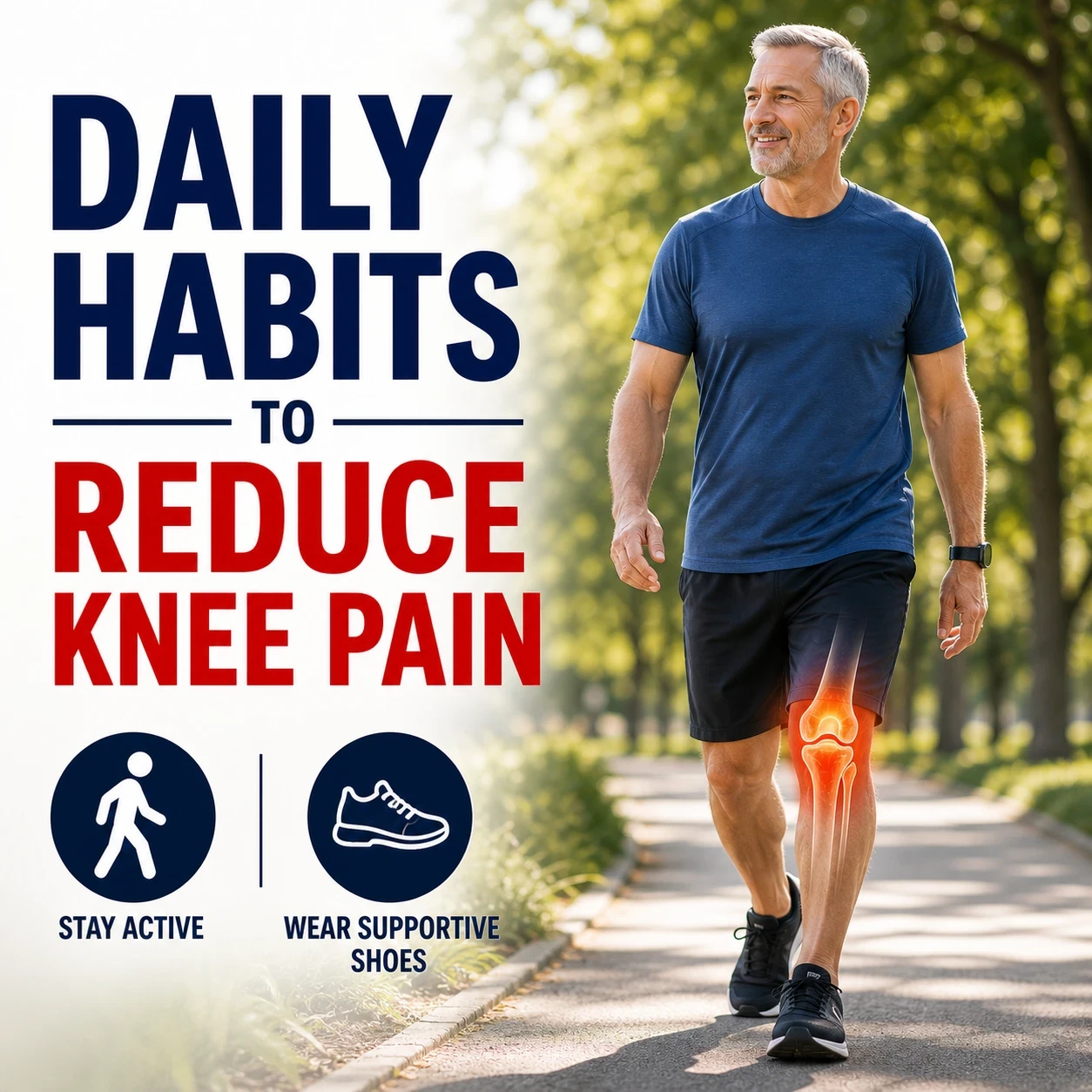
Consistency plays a key role in improving knee pain. Small daily habits can gradually reduce stress and improve function.
- Stay active without overloading
- Take regular movement breaks
- Wear supportive footwear
- Maintain a healthy weight
- Focus on controlled movement
These habits also support broader recovery and link closely with your overall pain management approach.
Knee Pain Treatment Options
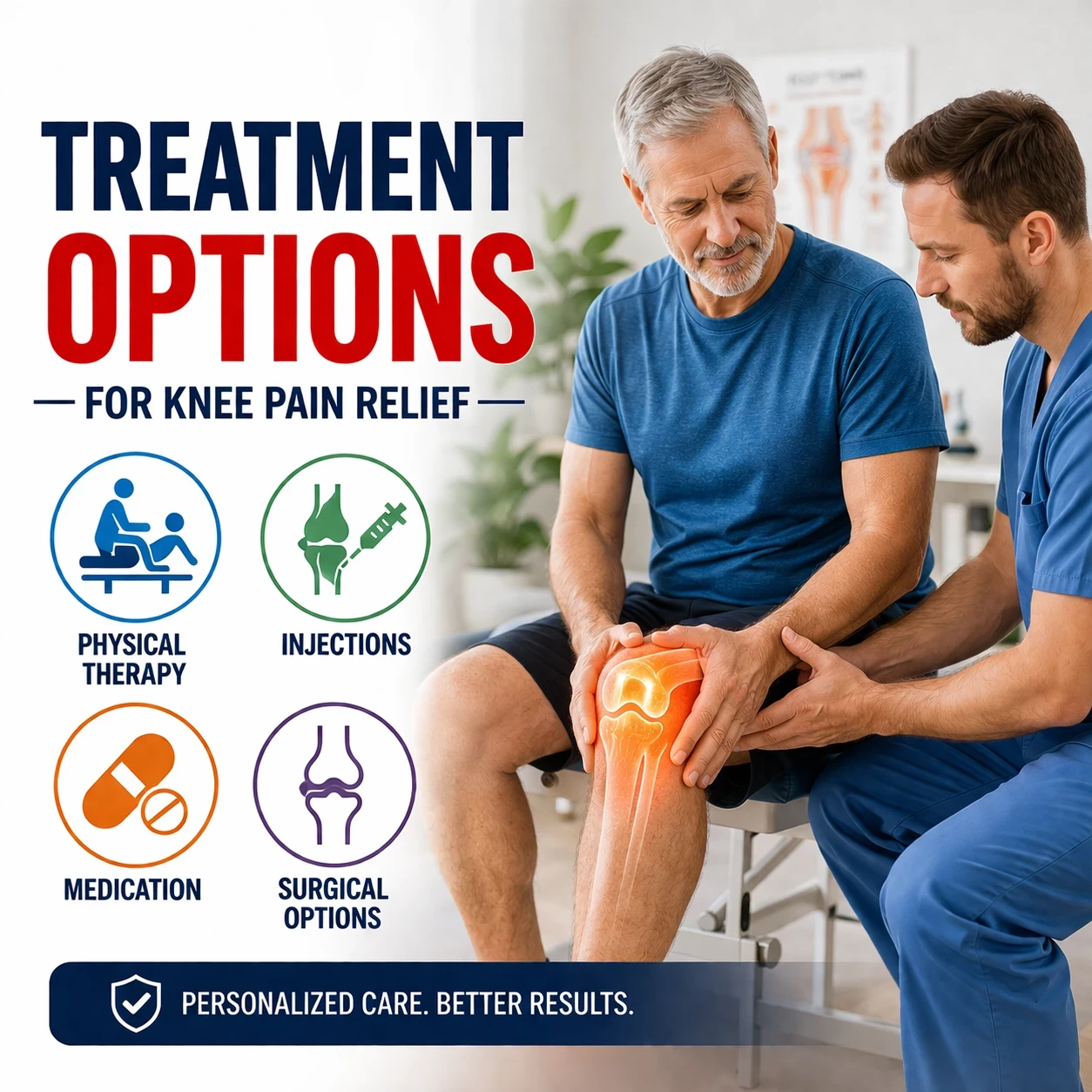
Knee pain treatment can vary widely depending on the cause, severity, and how long symptoms have been present. Some people experience short-term discomfort that settles quickly, while others deal with ongoing issues that require a more structured approach. Understanding knee pain treatment clearly helps you choose the right strategy and avoid unnecessary setbacks.
Understanding Knee Pain Treatment
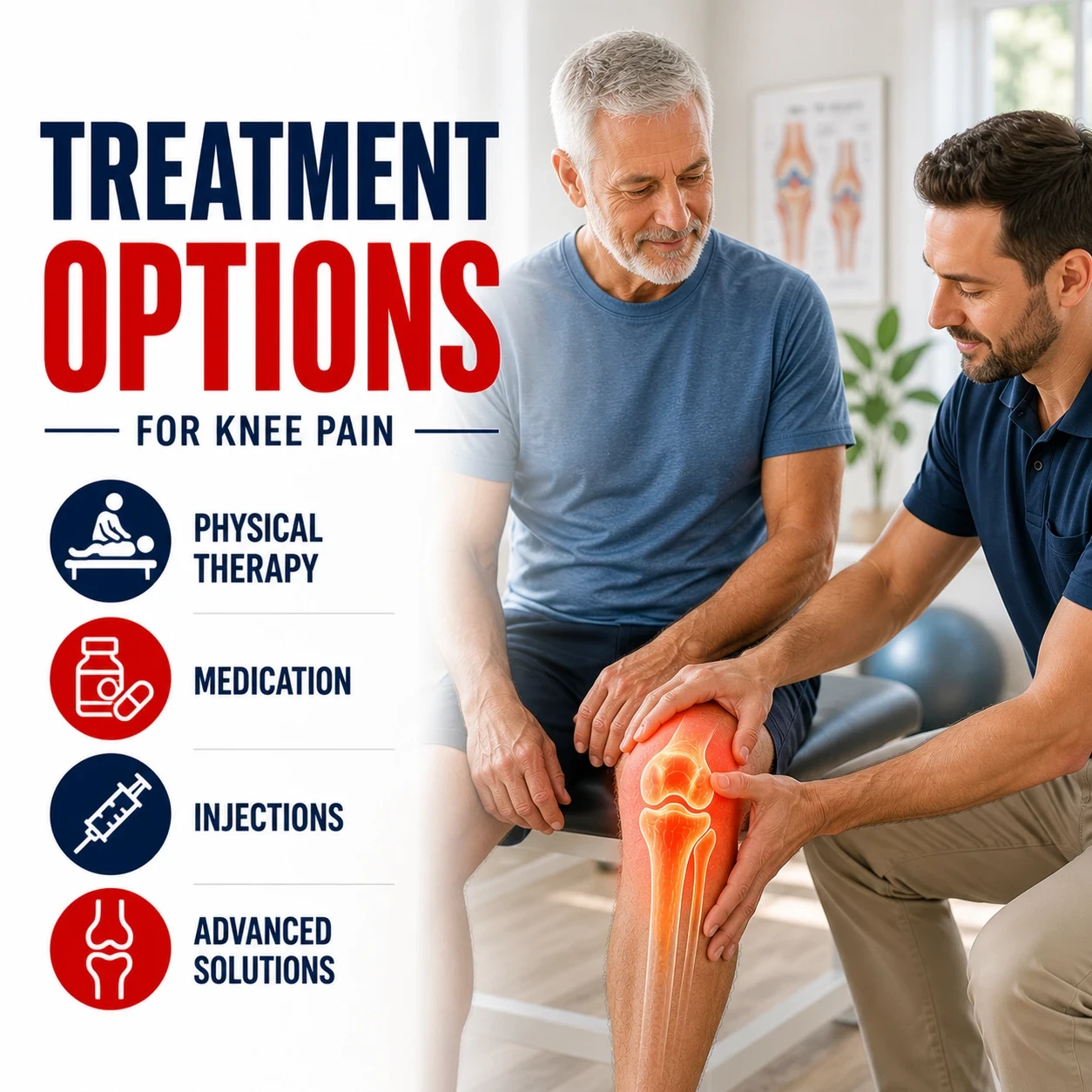
Knee pain treatment focuses on reducing discomfort, improving movement, and restoring strength around the joint. In many cases, this does not require aggressive interventions. Instead, a combination of simple, consistent methods often provides the best results.
Many people benefit from learning how their symptoms relate to overall body function. You can explore this further in what chronic pain really means, which explains why symptoms can sometimes persist.
Common Causes That Influence Treatment
The right knee pain treatment depends on what is causing the issue. Some of the most common factors include:
- Overuse from repeated activity
- Muscle weakness affecting support
- Poor movement patterns
- Previous injuries that have not fully recovered
- Inflammation within the joint
Understanding the cause helps guide the most effective approach and prevents relying on methods that may not address the root problem.
Movement-Based Knee Pain Treatment
Movement is one of the most effective forms of knee pain treatment. Avoiding activity completely can increase stiffness and reduce strength, making symptoms worse over time.
Low-impact exercises such as walking, cycling, or swimming help maintain mobility without placing excessive stress on the joint. These activities also improve circulation, supporting recovery.
Controlled movement helps the body adapt gradually. This approach is especially useful for long-term improvement and preventing recurring symptoms.
Strength Training for Knee Support
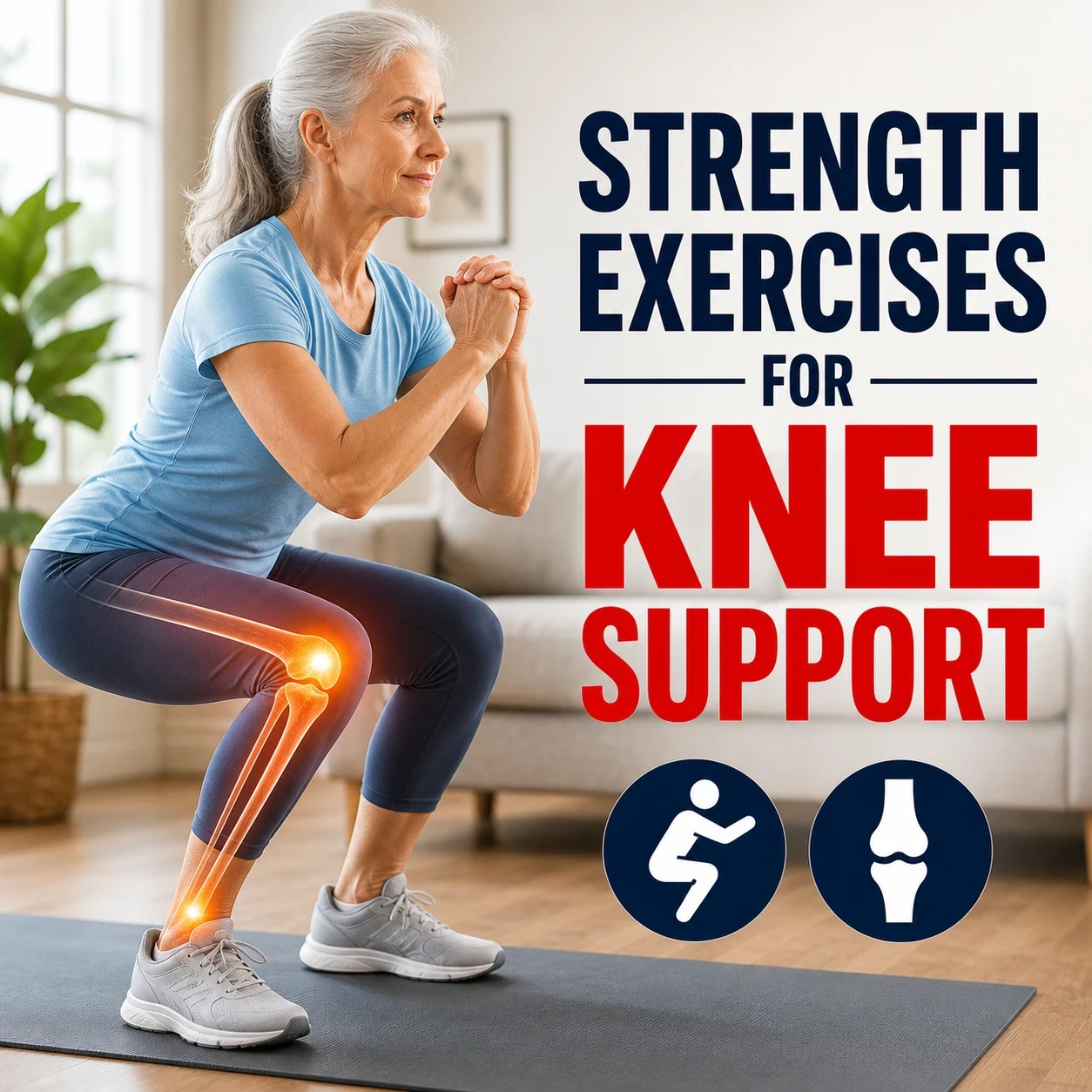
Strength work is a key part of knee pain treatment. The muscles surrounding the joint provide support and reduce the load placed directly on the knee.
Exercises targeting the quadriceps, hamstrings, and glutes improve stability and alignment. When these muscles are stronger, everyday movements become easier and more controlled.
Progress should be gradual. Increasing resistance slowly allows the body to adapt without increasing irritation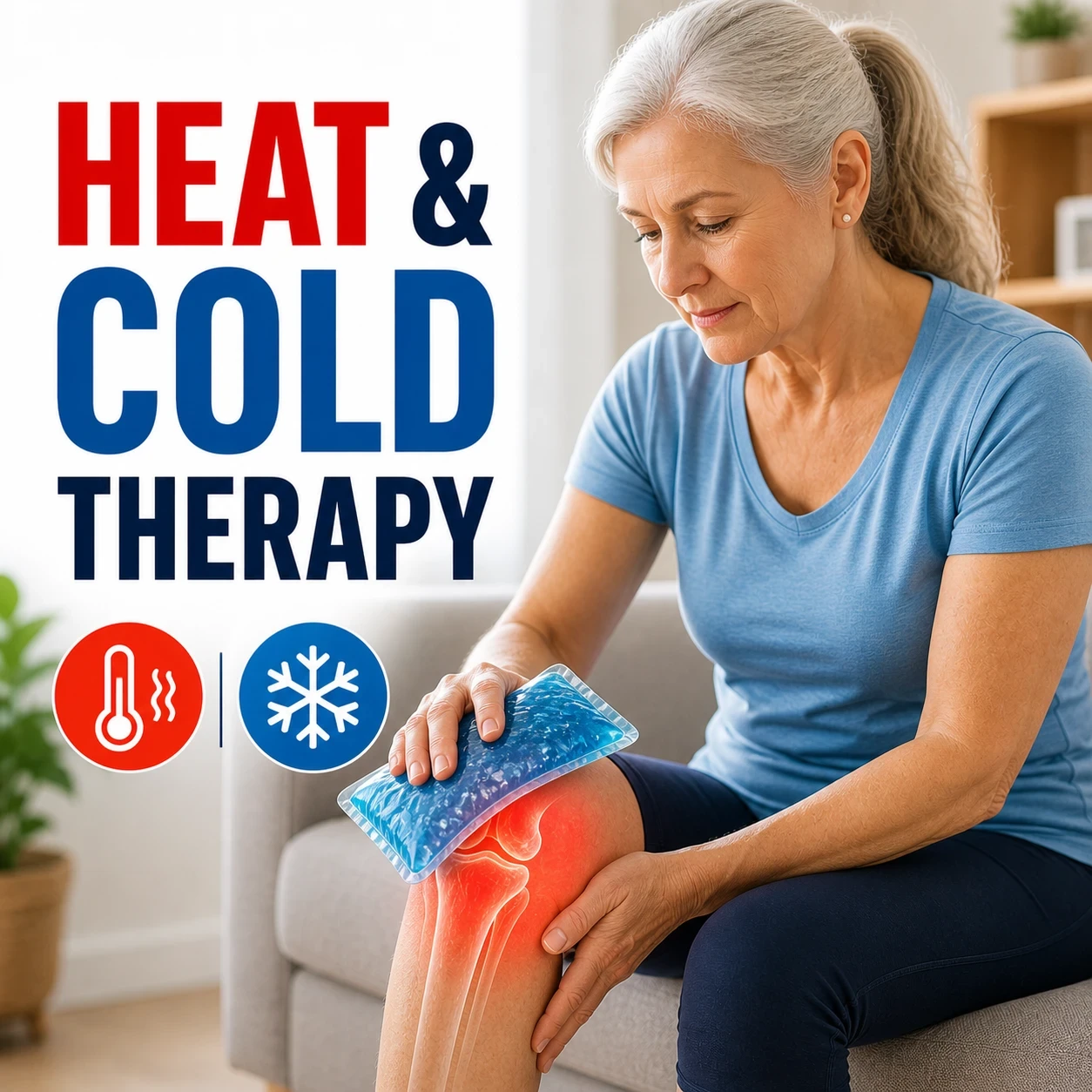
Heat Therapy and Recovery
Heat therapy is a simple but effective knee pain treatment for reducing stiffness and improving comfort. Applying heat helps increase blood flow and relax surrounding muscles.
This approach is particularly useful before activity or in the evening when stiffness tends to build. You can learn more about this method in how heat therapy supports pain relief.
Rest and Load Management
Balancing activity and rest is an important part of knee pain treatment. Too much activity without recovery can increase irritation, while too little movement can lead to stiffness.
Adjusting activity levels based on how the body feels helps prevent flare-ups. This approach allows the joint to recover while maintaining progress.
Posture and Movement Correction
Improving how the body moves is often overlooked in knee pain treatment. Small changes in posture and alignment can reduce unnecessary stress on the joint.
For example, better hip control can improve knee positioning during walking or exercise. These adjustments help distribute load more evenly and reduce strain.
Supportive Therapies
Additional methods can support knee pain treatment when used alongside movement and strengthening.
- TENS therapy for pain management. Go Here.
- Topical treatments for local relief
- Support braces for added stability
These options work best as part of a broader approach rather than as standalone solutions.
Managing Flare-Ups
Knee pain treatment often involves managing flare-ups effectively. These are periods where symptoms increase temporarily.
Reducing activity intensity while maintaining gentle movement helps the body settle. Understanding these patterns prevents unnecessary concern and supports steady improvement.
Daily Habits That Support Recovery
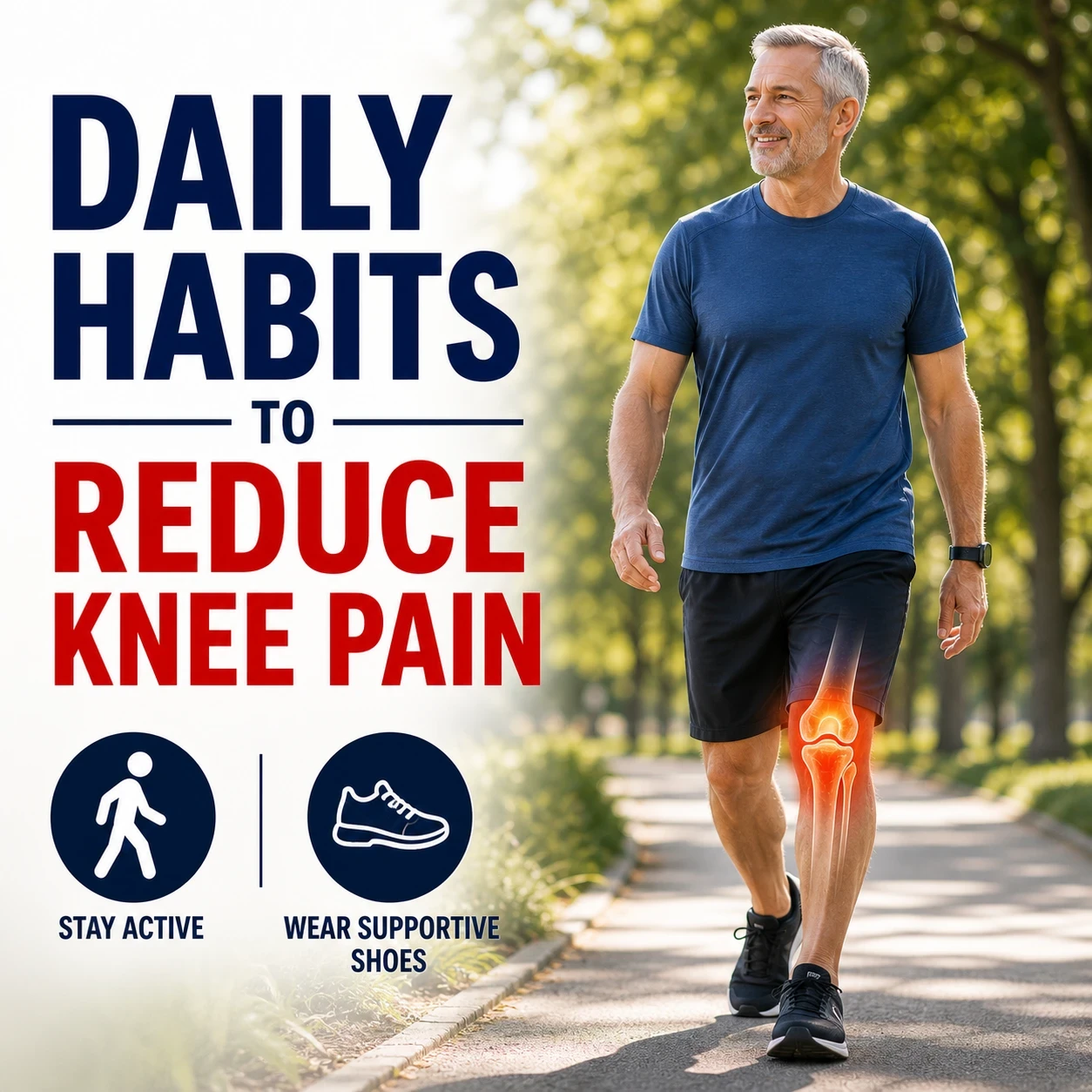
Consistency is essential for effective knee pain treatment. Small daily habits can gradually improve how the joint functions.
- Stay active without overloading the joint
- Take regular movement breaks
- Wear supportive footwear
- Maintain a healthy weight
These habits reduce stress and support long-term improvement.
When to Seek Professional Help
While many cases improve with self-care, some situations require professional support. These include:
- Persistent symptoms lasting several weeks
- Significant swelling or instability
- Difficulty bearing weight
- Sudden or severe discomfort
Seeking advice early can guide the right knee pain treatment and prevent further complications.
Long-Term Knee Pain Treatment Strategy
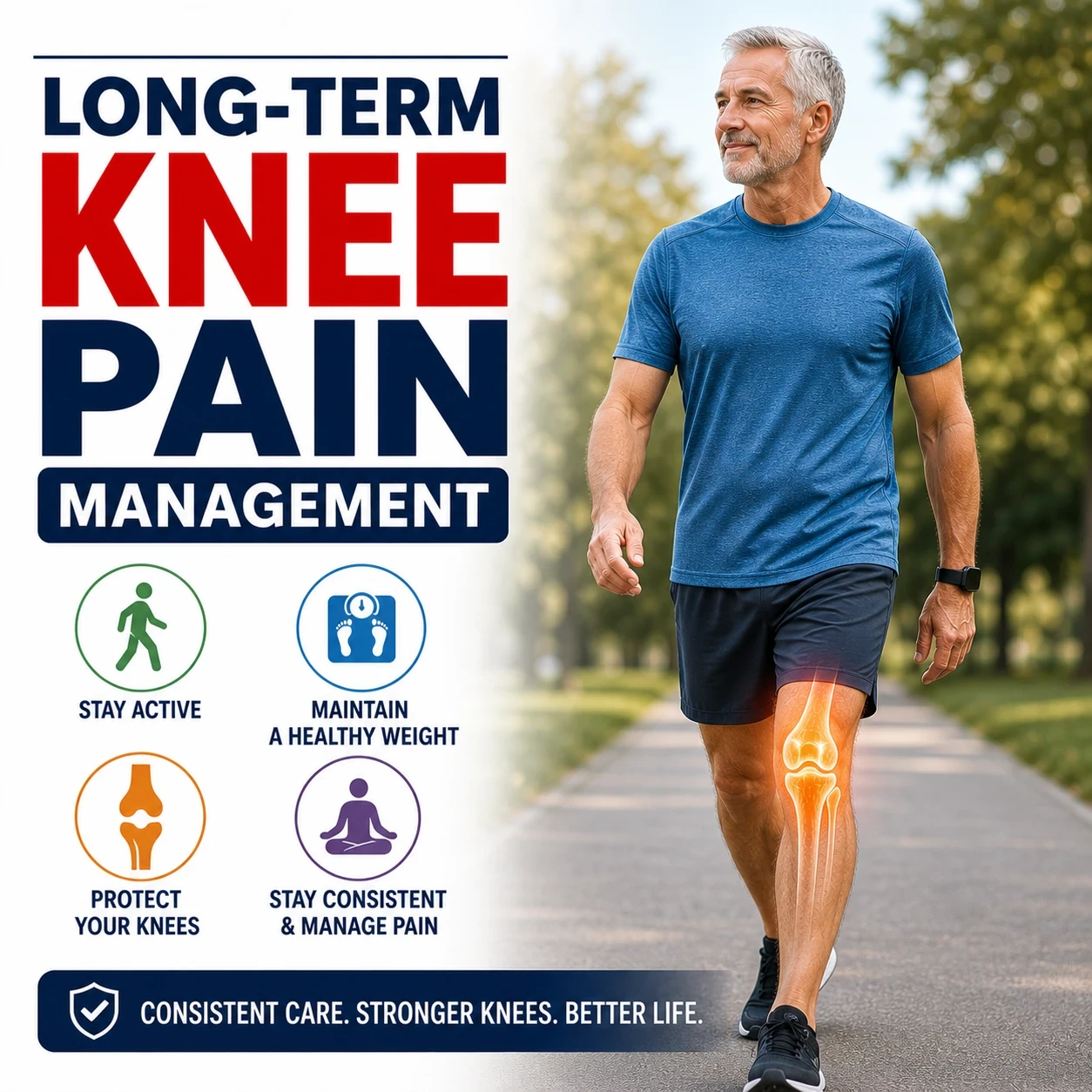
Long-term knee pain treatment focuses on building strength, improving movement, and maintaining consistency. It is rarely about a quick fix.
Tracking progress helps identify what works and what needs adjustment. Over time, this approach leads to better control and improved confidence in movement.
With the right strategy, most people can reduce discomfort and return to normal activities without ongoing limitations.
Frequently Asked Questions
What is the best knee pain treatment?
The best knee pain treatment usually involves a combination of movement, strength work, and recovery strategies rather than a single solution.
Should I stop exercising?
No, gentle movement is often part of effective knee pain treatment. The key is choosing low-impact activities and progressing gradually.
How long does recovery take?
This depends on the cause, but consistent knee pain treatment typically leads to gradual improvement over time.
Can heat therapy help?
Yes, heat is commonly used in knee pain treatment to reduce stiffness and improve comfort.
When should I get help?
If symptoms are severe or persistent, professional guidance can help determine the most appropriate knee pain treatment.
Scientific Studies
https://www.ncbi.nlm.nih.gov/pmc/articles/PMC3766936/
https://www.ncbi.nlm.nih.gov/pmc/articles/PMC5479046/
Flare-Ups and Recovery
This type of pain can fluctuate, with periods of improvement followed by flare-ups. These are often triggered by changes in activity or stress levels.
Managing these periods involves reducing intensity while keeping gentle movement. This helps the body settle without losing progress.
When to Seek Help
While many cases improve with self-care, there are times when professional advice is needed.
- Persistent symptoms lasting several weeks
- Swelling or visible changes
- Difficulty walking or bearing weight
- Sudden or severe discomfort
Seeking guidance early can prevent pain from becoming more difficult to manage.
Scientific Studies
https://www.ncbi.nlm.nih.gov/pmc/articles/PMC3766936/
https://www.ncbi.nlm.nih.gov/pmc/articles/PMC5479046/