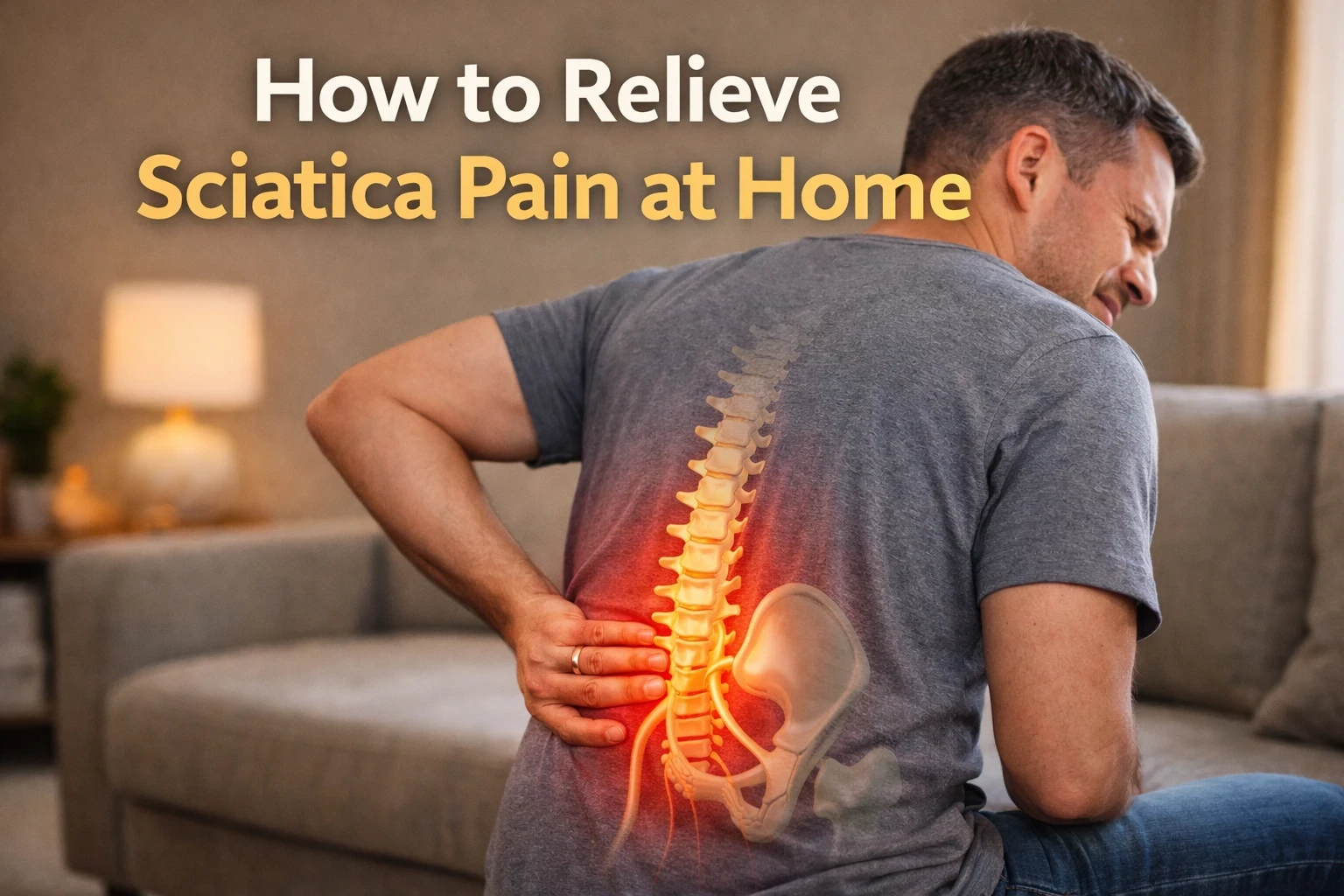
How To Relieve Sciatica Pain At Home Follow These important steps
How to Relieve Sciatica Pain at Home
How to relieve sciatica pain at home becomes a priority when pain starts to interfere with simple movements like sitting, walking, or sleeping.
Sciatica often presents as a sharp or burning sensation that travels from the lower back into the hip and down the leg.
While it can feel alarming, there are practical ways to manage symptoms from home.
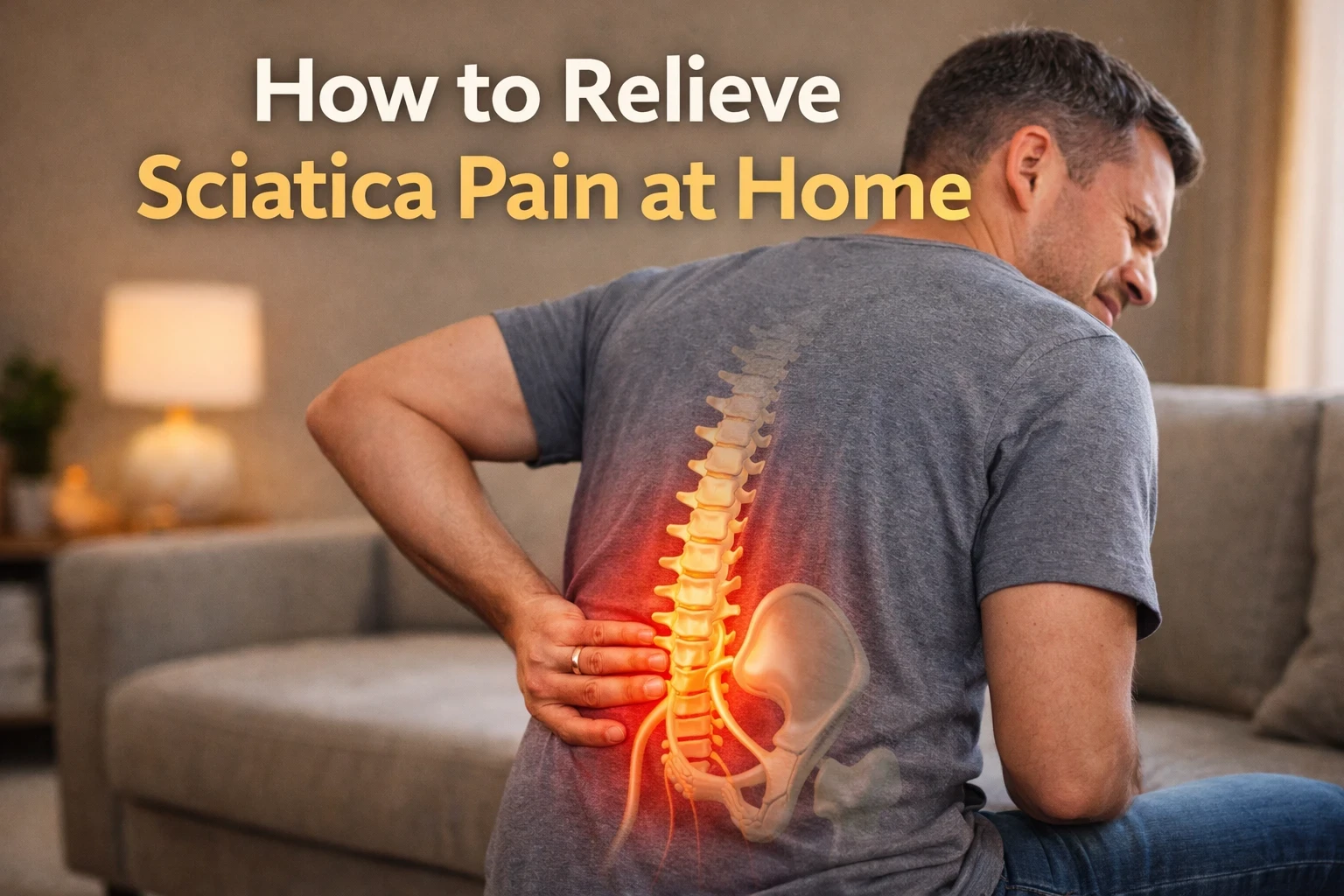
What Sciatica Really Feels Like
Sciatica is not a condition on its own but a description of nerve irritation.
When the sciatic nerve is compressed or sensitised, it can produce symptoms such as tingling, numbness, or shooting pain.
Understanding this helps shift the focus from fear to action, which is essential when learning how to relieve sciatica pain at home effectively.
Controlled Movement Instead of Rest
One of the biggest mistakes people make is staying completely still.
While short rest periods can help during severe flare-ups, prolonged inactivity often increases stiffness and discomfort.
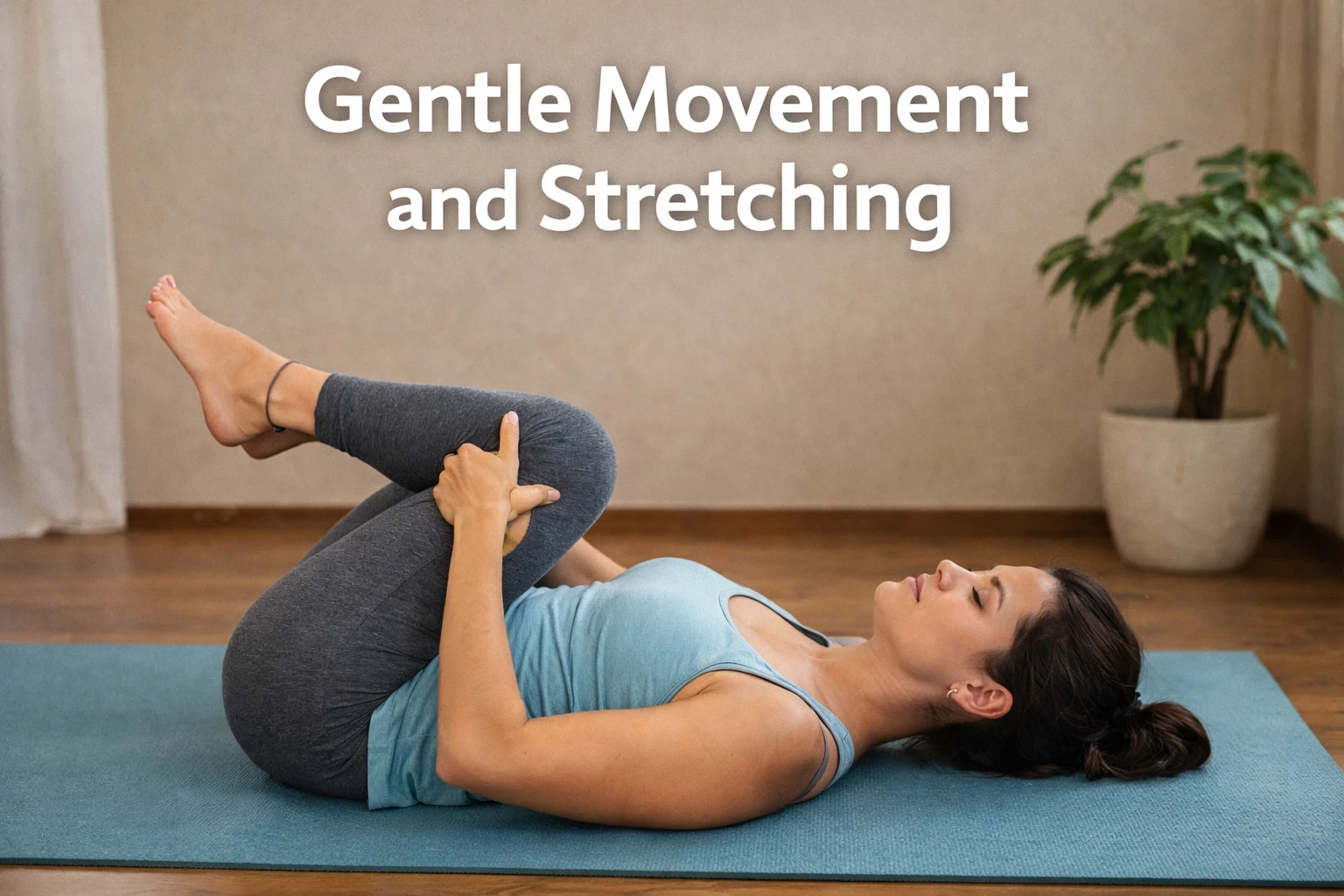
Simple, controlled movements can reduce tension around the nerve:
- Bringing one knee gently toward the chest
- Rotating the spine slowly while seated
- Stretching the hip muscles gradually
Consistency matters more than intensity. This is a key principle in how to relieve sciatica pain at home.
For structured routines, visit https://beyond-pain-relief.com/back-pain-recovery-exercises-safe-movement-that-supports-healing/
Using Temperature for Relief
Temperature-based strategies can calm symptoms quickly.
- Cold packs are useful when the area feels inflamed or irritated
- Heat can help loosen tight muscles and improve circulation
Switching between both can often give better results than using just one approach.
This simple method supports how to relieve sciatica pain at home in a practical way.
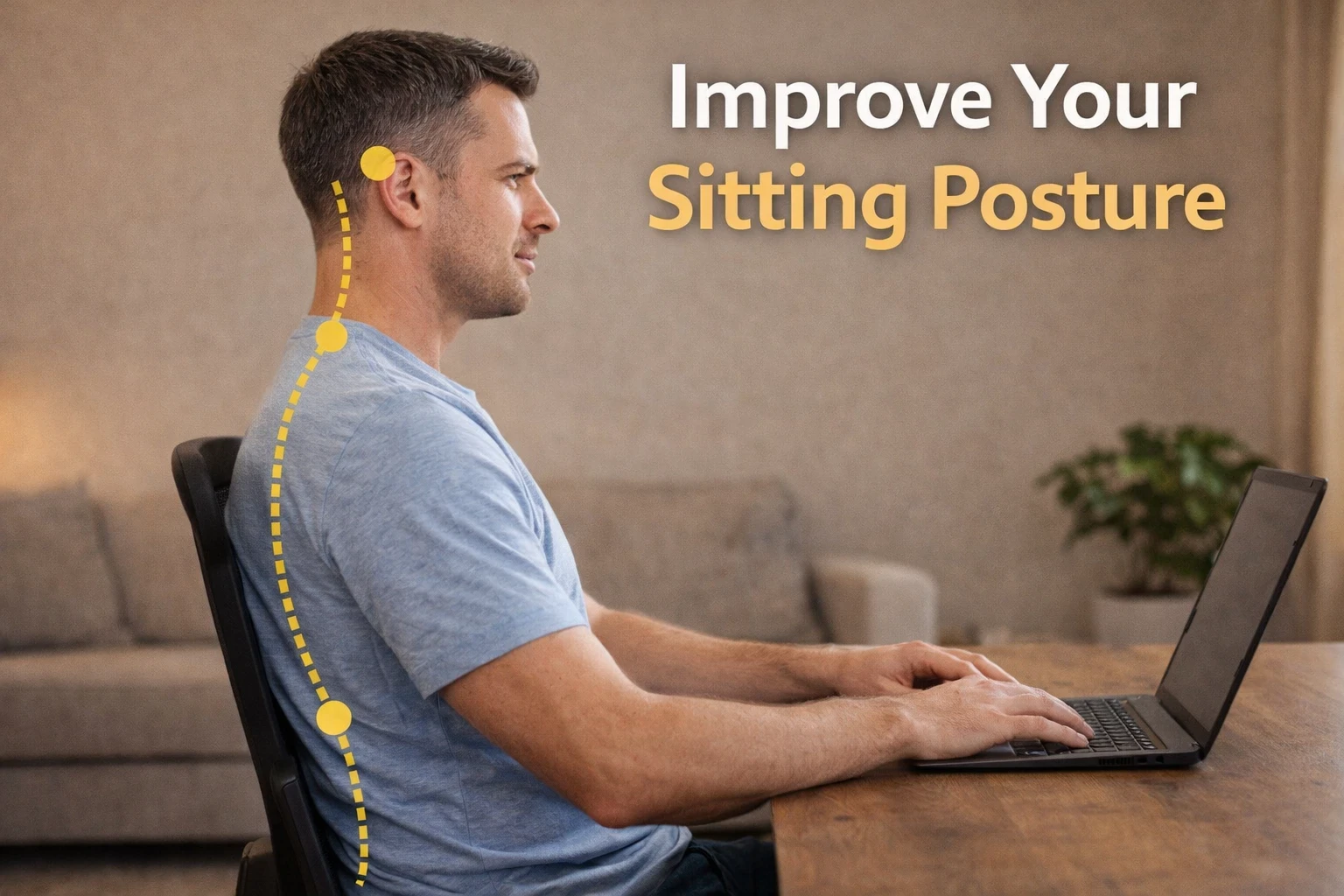
Rethinking How You Sit
Sitting habits often contribute more to sciatica than people realise.
Slouching or leaning forward places extra load on the lower back.
Small changes can help:
- Sitting with hips slightly higher than knees
- Supporting the lower back with a cushion
- Taking regular breaks from sitting
These adjustments reduce pressure on the nerve and support recovery.
You can explore this further here:
how pain signals are generated.
Keep Moving, But Stay Smart
Movement should feel manageable, not forced.
Activities like walking at a comfortable pace can help maintain circulation and prevent stiffness.
The goal is to stay active without triggering flare-ups. This balance is central to how to relieve sciatica pain at home.
Build Strength Around the Spine
Improving strength around the lower back and core creates better support for the spine.
- Lifting hips gently from the floor
- Stabilising movements like bird-dog
- Engaging the abdominal muscles during movement
Over time, this can reduce strain on the sciatic nerve.
Support the Body Internally
Inflammation can make nerve sensitivity worse.
Supporting your body through nutrition and hydration can play a small but helpful role.
- Adding anti-inflammatory foods
- Drinking enough water daily
- Reducing highly processed foods
For more ideas, visit: HerbPro here.
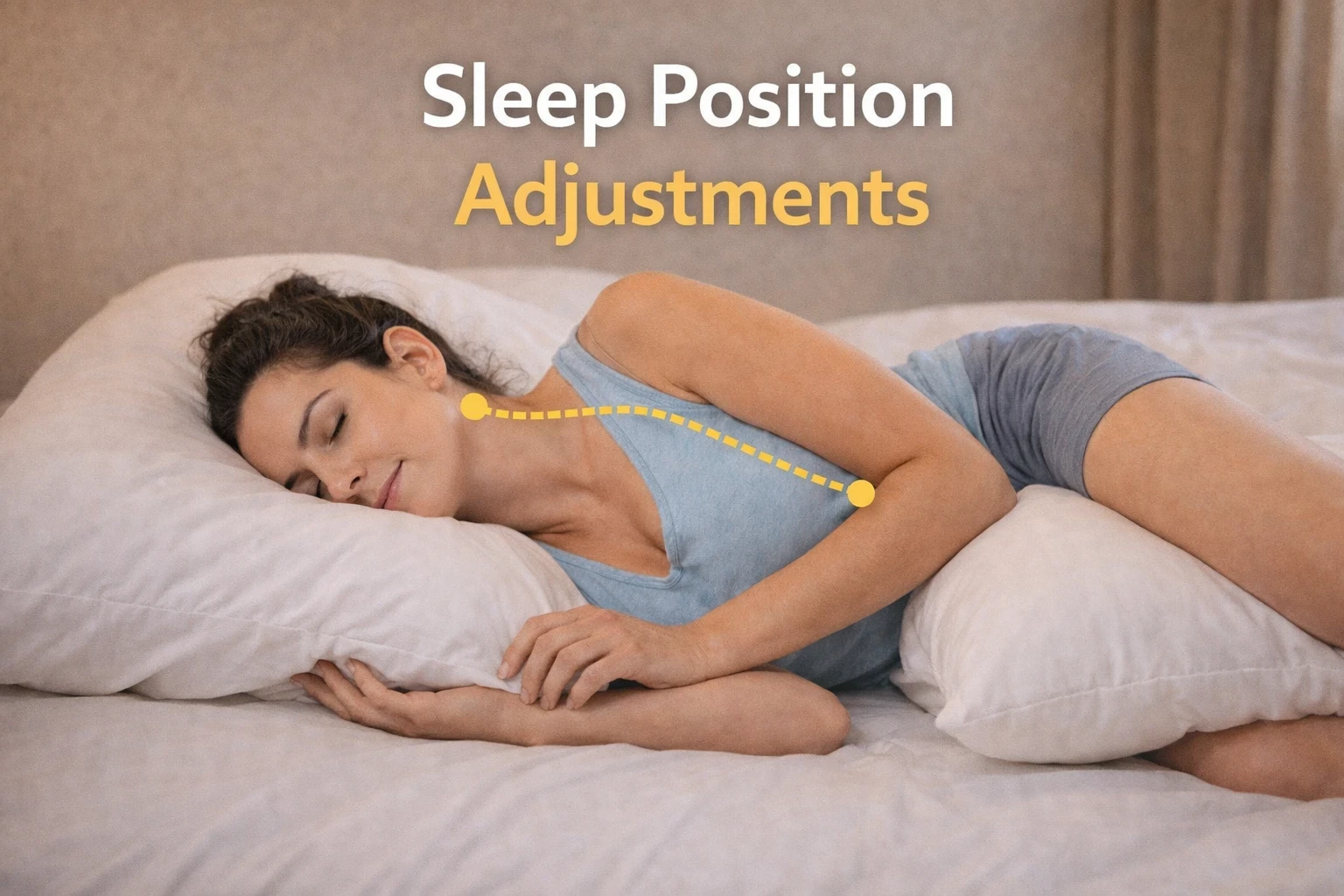
Adjust How You Sleep
Night-time discomfort is common with sciatica. Small changes in sleep position can reduce strain on the lower back.
- Lying on your side with a pillow between your knees
- Lying on your back with support under your knees
These positions can reduce pressure and improve comfort overnight.
Calm the Nervous System
Pain is not just physical — the nervous system also plays a role. Stress and tension can increase sensitivity and make symptoms feel worse.
- Slow breathing exercises
- Gentle stretching before bed
- Taking time to relax mentally
You can learn more here: https://beyond-pain-relief.com/mental-health-and-pain-managementmental
When to Seek Help
Most cases improve over time, but some symptoms should not be ignored:
- Increasing weakness in the leg
- Loss of sensation
- Changes in bladder or bowel control
These signs require medical attention.
A Realistic View of Recovery
Recovery from sciatica is rarely instant.
However, consistent daily habits often lead to gradual improvement.
Focusing on movement, posture, and recovery strategies together provides the best chance of long-term relief.
FAQ: How to Relieve Sciatica Pain at Home
What is the quickest way to ease sciatica pain at home?
Using cold therapy, gentle movement, and avoiding long periods of sitting can help ease symptoms relatively quickly.
Does sciatica always need medical treatment?
Not always. Many cases improve with home care and gradual activity.
Is walking helpful for sciatica?
Yes, walking at a comfortable pace can reduce stiffness and support recovery.
Should I stop exercising with sciatica?
No, but activity should be adjusted. Gentle, controlled movement is usually beneficial.
What position reduces sciatica pain at night?
Sleeping with support under or between the knees can reduce pressure on the lower back.
Can stress make sciatica worse?
Yes, stress can increase muscle tension and pain sensitivity.
When should I worry about sciatica pain?
If symptoms worsen, or include weakness or loss of control, seek medical advice.
Do natural remedies help sciatica?
They can support overall recovery, especially when combined with movement and lifestyle changes.
Scientific Studies
https://pubmed.ncbi.nlm.nih.gov/31135307/
https://pubmed.ncbi.nlm.nih.gov/29626600/