Brain Pain Relief Science Causes What Could Help
Brain Pain Relief
Brain pain relief is a priority for anyone dealing with headaches, migraines, or neurological discomfort that interferes with daily life. While the brain itself cannot feel pain, the surrounding nerves, blood vessels, and tissues can trigger powerful pain signals.
Understanding how these signals develop is the first step toward lasting relief.
What Is Brain Pain?
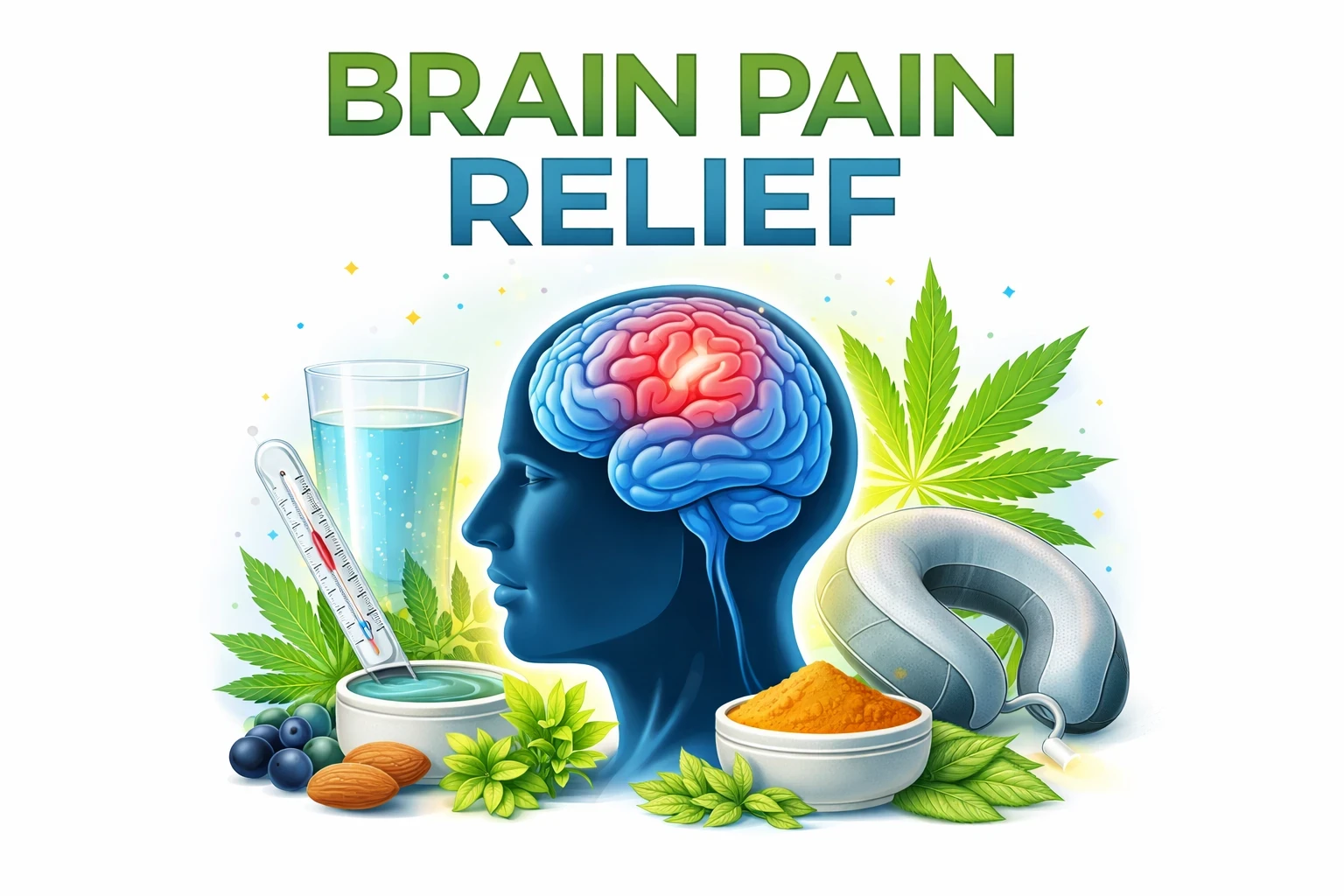
Brain pain usually presents as headaches, migraines, or nerve-related discomfort in the head.
These sensations occur when pain-sensitive structures such as the meninges, cranial nerves, or blood vessels become irritated.
Unlike muscle or joint pain, brain pain is heavily influenced by the nervous system.
Stress, sleep quality, posture, and emotional health all play a role in how pain is experienced.
How Brain Pain Develops
Brain pain develops when signals from irritated tissues are sent to the brain and interpreted as discomfort.
Over time, the brain can become more sensitive, meaning even small triggers can cause stronger pain responses.
Common triggers include:
- Muscle tension in the neck and shoulders
- Blood vessel changes
- Hormonal fluctuations
- Dehydration
- Stress and sensory overload
To understand this more clearly, see how pain is processed in how pain signals are generated.
Common Causes of Brain Pain
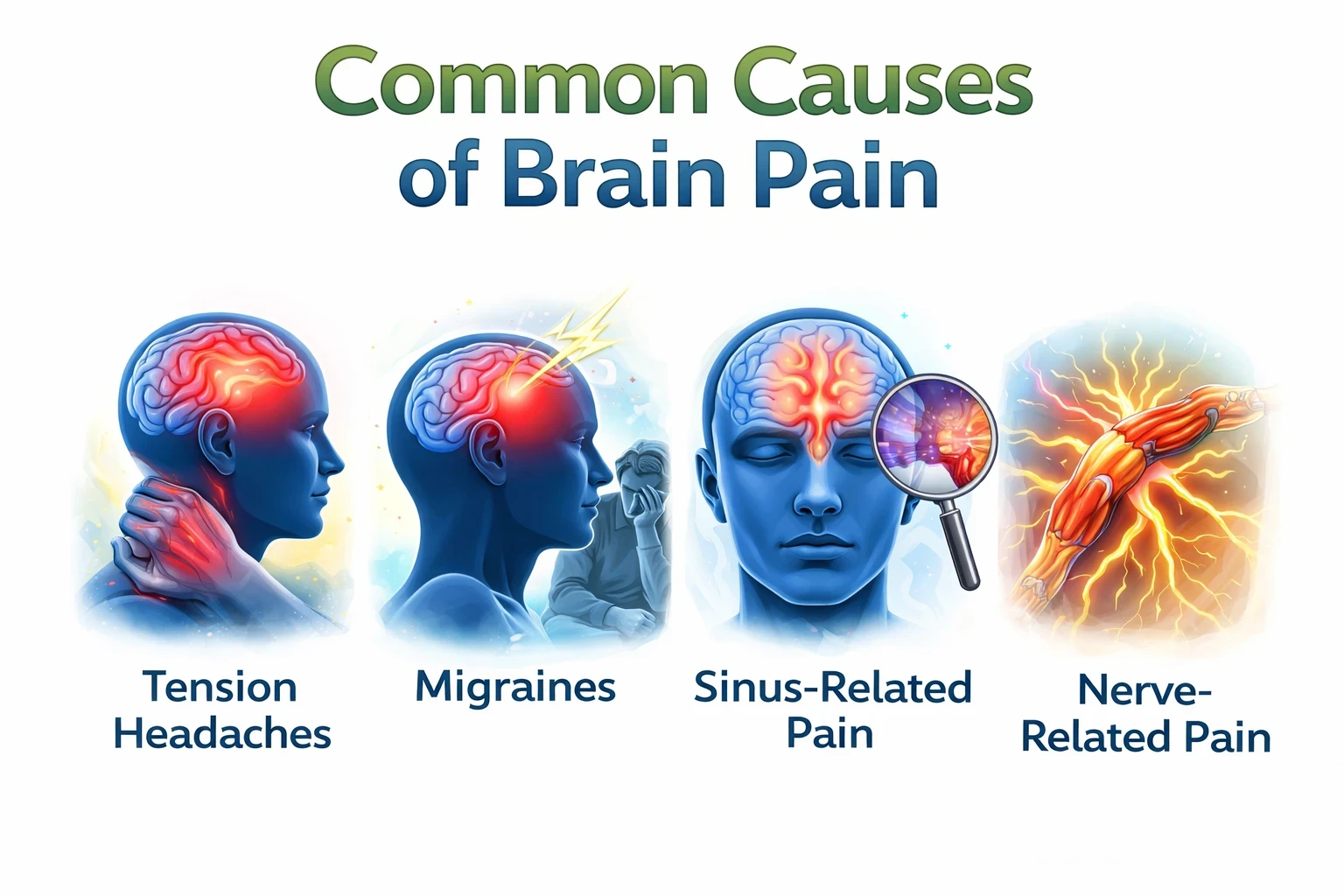
Tension Headaches
Often linked to stress or posture, these feel like a tight band around the head.
Migraines
Migraines involve neurological changes and may include throbbing pain, nausea, and light sensitivity.
Cluster Headaches
These are intense, short bursts of pain usually focused around one eye.
Sinus-Related Pain
Inflammation in the sinuses can create pressure in the forehead and face.
Nerve-Related Pain
Irritated nerves can cause sharp or burning sensations.
Science Behind Brain Pain Relief
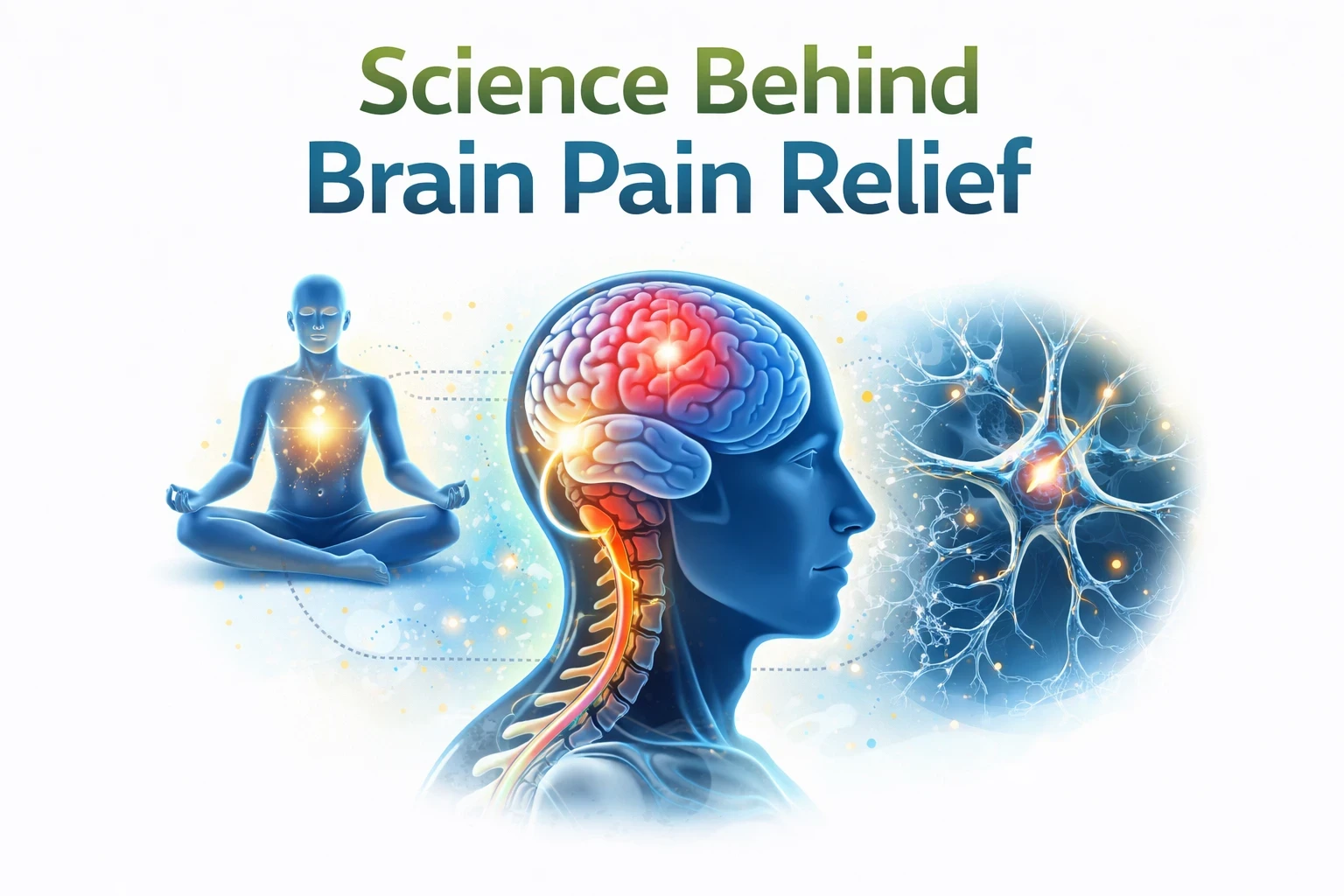
Effective relief focuses on calming the nervous system and reducing sensitivity.
Pain is not just physical—it is influenced by how the brain interprets signals.
Modern pain science shows that lowering overall stress levels, improving movement, and supporting sleep can significantly reduce pain intensity over time.
To explore this deeper, see the brain and pain connection.
Effective Brain Pain Relief Strategies
A combined approach works best for long-term results.
Hydration and Nutrition
Dehydration is a major trigger. Consistent water intake and balanced nutrition help reduce headache frequency.
Movement and Posture
Gentle movement reduces muscle tension, while improved posture prevents strain that contributes to pain.
Stress Management
Breathing exercises, relaxation techniques, and mindfulness can calm the nervous system and reduce pain signals.
Sleep Optimization
Poor sleep increases pain sensitivity. A consistent sleep routine supports recovery and reduces flare-ups.
Temperature Therapy
- Cold therapy helps reduce inflammation (useful for migraines)
- Heat helps relax muscles (useful for tension headaches)
Conditions That Benefit from Brain Pain Relief Approaches
These strategies may help with:
- Chronic headaches
- Migraines
- Stress-related tension
- Nervous system sensitivity
- Postural strain
The Role of Lifestyle in Brain Pain Relief
Lifestyle plays a major role in the brain.
Small daily habits can either increase or decrease pain sensitivity.
Key factors include:
- Regular physical activity
- Managing screen time
- Reducing caffeine overuse
- Maintaining consistent sleep patterns
You can learn more about this in movement, load, and pain sensitivity.
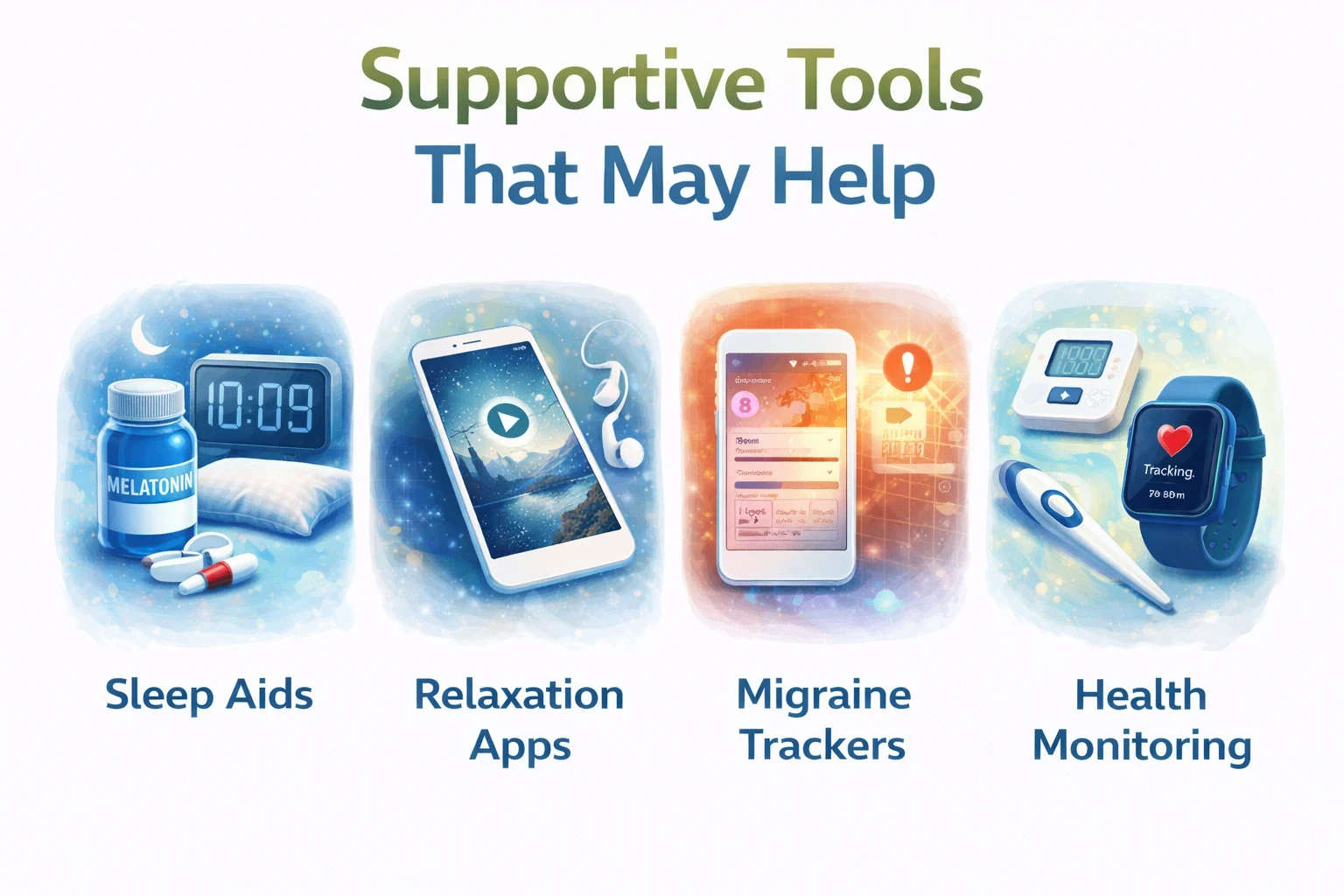
Supportive Tools That May Help
Some tools can support brain pain relief:
- Ergonomic chairs and desk setups
- Neck support pillows
- Blue light filtering glasses
- Relaxation and breathing apps
These tools help reduce strain and regulate the nervous system.
Where CBD Fits Into Brain Pain Relief
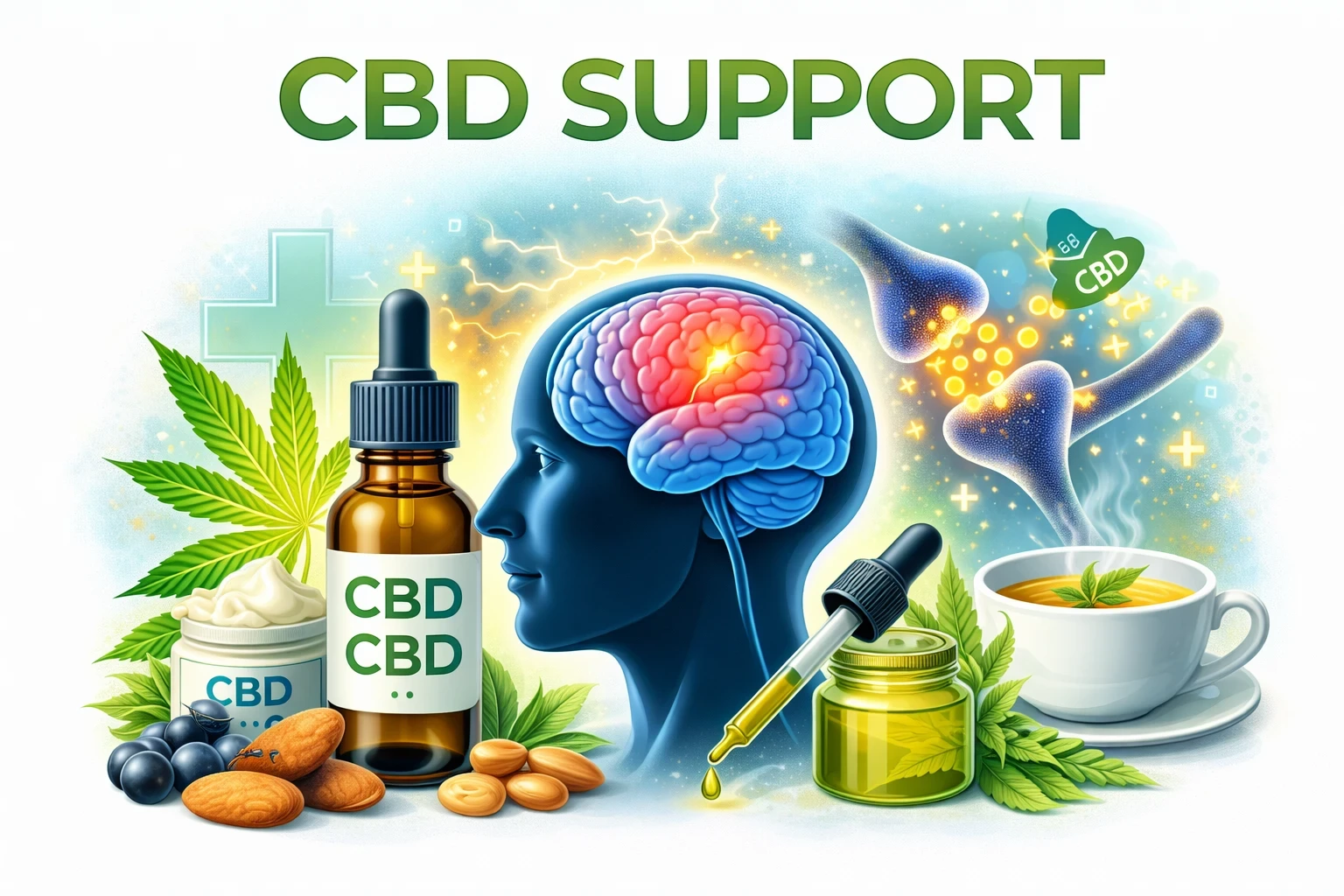
CBD is sometimes explored as a supportive option for pain relief, particularly when stress, inflammation, or sleep issues are involved.
CBD may help:
- Support relaxation and stress regulation
- Improve sleep quality
- Reduce inflammation linked to headaches
However, research is still developing, and results vary between individuals.
CBD should not be seen as a primary solution but as an optional addition. Go here.
If you want to explore this further, see CBD and mental health support for pain.
Safety and When to Seek Help
While most cases improve with self-management, seek medical advice if you experience:
- Sudden severe headaches
- Vision or speech changes
- Persistent or worsening symptoms
- Head pain after injury
A Balanced Perspective on Brain Pain Relief
Brain pain relief is not about eliminating pain instantly but reducing its intensity and frequency over time. The most effective approach combines:
- Movement
- Stress management
- Sleep improvement
- Education
Supportive options like CBD may help in some cases, but the foundation always comes from consistent lifestyle habits.
FAQ: Brain Pain Relief
What is the fastest way to achieve brain pain relief?
Hydration, rest, and temperature therapy can provide quick relief depending on the cause.
What causes brain pain most often?
Stress, muscle tension, dehydration, and poor sleep are the most common triggers.
Can lifestyle changes improve brain pain relief?
Yes, consistent habits like better sleep and movement can significantly reduce pain over time.
Is CBD effective for brain pain relief?
CBD may help some people, particularly for stress and sleep, but it should be used as a supportive option rather than a primary treatment.
Scientific Studies
https://pubmed.ncbi.nlm.nih.gov/12656709/
https://pubmed.ncbi.nlm.nih.gov/19434790/