Joint Pain Relief with Ayurveda: Natural Ways to Reduce Pain and Improve Mobility
Joint pain relief with Ayurveda focuses on addressing the root cause of discomfort rather than simply masking symptoms. This ancient system of healing uses herbs, oils, diet, and lifestyle changes to support long-term joint health in a natural and balanced way.
If you’re dealing with stiffness, inflammation, or reduced mobility, Ayurveda offers a structured and time-tested approach that may help restore comfort and movement without relying solely on medication.
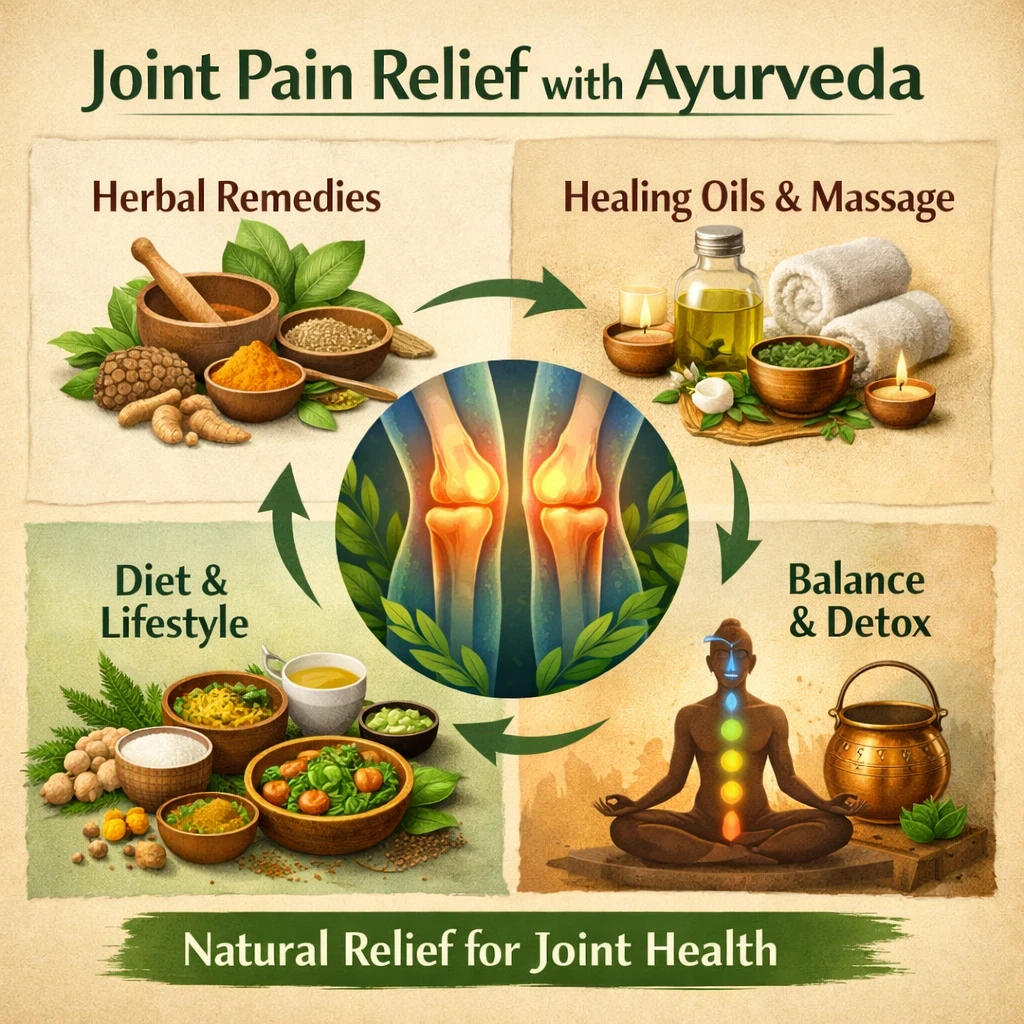
What Is Joint Pain Relief with Ayurveda?
In Ayurveda, joint pain is often linked to an imbalance in the body’s energy systems, particularly the Vata dosha. When Vata becomes excessive, it can lead to dryness, stiffness, and discomfort in the joints.
Joint pain relief with Ayurveda aims to rebalance these internal systems through natural methods that support healing from within. Instead of focusing only on pain relief, Ayurveda works to:
- Reduce inflammation naturally
- Improve joint lubrication
- Enhance circulation
- Support overall body balance
For a deeper understanding of how these principles work, you can explore how Ayurveda products improve health.
How Joint Pain Relief with Ayurveda Works in the Body
Joint pain reduction with Ayurveda works by targeting both inflammation and the underlying imbalance causing it. One key concept is the removal of “Ama,” or toxins, which can accumulate in the joints and trigger pain and stiffness.
At the same time, Ayurvedic remedies aim to:
- Calm inflammation using herbal compounds
- Strengthen joint tissues and cartilage
- Improve digestion and metabolism
- Restore natural movement and flexibility
This combined effect is what makes Joint pain relief with Ayurveda different from short-term solutions.

Best Ayurvedic Herbs for Joint Pain Relief
Herbs play a central role in Joint pain reduction with Ayurveda. Many of these herbs have been studied for their anti-inflammatory and pain-relieving effects.
1. Turmeric
Turmeric contains curcumin, a powerful anti-inflammatory compound that helps reduce swelling and joint stiffness.
2. Ashwagandha
This adaptogenic herb supports stress reduction and helps improve joint strength and mobility over time.
3. Boswellia (Shallaki)
Known for protecting cartilage and reducing inflammation, Boswellia is widely used for chronic joint conditions.
4. Ginger
Ginger contains natural compounds that act similarly to anti-inflammatory medications, helping reduce pain naturally.
5. Guggul
Guggul is traditionally used to reduce joint swelling and support long-term joint health.
If you’re considering natural formulations that combine several of these herbs, you can explore Ayurvedic joint and muscle care products here for options that align with traditional principles.
You can also explore how these herbs are used in practice in Ayurvedic herbs for muscle pain.
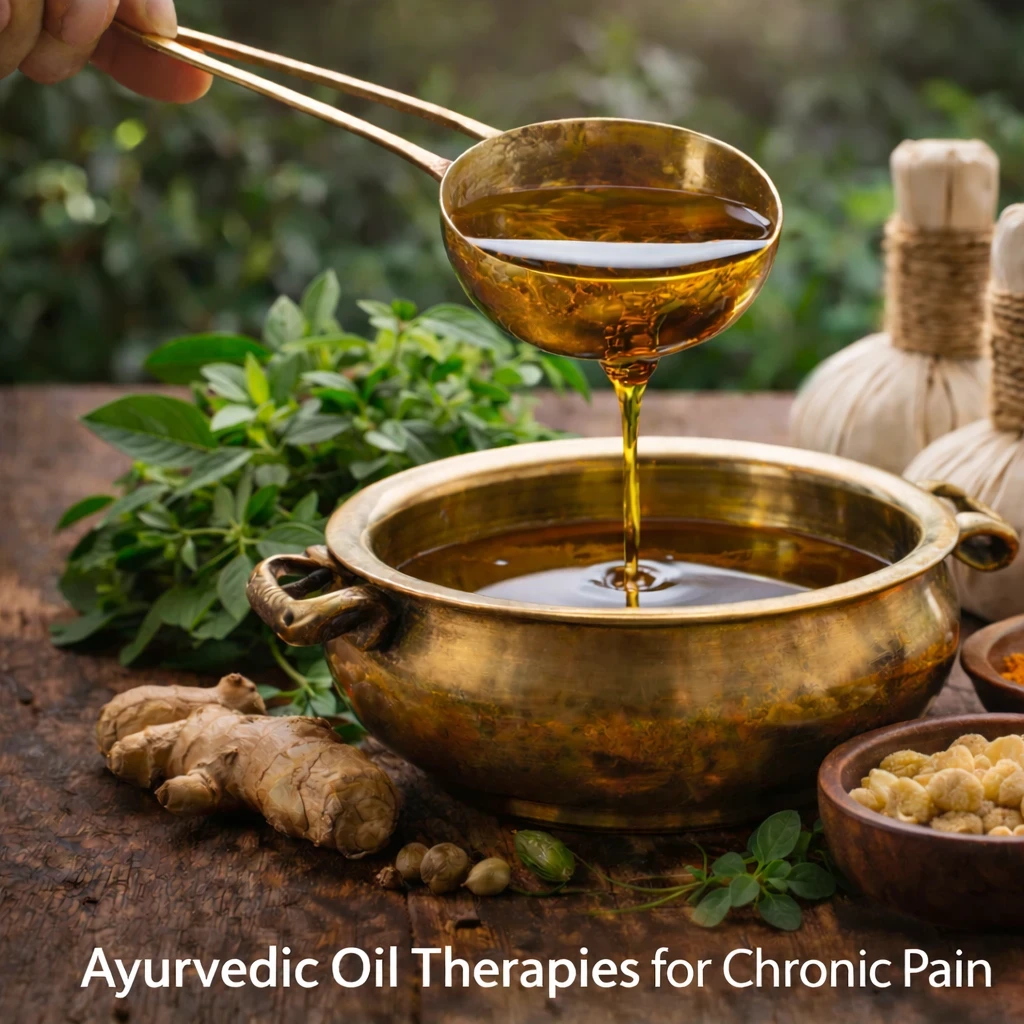
Ayurvedic Oils and Massage for Joint Pain Relief
External treatments are a key part of Joint pain reduction with Ayurveda. One of the most effective is Abhyanga, or warm oil massage.
This approach helps to:
- Improve blood circulation
- Reduce stiffness
- Lubricate joints naturally
- Relax surrounding muscles
Using high-quality herbal oils is important for results. You can view trusted Ayurvedic oils for joint pain relief that are designed for regular massage and long-term support.
Diet and Lifestyle for Joint Pain Relief with Ayurveda
Diet plays a major role in Joint pain relief with Ayurveda. Certain foods can either increase or reduce inflammation in the body.
Foods That May Help
- Warm, cooked meals
- Anti-inflammatory spices like turmeric and ginger
- Healthy fats such as olive oil and ghee
- Leafy greens and vegetables
Foods to Limit
- Processed foods
- Cold or raw foods (in excess)
- Sugary and fried foods

Conditions That May Benefit from Joint Pain Relief with Ayurveda
Joint pain relief with Ayurveda may support a wide range of conditions, including:
- Osteoarthritis
- Rheumatoid arthritis
- General joint stiffness
- Sports-related joint pain
- Age-related wear and tear
Additional Ayurvedic Therapies for Joint Health
Beyond herbs and diet, Joint pain relief with Ayurveda may include:
- Panchakarma detox therapies
- Yoga to improve flexibility and strength
- Heat therapies to reduce stiffness
- Herbal compress treatments
To support these therapies at home, many people choose to use Ayurvedic joint support products that combine traditional ingredients with modern convenience.

Why Quality Matters in Ayurvedic Products
Not all herbal products are created equal. For effective Joint pain relief with Ayurveda, quality plays a crucial role.
- Use standardized herbal extracts
- Avoid additives and fillers
- Choose trusted sources
- Follow traditional preparation methods
If you want reliable options, it’s worth taking time to browse quality-assured Ayurvedic joint care products that meet these standards.
Limitations and Balanced Perspective
While Joint pain treatment with Ayurveda can be highly effective, it’s important to keep expectations realistic.
- Results may take time
- Severe conditions may require medical care
- Consistency is essential
FAQ: Joint Pain Relief with Ayurveda
How long does Ayurveda take to relieve joint pain?
Many people notice improvements within a few weeks with consistent use.
Is Ayurveda safe for chronic joint pain?
Yes, when used correctly and under guidance if needed.
Can Ayurvedic oils help joint pain?
Regular oil massage can improve circulation and reduce stiffness.
Do I need to change my diet?
Diet plays a key role and can significantly improve results.
Final Thoughts
Joint pain treatment with Ayurveda offers a natural and sustainable approach to managing joint discomfort. By combining herbs, oils, diet, and lifestyle changes, it supports the body’s ability to heal rather than just masking symptoms.
For more natural approaches, you can also explore Ayurvedic remedies for chronic pain.
https://pubmed.ncbi.nlm.nih.gov/19594223/
—