Beyond Pain Relief For Mental Health
Beyond Pain Relief for Mental Health
Ongoing pain on a daily basis can have a negative effect on more than just your body.
It influences thoughts, emotions, confidence, and how safe the world feels. Beyond pain relief for mental health means recognising that pain is not only a physical sensation but also a deeply human experience that touches every part of daily life.
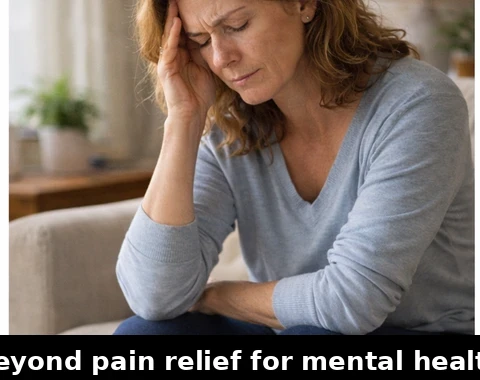
Many people experiencing persistent pain also struggle with low mood, anxiety, frustration, or a sense of loss.
If you are in this situation don’t look upon it as weakness or take it personally.
It is a natural response to living in a body that feels unpredictable or unsafe. Understanding this connection can be the first gentle step toward change.
Pain and Mental Health Are Closely Connected
Pain and mental health are not separate systems. Your brain is central to pain and mental health.
The same areas of the brain that process physical pain also influence emotions, stress responses, and mood regulation.
When pain lasts for months or years, the nervous system can remain in a heightened state of alert.
- This constant alertness can lead to:
- Increased worry or fear around movement
- Poor sleep and ongoing fatigue
- Difficulty concentrating or remembering things
- Low mood or emotional withdrawal
- A reduced sense of enjoyment or motivation
Beyond pain relief for mental health starts with understanding that these reactions are protective, not harmful.
The brain is trying to keep the person safe, even when that protection becomes overactive.
Emotional Safety Matters as Much as Physical Comfort
Mental health improves when a person feels emotionally safe. Persistent pain often removes that sense of safety.
Everyday activities may begin to feel risky. Simple tasks can trigger fear of flare-ups or setbacks.
A kind approach to pain focuses on restoring trust in the body rather than fighting symptoms.
This includes:
- Learning that pain does not always equal damage
- Understanding that flare-ups are not failures
- Reframing fear-based thoughts with calm, factual reassurance
Beyond pain relief for mental health involves reducing fear, not pushing through it.
When fear reduces, the nervous system often becomes less reactive, and pain intensity may soften over time.
Understanding Reduces Emotional Distress
Uncertainty is one of the biggest drivers of mental distress in people with chronic pain.
When pain feels unexplained or unpredictable, the mind fills the gaps with worry.
Clear, simple education can help:
Pain is an output of the nervous system
Stress, sleep, mood, and past experiences influence pain
Sensitivity can increase even without tissue injury
The system can calm again with the right conditions
Understanding pain does not remove all symptoms instantly, but it often reduces fear, which supports better mental health.
Feeling informed replaces helplessness with clarity.
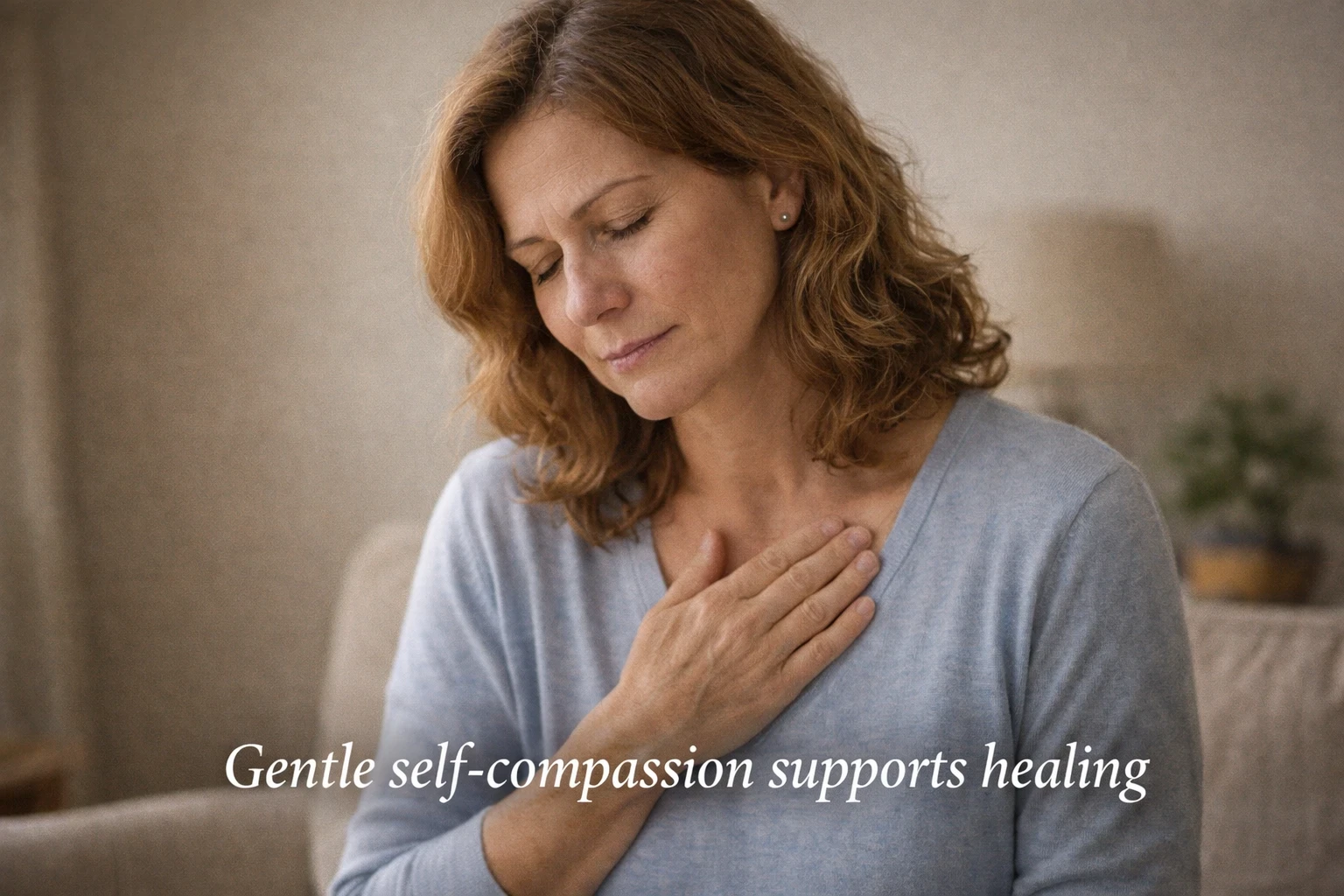
Gentle Self-Compassion Supports Healing
Many people living with pain are extremely hard on themselves.
They may feel guilty for resting, frustrated by limitations, or ashamed of needing support.
These internal pressures increase stress and emotional load.
Beyond pain relief for mental health includes practising self-compassion.
This means:
- Allowing rest without self-criticism
- Accepting limits without judgment
- Speaking to oneself with kindness instead of blame
Self-compassion is not giving up. It is creating the emotional conditions needed for the nervous system to settle.
Movement and Mental Wellbeing
Fear often leads people to avoid movement. Over time, this avoidance can increase both pain sensitivity and emotional distress.
Gentle, safe movement can support mental health by improving confidence and reducing nervous system threat.
This does not mean intense exercise. It may include:
- Short walks
- Light stretching
- Breathing-focused movement
- Gradual return to activities that feel meaningful
Beyond pain relief for mental health encourages movement that feels safe and controlled.
Each positive experience teaches the brain that the body is not in danger.
Connection and Support Matter
Pain can be isolating. When others cannot see it, people may feel misunderstood or alone.
Human connection is a powerful regulator of mental health and nervous system safety.
Support may come from:
- Trusted friends or family
- Supportive healthcare professionals
- Education-focused pain communities
- Calm, non-judgmental conversations
Feeling heard and believed can reduce emotional distress even when pain remains.

A Kinder Way Forward
Beyond pain relief for mental health is not about fixing everything at once.
It is about creating understanding, safety, and patience.
When fear reduces and confidence grows, both mental health and pain sensitivity can improve.
Pain does not define a person.
With knowledge, compassion, and gentle support, it is possible to move toward a calmer relationship with the body and a more hopeful mental state.
Understanding comes first. Relief often follows.

Thank you for writing about this often-overlooked connection. Your explanation of how chronic pain and mental well-being influence each other was both clear and compassionate. The section on the emotional toll of persistent pain—and the importance of addressing mental health as part of healing—really resonated with me.
One question that came to mind as I read: For someone beginning to explore the emotional dimensions of their pain, what would be a gentle, accessible first step you’d recommend? Also, are there particular mindfulness or self-care practices you’ve found especially supportive in managing pain-related stress?
This was an important and insightful read. Thank you for highlighting healing that goes beyond the physical.
Hi Cian, thank you.
Gentle first step:
Start by noticing, not fixing. Spend a few minutes each day simply observing your pain with curiosity—where it is, how it changes, and what emotions are present—without judging or trying to push it away.
Supportive practices:
Slow breathing (4–6 breaths per minute) to calm the nervous system
Body scan mindfulness to gently reconnect with sensations
Brief journaling (1–2 sentences) about how pain and emotions interact
Kind self-talk (“This is hard, and I’m doing my best”)
Small, consistent steps matter more than doing anything perfectly.
As someone who walked through a very dark season of mental health struggles a few years ago, I spent a lot of time feeling like my mind and my faith were at war. Back then, I thought “real” believers didn’t get depressed, and if I was struggling, it was just a “spiritual” problem. I wish I had seen this breakdown of how mental pain and physical signals are actually interconnected.
Hi Leah,
Thank you for your comments, you are right mental health can be affected by so many things not to mention physical well-being is so important to our mental health.
Fintan
This really resonated with me. I have lived with ongoing pain for years, and what is often overlooked is how deeply it affects mental health. You explained the constant stress of pain signals and how they wear you down emotionally, which articulates something I have struggled to explain to others. It’s not just the physical discomfort; it’s the anxiety, frustration, and mental exhaustion that come from never fully getting a break.
I appreciate how you connected the mind and body because acknowledging that link feels like an important step toward real healing, not just symptom management.
Hi Celia, Thank you very much appreciated. Fintan
Hi Celia, Thank you very much appreciated. Fintan