How Can Turmeric Help With Rheumatoid Arthritis
How can Turmeric help with Rheumatoid Arthritis
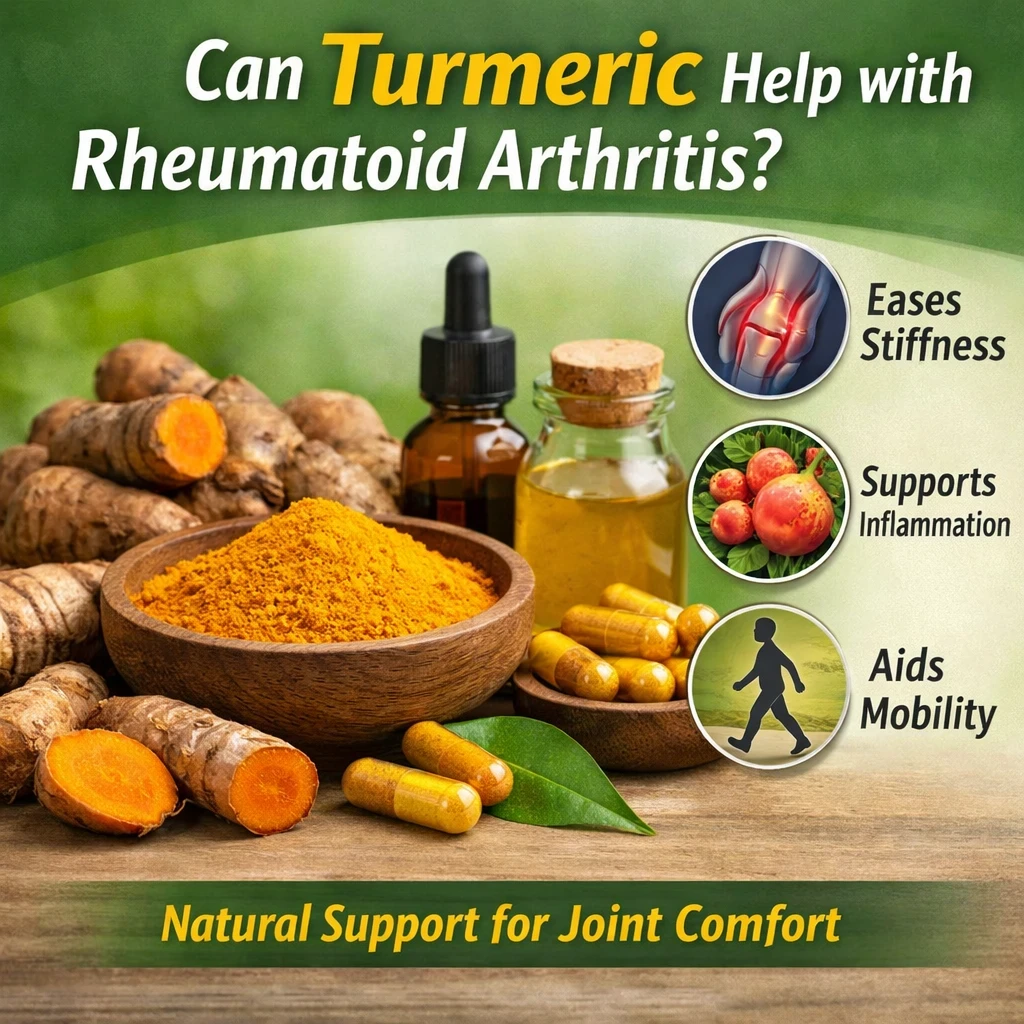
How can turmeric help with rheumatoid arthritis is a question many people ask when pain, stiffness, and swelling become part of everyday life.
Rheumatoid arthritis (RA) is an autoimmune condition. It is not caused by simple wear and tear.
The immune system plays a central role in driving inflammation, joint pain, and unpredictable flare-ups.
Turmeric is not a cure for rheumatoid arthritis. However, its active compound, curcumin, has been widely studied for how it may support inflammatory balance and daily joint comfort.
For some people, this support shows up as reduced morning stiffness, easier movement, or milder background pain.
Results vary, and turmeric is typically used alongside, not instead of, standard RA care.
For a broader joint-support foundation, this guide may help:
https://beyond-pain-relief.com/arthritis-pain-relief/
Why turmeric is usually discussed as curcumin
Turmeric root contains curcumin, but curcumin is naturally hard for the body to absorb.
Because of this, most research focuses on turmeric extracts or enhanced formulations rather than culinary turmeric alone.
This matters because how can turmeric help with rheumatoid arthritis depends heavily on form, consistency, and absorption, not just taking turmeric occasionally.
For a wider look at non-drug support strategies, see:
https://beyond-pain-relief.com/natural-alternatives-to-painkillers/
Types of turmeric products available
Turmeric powder (culinary spice)
This is the familiar yellow spice used in cooking.
It is best for gentle, long-term dietary support rather than targeted symptom relief.
Absorption improves when turmeric is combined with black pepper and fat, such as olive oil or milk.
Fresh turmeric root
Fresh turmeric is sometimes grated into teas, soups, or juices.
It offers a whole-food approach but can irritate digestion in higher amounts.
It also stains skin, clothes, and surfaces very easily.
Turmeric capsules (whole turmeric)
These capsules contain powdered turmeric root.
They are convenient and consistent but usually contain lower curcumin levels than extracts.
They are often used for daily routines rather than flare support.
Curcumin extract capsules
These supplements contain standardized curcuminoids.
Most clinical studies examining how turmeric may help rheumatoid arthritis use this form.
Labels typically list curcuminoid percentage.
Curcumin with piperine (black pepper extract)
Piperine significantly improves curcumin absorption.
However, it may affect how some medications are metabolised.
People taking prescription medications should check with a pharmacist or clinician.
Phytosome or phospholipid curcumin
These formulations bind curcumin to phospholipids.
This design improves absorption and may allow lower dosing.
They are commonly chosen by people sensitive to high doses.

Liposomal, micellar, or nano-curcumin liquids
These liquid forms are designed to enhance bioavailability.
They suit people who dislike capsules.
Product quality varies widely between brands.
Turmeric gummies
Gummies are easy to take and taste pleasant.
They often contain lower doses and added sugars.
They are generally not ideal for therapeutic-level support.
Turmeric teas
Turmeric teas are soothing and support hydration.
On their own, they tend to provide mild effects.
Some people use them as part of a daily comfort ritual.
Topical turmeric creams and gels
Topical products are used on specific joints such as hands or knees.
They do not affect autoimmune activity.
Some people find them soothing as part of a broader routine.
Turmeric tinctures
Tinctures are liquid extracts taken by drops.
Alcohol-based versions may not suit everyone.
For more herbal options, see:
https://beyond-pain-relief.com/natural-pain-relief-herbs/

How can turmeric help with rheumatoid arthritis in practice?
Turmeric is usually approached as background support, not symptom suppression.
Morning stiffness
Some people notice reduced stiffness after several weeks of consistent use.
This effect is more likely when combined with sleep, pacing, and gentle movement.
Flare management
Turmeric is rarely fast-acting during acute flares.
It is better viewed as a long-term support rather than a rescue option.
Nervous system support
Chronic inflammation can heighten nervous system sensitivity.
Reducing overall inflammatory stress may help the body feel less reactive over time.
A practical habit-based guide is available here:
https://beyond-pain-relief.com/how-to-relieve-arthritis-pain-naturally/
Safety considerations
How turmeric helps with rheumatoid arthritis depends on individual health factors.
People using blood thinners, those with gallbladder issues, or anyone on long-term medication should seek medical advice first.
High doses may cause digestive discomfort in some people.
Turmeric should be viewed as adjunct support, not a replacement for RA medication.
What results to realistically expect
Turmeric tends to work gradually, if at all.
A consistent trial of several weeks is usually needed.
Benefits are often subtle but meaningful when combined with movement, sleep, stress reduction, and pacing.
Science-based studies (links only)
https://pubmed.ncbi.nlm.nih.gov/22407780/
https://pubmed.ncbi.nlm.nih.gov/41601662/
