Non-pharmaceutical Pain Relief Methods
Non Pharmaceutical Pain Relief Methods
Non pharmaceutical pain relief methods are increasingly explored by people who want to support their body without relying solely on medication.
Pain is complex and personal. For many, relief comes not from masking symptoms, but from understanding how pain works and supporting the systems that influence it every day.
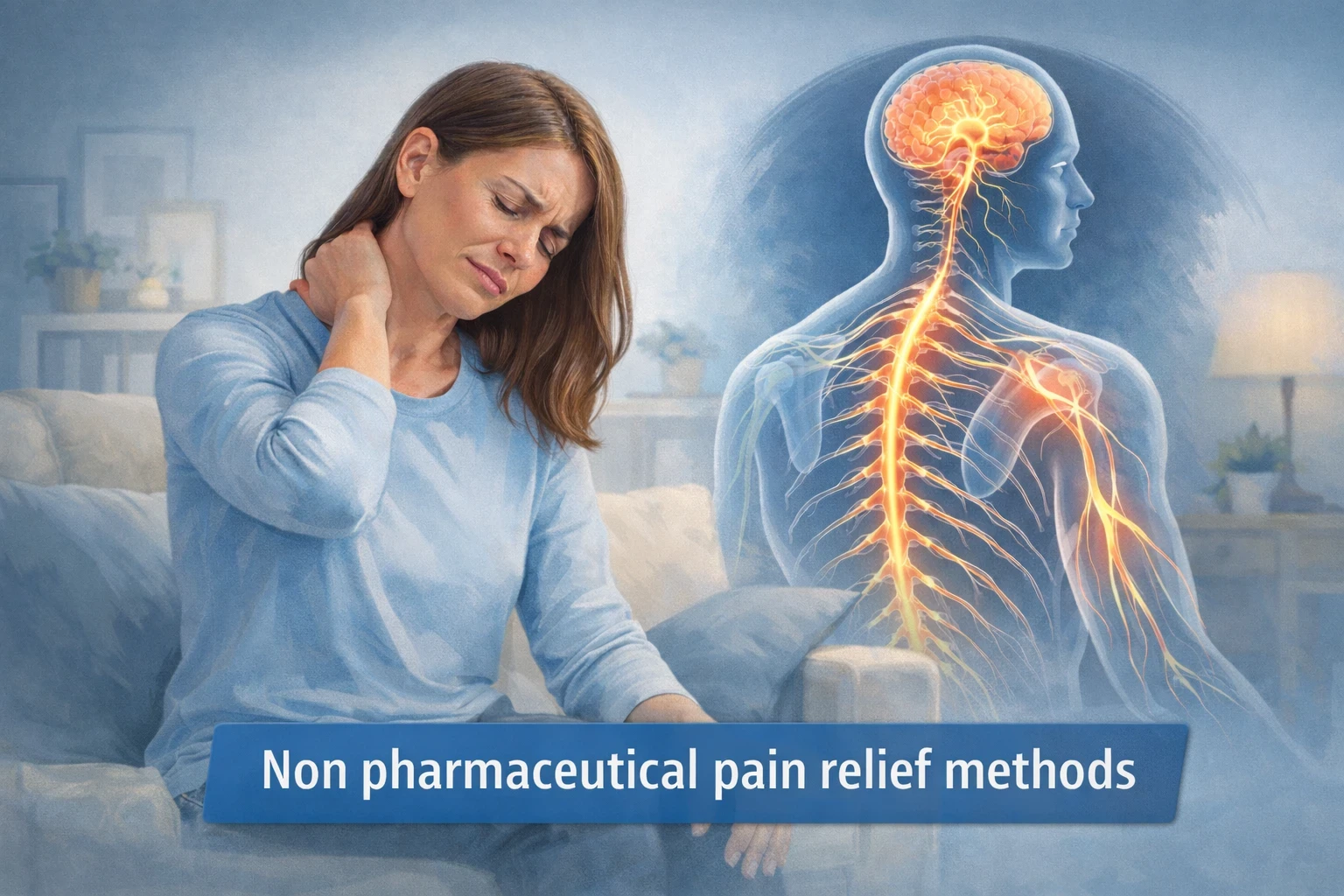
Pain is not only a signal from injured tissue. It is shaped by the nervous system, stress levels, sleep quality, movement habits, and past experiences.
This is why non pharmaceutical approaches can play a meaningful role in long-term pain management.
Understanding Pain Beyond Medication
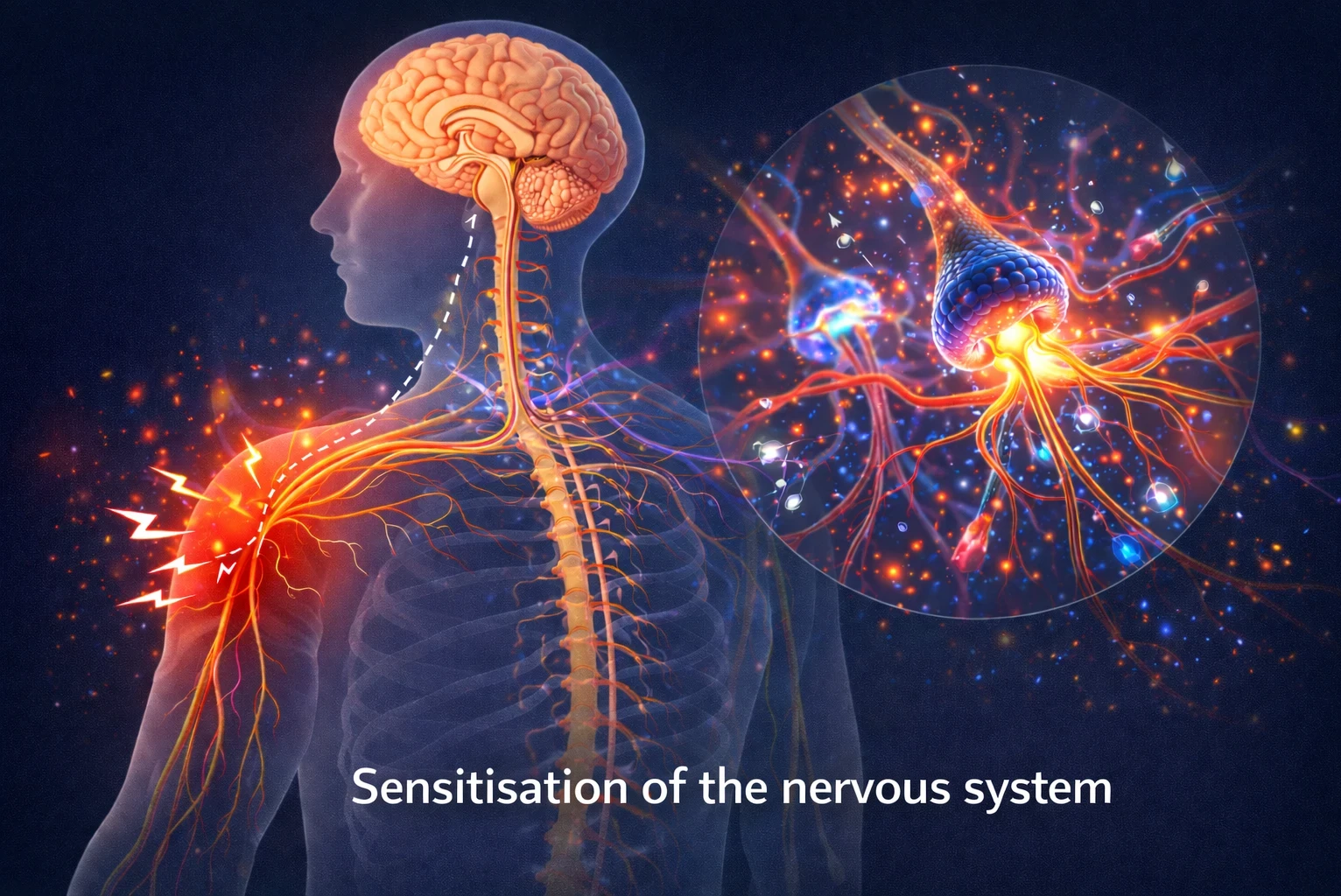
Pain is influenced by how sensitive the nervous system becomes over time.
When pain lasts longer than expected, the system can stay in a heightened state of protection.
Learning why pain persists is often the first step. Many people find it helpful to understand how nerve sensitivity develops and why pain can continue even after tissues have healed.
You can explore this further here:
https://beyond-pain-relief.com/why-nerve-pain-occurs/
Non pharmaceutical pain relief methods aim to calm sensitivity, restore confidence in movement, and improve overall regulation rather than suppressing signals.
Gentle Movement and Physical Re-Engagement
Avoiding movement can increase pain sensitivity. Gentle, regular activity helps the nervous system relearn that movement is safe.
Helpful approaches include:
Walking at a comfortable pace
Light stretching or mobility work
Swimming or water-based movement
Gradual return to daily activities
Movement is good but not too intense, at your own pace is best and effective.
The goal is consistency, not pushing through pain. Over time, this can reduce fear, stiffness, and protective tension.
Supporting the Nervous System
Non pharmaceutical pain relief methods often focus on calming the nervous system rather than chasing pain relief directly.
Supportive strategies include:
1.Slow breathing exercises
2.Mindfulness or body awareness practices
3.Gentle relaxation techniques
4.Reducing constant stress input
Stress and pain amplify each other. When the nervous system feels safer, pain intensity often reduces naturally.
Sleep Quality and Pain Regulation
Poor sleep increases pain sensitivity. Pain also disrupts sleep, creating a difficult cycle.
1.Small changes that often help:
2.Keeping consistent sleep and wake times
3.Reducing screen use before bed
4.Creating a dark, quiet sleep environment
5.Gentle wind-down routines
Improving sleep does not require perfection. Even small improvements can support pain recovery.
Topical and Sensory Support Options
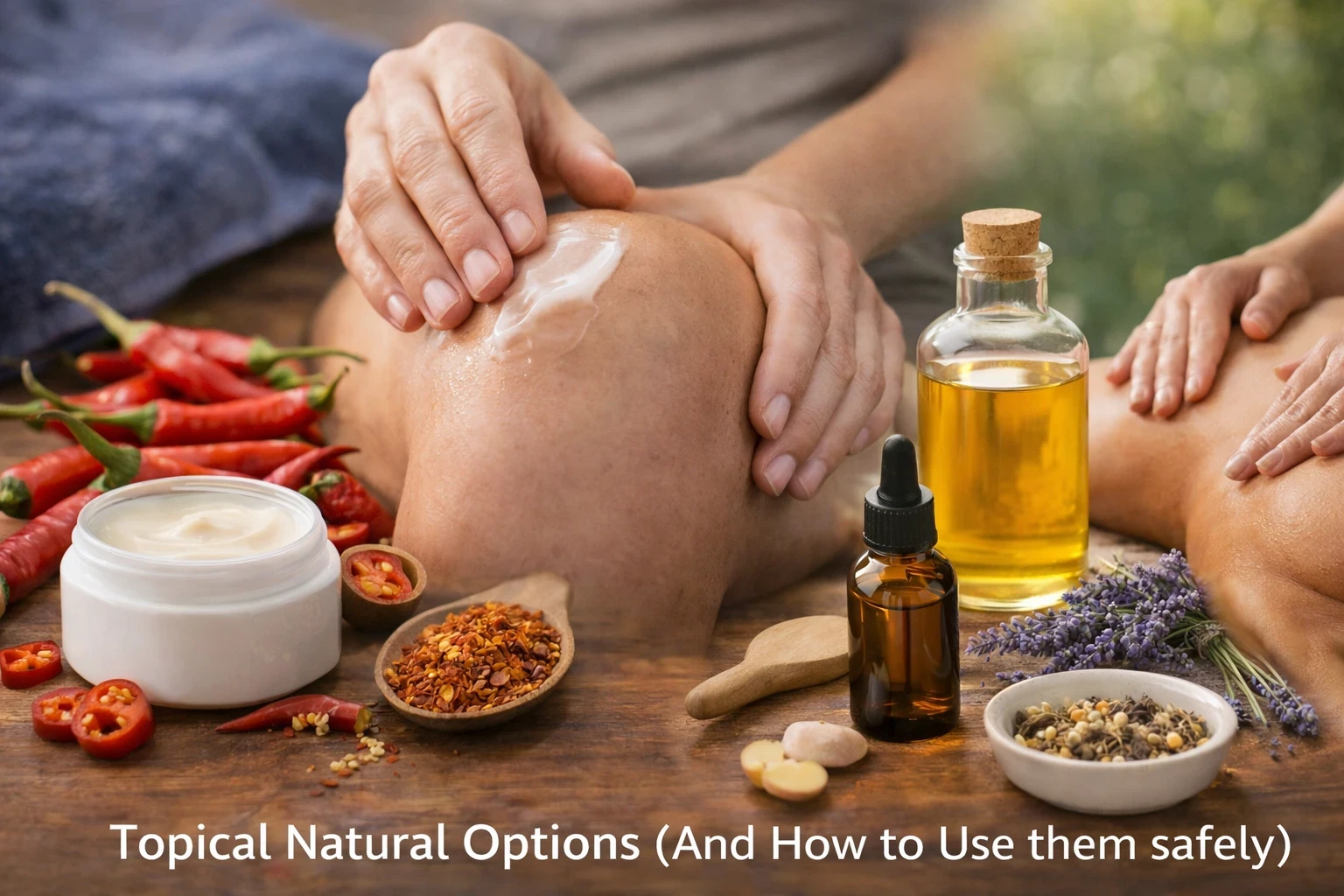
Some people benefit from topical options such as heat creams, magnesium sprays, or gentle massage oils, which can provide sensory input that helps calm pain signals locally.
These do not treat the cause of pain but may support comfort when used safely and consistently.
Heat, cold, and light pressure can influence how pain signals are processed by the nervous system.
Education and Pain Reassurance
Understanding pain reduces fear. Fear increases pain.
Learning that pain does not always equal damage can be empowering.
Educational approaches help people reconnect with movement and daily life with less anxiety.
You may find this helpful when exploring broader chronic pain treatment options:
https://beyond-pain-relief.com/chronic-pain-treatment-options/
Knowledge itself can be a powerful non pharmaceutical pain relief method.
Lifestyle Factors That Influence Pain
Pain is affected by everyday inputs more than most people realise.
Key lifestyle areas include:
1.Stress load
2.Activity balance
3.Nutrition patterns
4.Emotional wellbeing
No single lifestyle change fixes pain. Combined, they often create meaningful improvement.
Why Non Pharmaceutical Pain Relief Methods Work Best Together
Non pharmaceutical pain relief methods are rarely effective in isolation.
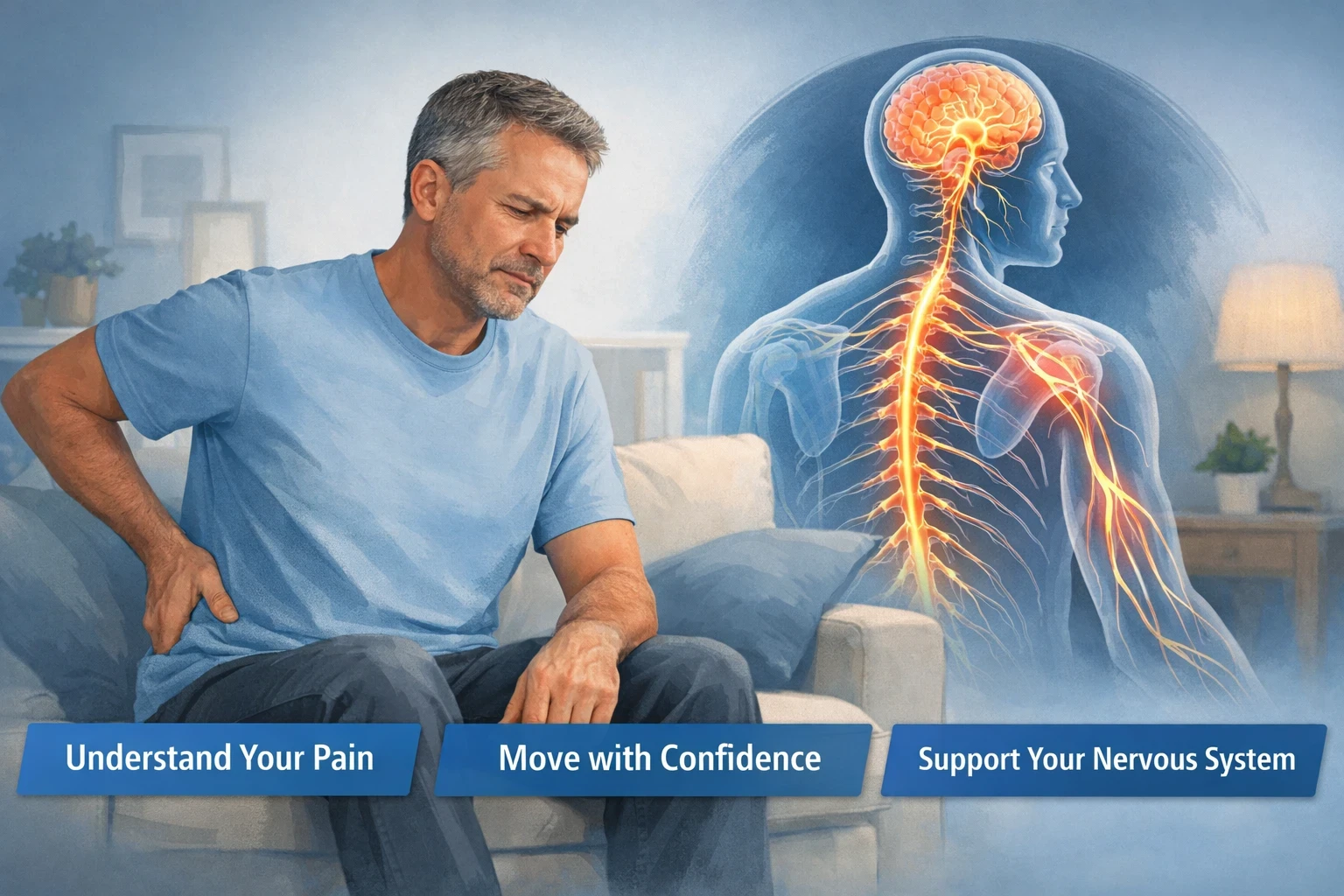
Movement, sleep, education, nervous system support, and lifestyle changes work best when combined.
This approach respects the complexity of pain rather than fighting it.
Pain relief becomes less about eliminating symptoms and more about building resilience, confidence, and safety in the body.
Important Note
Non pharmaceutical pain relief methods are supportive approaches, not medical treatments.
Persistent or worsening pain should always be discussed with a qualified healthcare professional.
Scientific Research Supporting Non Pharmaceutical Pain Relief Methods
1.https://www.cochranelibrary.com/cdsr/doi/10.1002/14651858.CD011279.pub3/full
