Pain Relief Without Medications A Practical Science Led Guide
Pain Relief Without Medications
Many people are actively searching for pain relief without medications because prescription or over-the-counter drugs may cause side effects, lose effectiveness over time, or simply feel like they are masking symptoms rather than addressing the bigger picture.
Pain can affect sleep, mood, confidence, and daily function, making non-drug options an important part of long-term self-management.
This article outlines evidence-informed, practical approaches that focus on calming pain sensitivity, supporting the nervous system, and improving quality of life without relying on medication.
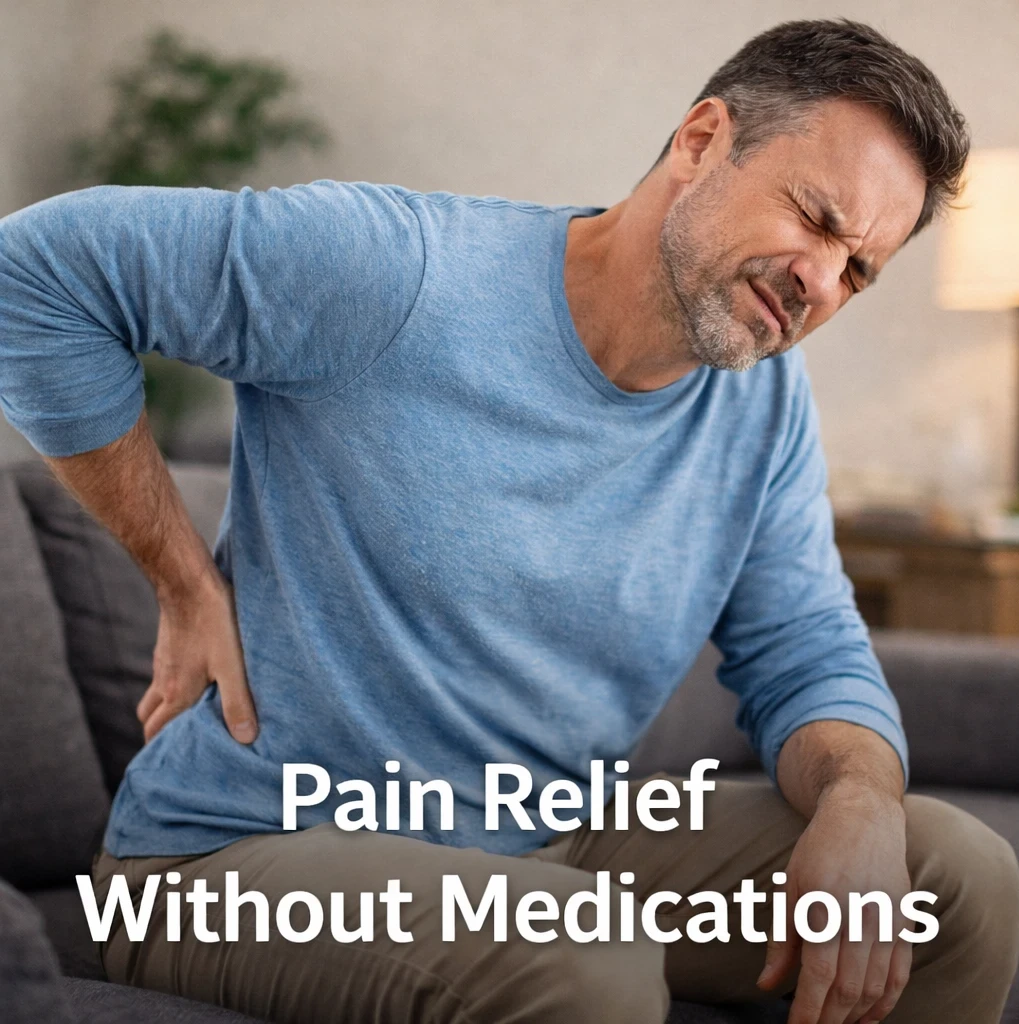
Understanding pain beyond injury
Pain is not always a direct sign of tissue damage. In many chronic or persistent pain conditions, the nervous system becomes more sensitive and protective.
Stress, poor sleep, fear of movement, and previous pain experiences can amplify signals, even when tissues are not being harmed.
This does not mean pain is imagined. It means the body’s alarm system has become more alert.
When pain feels less threatening, people often move more freely, avoid fewer activities, and experience fewer flare-ups.
A deeper explanation of this concept can be found here:
https://beyond-pain-relief.com/why-pain-exists-even-when-nothing-is-wrong/
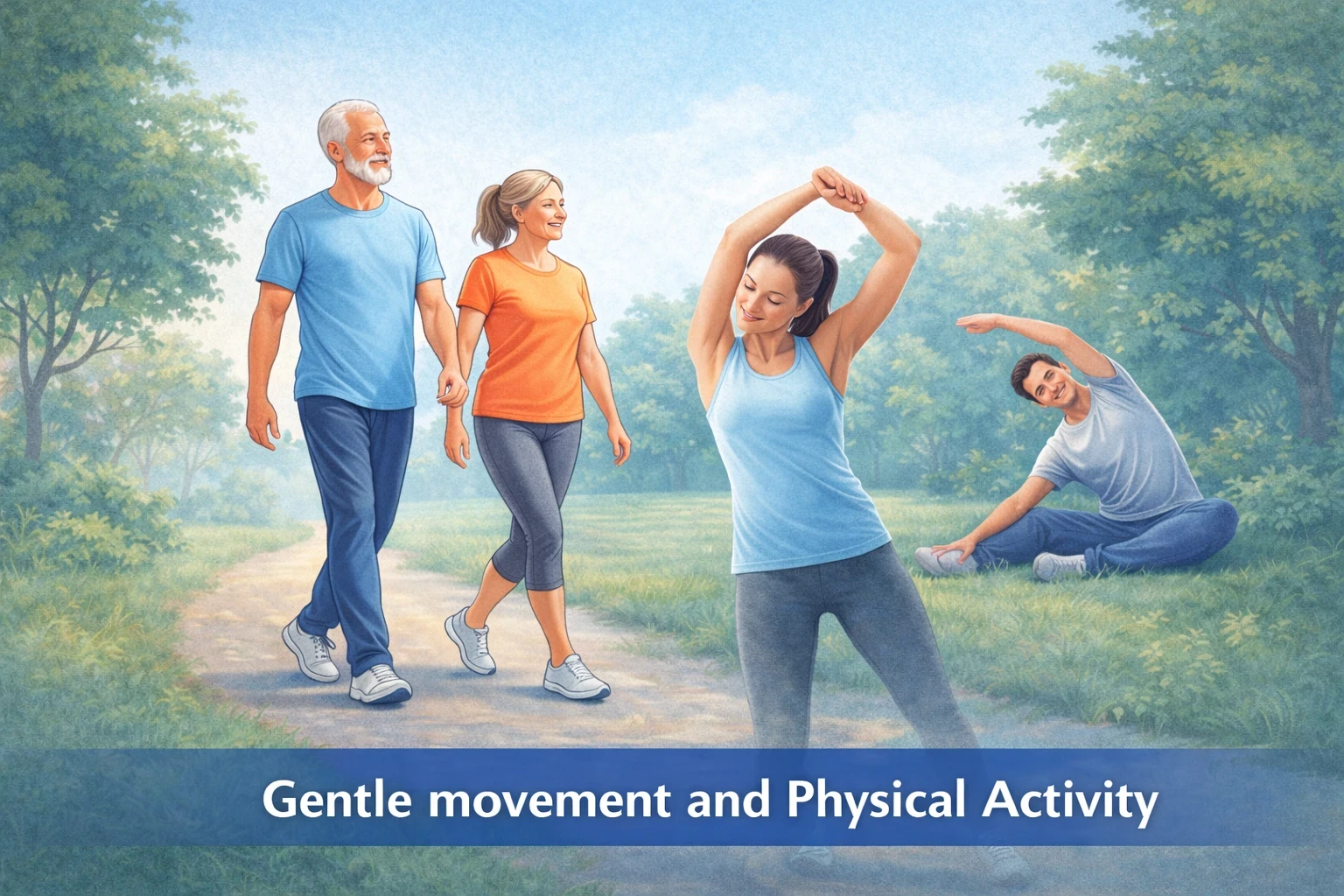
Gentle movement as a cornerstone
One of the most consistently supported approaches for pain relief without medications is gentle, regular movement.
The goal is not to push through pain or force exercise, but to show the nervous system that movement can be safe again.
Helpful movement strategies include:
- short daily walks
- light mobility exercises
- low-load strength work
- swimming or water-based movement
- frequent posture changes throughout the day
Consistency is more important than intensity. Even small amounts of daily movement can help reduce stiffness, fear, and sensitivity over time.
More detail on this approach is available here:
https://beyond-pain-relief.com/movement-load-and-pain-sensitivity/
Load management and pacing
Pain often flares not because of injury, but because of sudden increases in physical or mental load.
Doing too much on a “good day” can lead to days of increased symptoms afterward.
Load management focuses on spreading activity more evenly and avoiding extremes. Practical pacing strategies include:
- breaking tasks into shorter sessions
- alternating between sitting, standing, and walking
- planning rest before pain escalates
- avoiding long periods of inactivity followed by intense effort
This approach helps people stay active without triggering prolonged flare-ups.
Calming the nervous system
The nervous system plays a central role in pain perception.
When stress levels are high, pain sensitivity often increases.
Calming strategies can help lower baseline sensitivity and improve overall comfort.
Common nervous-system-supporting practices include:
- slow, controlled breathing
- short relaxation or body-scan sessions
- mindfulness or attention-shifting techniques
- reducing constant monitoring of pain sensations
These techniques work best when used consistently rather than only during severe pain.
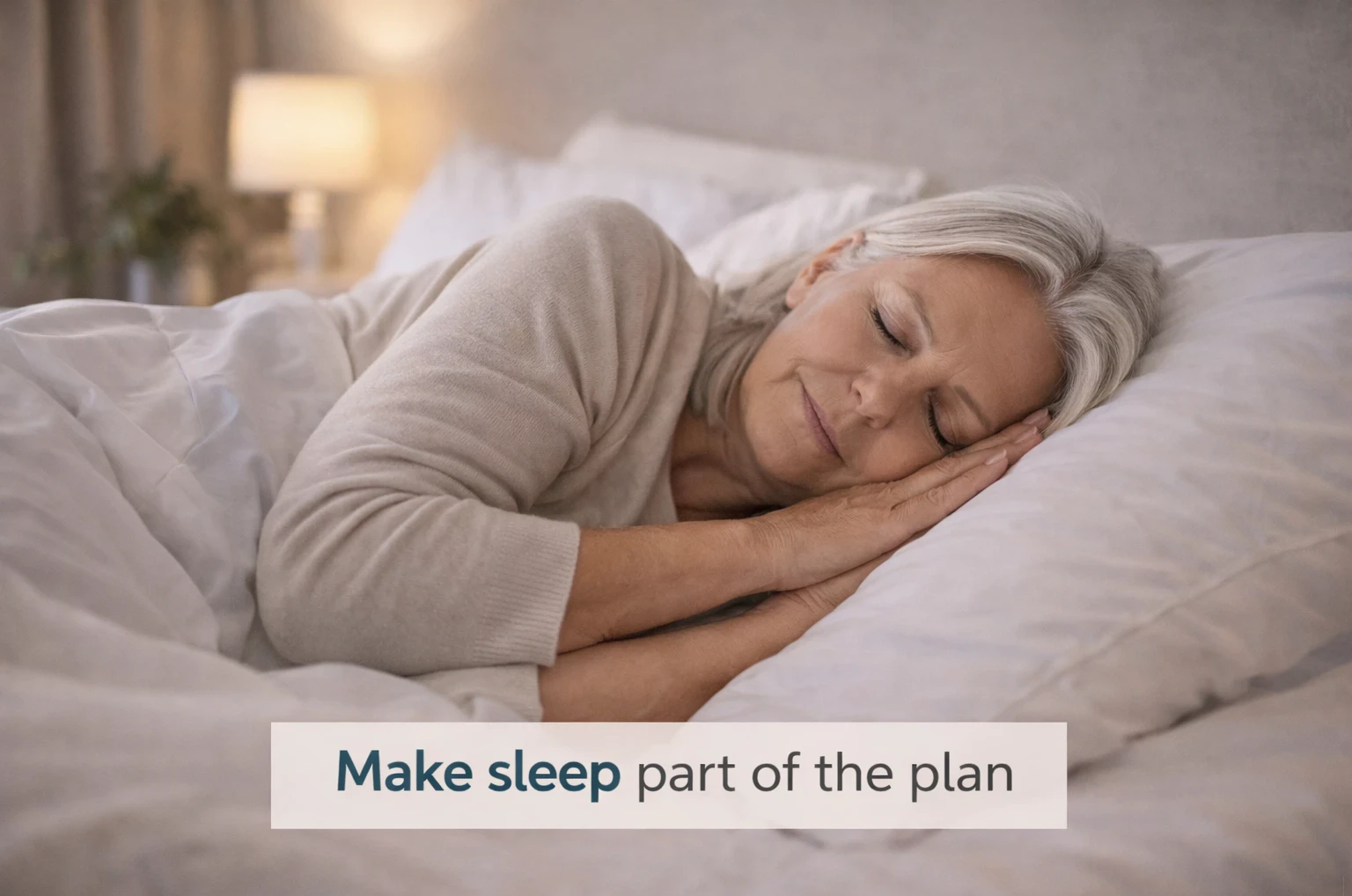
Sleep support and pain
Sleep and pain strongly influence each other. Poor sleep increases pain sensitivity, while pain disrupts sleep quality.
Improving sleep habits is therefore a key component of non-drug pain relief.
Supportive sleep strategies include:
- maintaining consistent sleep and wake times
- reducing screen use before bed
- keeping the bedroom dark and cool
- using comfortable pillows or positioning
Even small improvements in sleep quality can lead to noticeable changes in pain levels and daytime resilience.
Practical comfort-based supports
External supports can help manage symptoms and make daily activities more comfortable.
While these tools do not address underlying causes on their own, they can reduce barriers to movement and rest.
Examples include self-help tools, heat cushions, supports, and similar comfort-based options that may help ease stiffness or muscle guarding for some people:
Have a look at what’s available on Amazon.
These approaches are best viewed as supportive aids rather than long-term solutions.
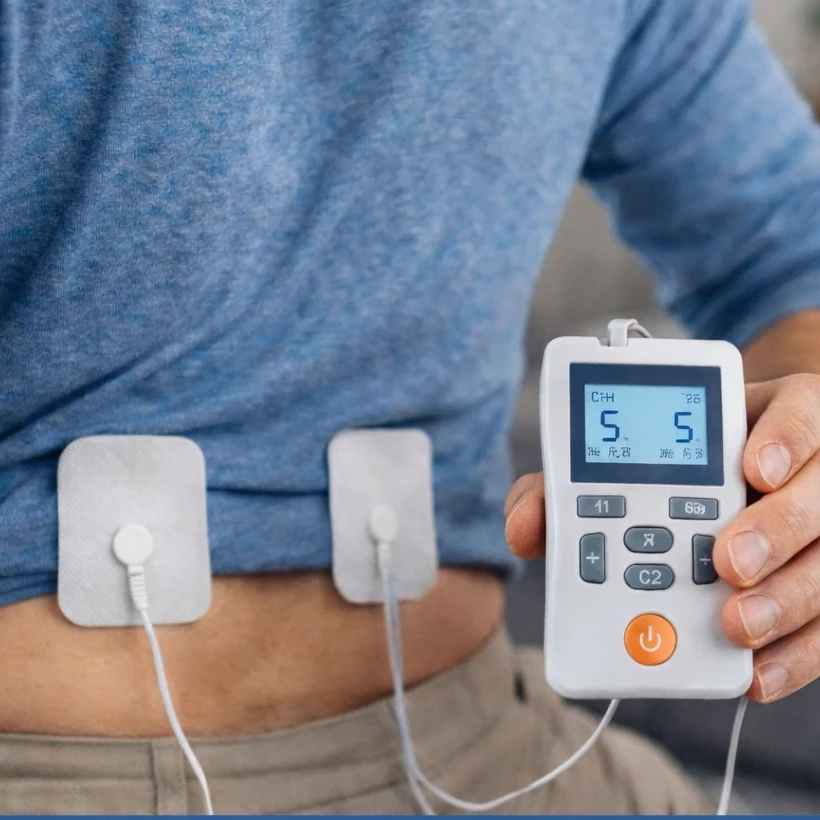
Electrical nerve stimulation as a supportive option
Some people also find benefit from TENS as a non-drug pain-management tool. This approach delivers mild electrical stimulation through the skin, which may help reduce pain perception for certain individuals.
It is generally considered a self-management aid that may help during flare-ups or make movement and sleep more tolerable.
Results vary between individuals, and it is typically most effective when combined with other strategies rather than used alone.
Education and confidence building
Understanding how pain works can reduce fear and avoidance.
When pain is no longer automatically interpreted as harm, people often regain confidence in movement and daily activity.
Education is most effective when paired with gradual exposure to movement and practical self-management strategies.
A broader framework for this approach can be explored here:
https://beyond-pain-relief.com/pain-relief-for-chronic-conditions-a-science-led-self-directed-approach/

Creating a simple non-medication plan
Rather than trying many approaches at once, it is often more effective to select a small number and apply them consistently for several weeks.
An example plan might include:
- daily short walk
- brief mobility routine
- evening relaxation or breathing practice
- one comfort-based support if needed
Progress should be measured by improvements in function, confidence, and sleep — not just pain intensity.
Additional structured options are outlined here:
https://beyond-pain-relief.com/chronic-pain-treatment-options/
When medical assessment is important
While pain relief without medications can be effective for many people, medical advice should be sought if pain is accompanied by:
- unexplained weakness or numbness
- changes in bladder or bowel function
- unexplained fever, weight loss, or night sweats
- recent trauma or suspected infection
Non-drug strategies should complement, not replace, appropriate medical evaluation when needed.
Key takeaway
Pain relief without medications is rarely achieved through a single technique.
It is usually the result of combining gentle movement, pacing, nervous-system calming, sleep support, education, and practical symptom-relief tools.
Progress is often gradual, but many people experience meaningful improvements by staying consistent and realistic.
Scientific studies
https://www.cochrane.org/evidence/CD009790_exercise-treatment-chronic-low-back-pain
https://www.frontiersin.org/journals/neuroscience/articles/10.3389/fnins.2023.1272068/full
