Beyond Pain Relief Helps You Understand Pain
Beyond Pain Relief
Beyond Pain Relief helps you understand pain in a clear, practical, and human way. Whether you are dealing with ongoing discomfort, stiffness, nerve symptoms, joint problems, or pain that keeps returning, the goal is to help you make better decisions about your body and your daily routine.
Pain is not always simple. Sometimes it comes from muscles, joints, nerves, inflammation, posture, stress, poor sleep, or a mixture of several factors. That is why this website focuses on education first, with practical guides on natural pain relief, supportive therapies, movement, recovery, and carefully chosen product options.
Start With Our Main Pain Guides
These pillar guides are the best place to begin. Each one gives you a clear overview of a major pain topic, with links to more detailed supporting articles.
Understand Chronic and Ongoing Pain
Long-term pain can affect movement, sleep, mood, confidence, and everyday life. It may continue even when the original injury has settled, especially when the nervous system becomes more sensitive over time.
Start with our guide to chronic pain if your symptoms have lasted for weeks or months, keep flaring up, or feel difficult to explain.
Explore Pain by Body Area
If your pain is mainly in one area, choose the guide that matches your symptoms best. These pages explain common causes, warning signs, daily habits, and practical relief options.
Learn About Nerve Pain and Sensitivity
Nerve-related pain can feel sharp, burning, tingling, electric, or difficult to predict. It often behaves differently from muscle or joint pain, which is why understanding the nervous system matters.
Read our full guide to nerve pain to learn why symptoms happen, how sensitivity develops, and which approaches may help calm the system over time.
Find Practical Pain Relief Options
Pain relief is usually most effective when several small steps work together. Movement, sleep, heat, recovery, stress reduction, supportive products, and professional advice can all play a part.
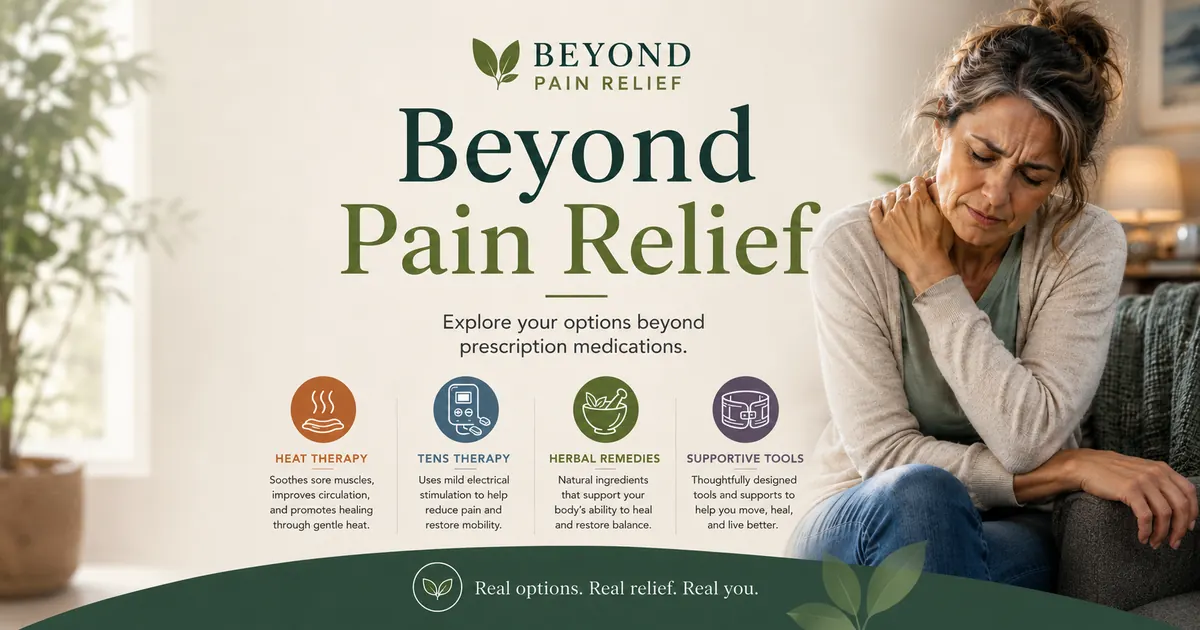
Beyond Pain Relief is built to help you compare options without feeling overwhelmed. You will find guides on natural pain support, heat therapy, TENS therapy, CBD, joint support, foot care, and long-term pain management.
Our Approach
We do not believe pain relief should be confusing, rushed, or based only on quick fixes. The aim is to help you understand what may be happening in your body, what options are available, and how to build a realistic routine that supports better comfort over time.
Use the guides above as your starting point, then explore the related articles inside each topic for more focused advice.