Pain Relief Techniques For Anxiety Practical Ways To Calm The Body And Mind
Pain Relief Techniques for Anxiety:
Pain relief techniques for anxiety can help reduce physical tension, calm the nervous system, and improve emotional well-being from the very first step.
Anxiety often shows up in the body as tight muscles, headaches, jaw pain, back discomfort, or digestive tension.
When stress and worry persist, the nervous system remains on high alert, making both anxiety and pain feel harder to manage.
Understanding how pain and anxiety interact allows you to choose techniques that support both at the same time.
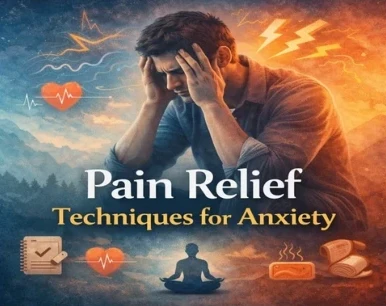
The Link Between Anxiety and Physical Pain
Anxiety does not exist only in the mind. It activates the nervous system, increasing muscle tension, breathing rate, and pain sensitivity. Over time, this heightened state can amplify aches and discomfort even without injury.
Learning how pain works can help reduce fear around symptoms and break the stress–pain cycle. If you want a deeper explanation, start here: Beyond Pain Relief (Homepage)
Gentle Pain Relief Techniques for Anxiety That Actually Help
Not all techniques work for everyone, but consistent, low-pressure strategies tend to calm both pain and anxiety over time.
Breathing Techniques to Reduce Tension
Slow, controlled breathing is one of the most effective pain relief techniques for anxiety. It directly signals safety to the nervous system.
Helpful approaches include:
- Slow nasal breathing
- Longer exhales than inhales
- Brief pauses after exhaling
Even two to three minutes can reduce muscle tension and pain intensity.

Gentle Movement to Reassure the Nervous System
When anxiety is high, people often avoid movement out of fear of making pain worse. However, gentle, predictable movement can reduce both anxiety and physical discomfort.
Examples include:
- Short walks
- Light stretching
- Slow mobility exercises
This approach works best when movement is calm and non-competitive. If pain and emotions are feeding into each other, this guide is a strong next step: How to Manage Pain and Emotional Well-being
Reducing Muscle Guarding
Anxiety often causes unconscious muscle tightening, especially in the neck, shoulders, jaw, and lower back. One of the most overlooked pain relief techniques for anxiety is learning to release this guarding.
Helpful strategies:
- Progressive muscle relaxation
- Heat applied to tense areas
- Gentle posture changes
Reducing muscle guarding lowers physical stress signals sent to the brain.
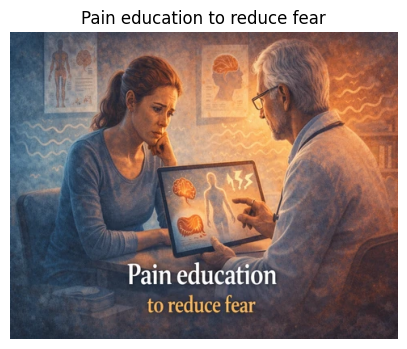
Pain Education to Reduce Fear
Fear increases pain sensitivity. When people understand that pain does not always signal damage, anxiety often decreases.
Pain education helps:
- Reduce catastrophic thinking
- Improve confidence in movement
- Lower nervous system reactivity
If you want a practical, supportive approach to day-to-day coping, this page expands the foundation: How to Cope With Chronic Pain
Improving Sleep to Support Recovery
Poor sleep increases both anxiety and pain sensitivity. Simple sleep-supporting habits can improve outcomes over time.
Helpful steps include:
- Consistent sleep and wake times
- Reduced screen exposure before bed
- Relaxation routines in the evening
Better sleep makes other pain relief techniques for anxiety more effective.
Emotional Support and Self-Compassion Matter
Living with anxiety and pain can be frustrating and exhausting. Self-criticism and pressure to “push through” often worsen symptoms.
Supportive approaches include:
- Talking openly with trusted people
- Seeking professional guidance when needed
- Practicing self-compassion during flare-ups
Reducing emotional strain helps calm the body and reduces pain intensity.
A Realistic Approach to Progress
Pain relief techniques for anxiety are not about eliminating anxiety completely. They aim to reduce intensity, improve coping, and restore confidence in daily life.
Progress may be gradual, with good days and harder days. Consistency matters more than perfection.
Final Thoughts
Anxiety and pain are closely linked through the nervous system. By using calm, supportive pain relief techniques for anxiety, it is possible to reduce physical discomfort, ease emotional tension, and regain a sense of control.
Small changes practiced regularly can create meaningful improvement over time.
Scientific Studies
https://pubmed.ncbi.nlm.nih.gov/33676867/
https://pubmed.ncbi.nlm.nih.gov/37918470/